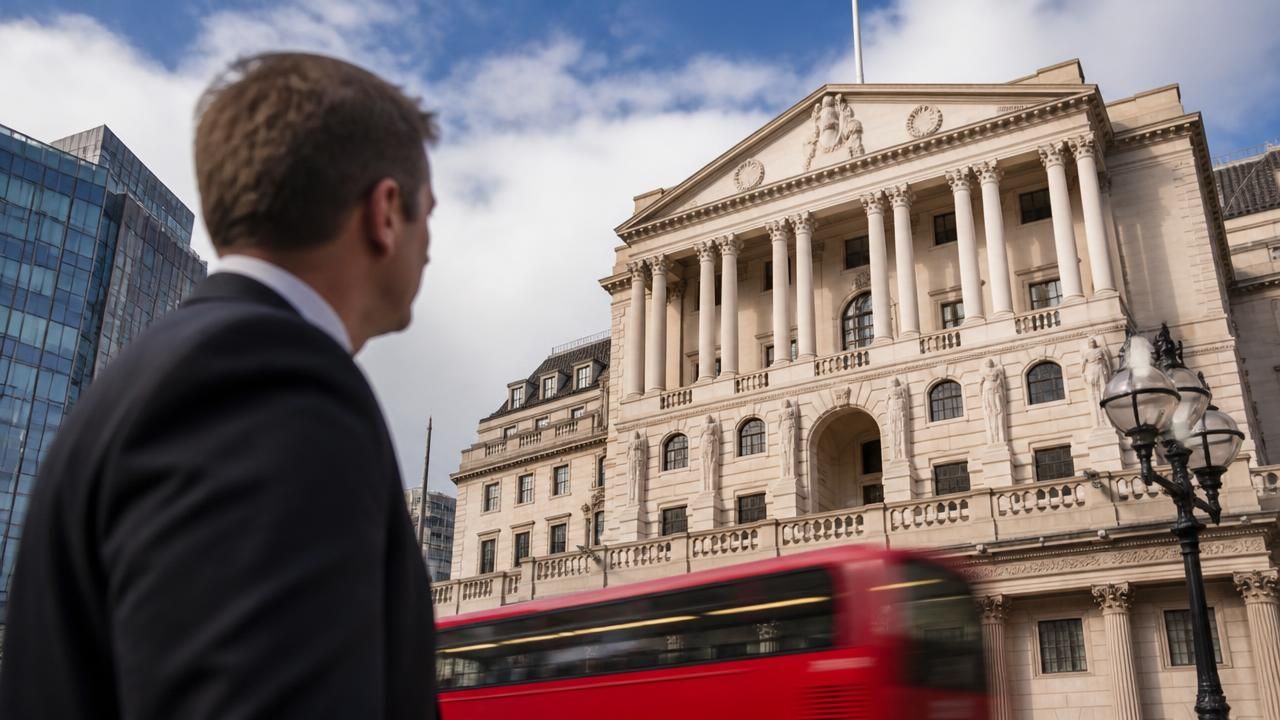
The Bank of England is poised to raise interest rates by a quarter point to 4%, according to market previews, in what would be its first increase in more than three years. The decision is being framed by investors as a pivotal moment for the UK economy: inflation has jumped, an energy shock has worsened, and households are bracing for higher mortgage costs.
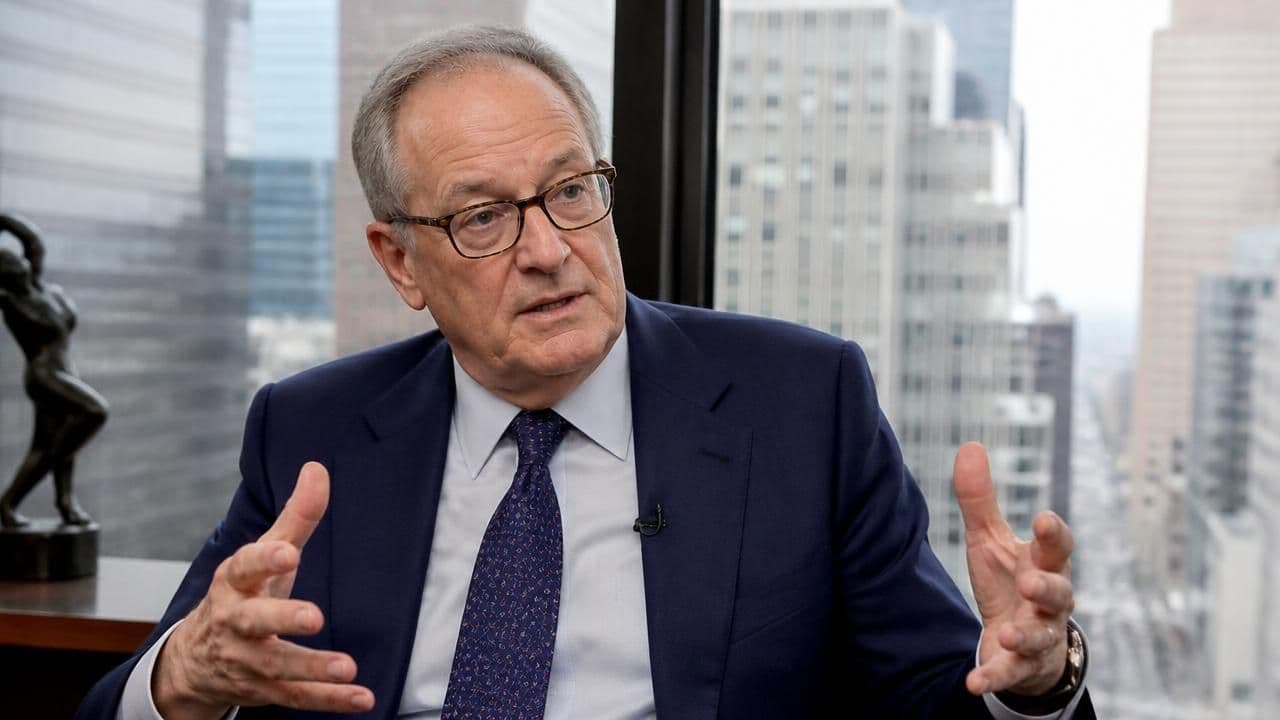
Bloomberg Markets reported that the Bank looks ready to lift its key rate to 4%, with Bloomberg Economics’ Ana Andrade previewing the decision. Syndicated versions of the story across MSN and Yahoo Finance carried the same core message, while IG described the first hike in three years as “all but certain.” Some coverage described the move as the first rise since 2023, while others called it the first in over three years. The broad expectation is that the Monetary Policy Committee will move at its latest meeting, though the Bank may simultaneously try to temper bets on a rapid series of further increases.
Why now: inflation, energy and geopolitics
The case for tightening rests on an inflation backdrop that has deteriorated sharply. MSN versions of the story said the Bank was set to raise rates “as inflation jumps,” while Seeking Alpha warned that the Bank of England was set for its first rate hike as an energy shock worsens. The Economic Times went further, linking the move to the Iran war, which it said is fuelling inflation.
That combination—higher energy costs, geopolitical risk and persistent price pressures—helps explain why the Bank is expected to act even as the UK economy faces a weak growth outlook. Car Dealer Magazine’s morning digest listed the rate hike alongside other market-moving headlines, a reminder that the decision is being watched well beyond Threadneedle Street. For investors, the question is less whether the Bank moves than how forcefully it signals what comes next.
The Bank of England looks ready to raise interest rates by a quarter point to 4%, its first hike in more than three years. — Bloomberg Markets
Markets search for signals as the City weighs the path ahead
City analysts are searching for signals about the pace of future tightening, according to MSN’s “City searching for signals” framing. A separate MSN report said the Bank was poised to raise rates but may push back on bets for more. That nuance matters: a hike to 4% would be hawkish in isolation, but if policymakers sound cautious about further moves, markets could read the decision as a “one-and-done” or “wait-and-see” increase rather than the start of a long cycle.
IG’s preview captured the tension. It called the first rate hike in three years “all but certain,” yet the surrounding coverage suggests the Bank will want to avoid promising a pre-set path. The Economic Times headline emphasised the Iran war and inflation, while Seeking Alpha focused on the energy shock. Those angles point to the same underlying problem: the UK is importing inflation through energy and geopolitics, and the Bank must decide how much of that pressure to fight with higher borrowing costs.
Mortgage holders and businesses brace for impact
For millions of households, the immediate consequence is likely to be higher mortgage costs. MSN reported that millions are set for higher mortgage costs next year, and the Express framed the expected hike as a “fresh blow to millions.” That consumer-focused coverage reflects how quickly a quarter-point move can feed through to variable-rate mortgages, remortgaging decisions and household budgets already squeezed by energy bills.
Businesses, meanwhile, are sending mixed signals. One MSN headline said the Bank was set for “further interest rate hikes” as businesses boost jobs, suggesting a labour market that may still be too tight for comfort. But other coverage highlights the risk that higher rates could dampen investment just as the economy confronts an energy shock. The Bank’s challenge is to weigh those competing pressures without appearing either complacent on inflation or indifferent to growth.
How different outlets frame the story
The coverage illustrates how a single central-bank decision can be told through different lenses. Bloomberg and IG emphasise market expectations and the near-certainty of a hike. MSN and Express lead with consumer pain, especially mortgages. Seeking Alpha and The Economic Times stress the energy shock and the Iran war as inflation drivers. Car Dealer Magazine treats the decision as part of a broader morning news roundup, alongside corporate and political headlines.
Those frames are not contradictory so much as complementary. A rate hike is simultaneously a monetary-policy event, a household-finance story and a geopolitical symptom. The Bank is responding to inflation, but the inflation itself is being driven by forces—energy markets and conflict—that are outside its direct control. That helps explain why the Bank may raise rates while pushing back on expectations for much more.
What to watch
The key questions are whether the Bank delivers the quarter-point move to 4%, how the Monetary Policy Committee votes, and what language accompanies the decision. If the Bank signals that further hikes are likely, sterling could rise and rate-sensitive sectors could come under pressure. If it emphasises uncertainty and data-dependence, markets may conclude that the first hike in more than three years is also the last for now.
For borrowers, the practical message is to prepare for higher costs regardless of the precise guidance. For investors, the focus will be on the gap between the Bank’s action and its rhetoric. And for the wider public, the decision will be felt in mortgage payments and business confidence long after the press conference ends.