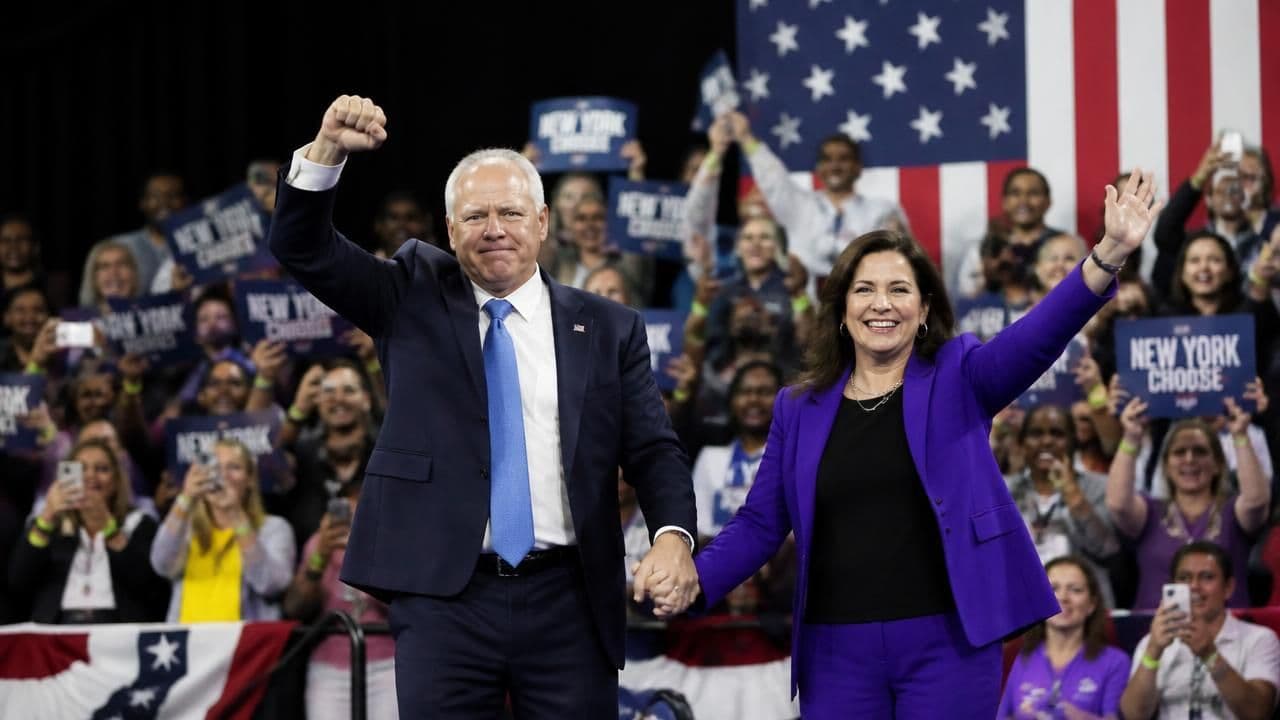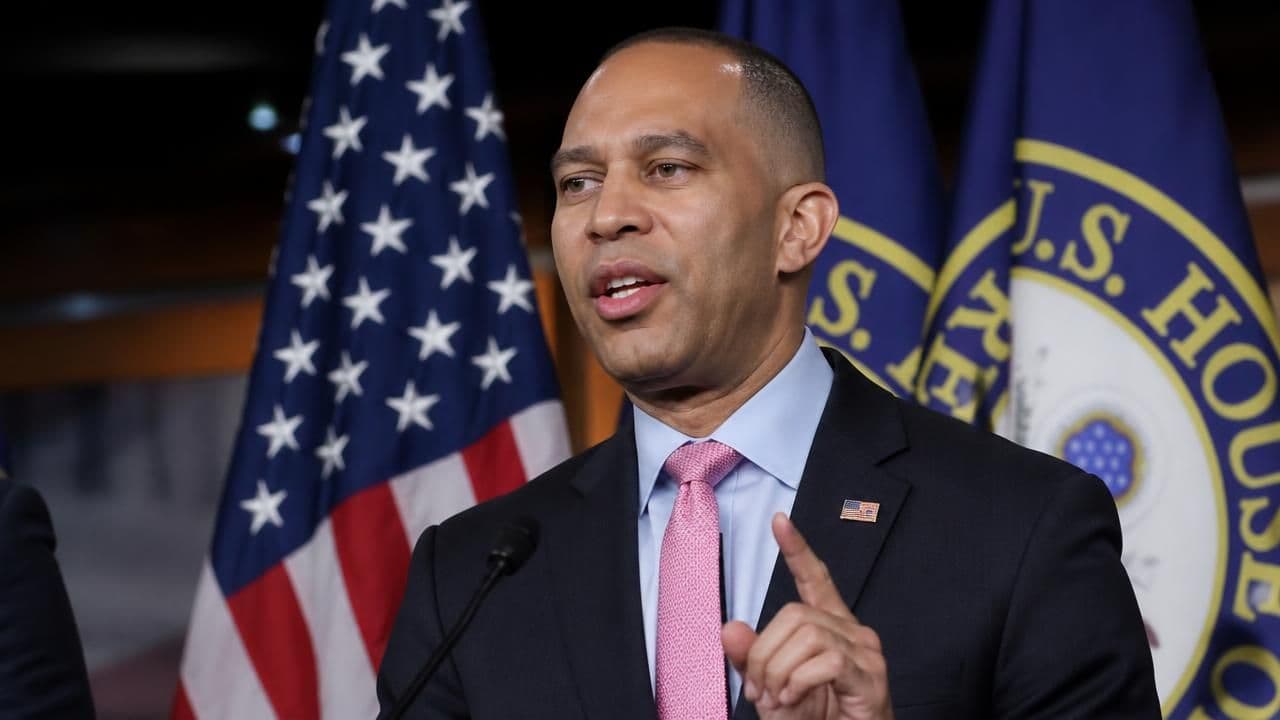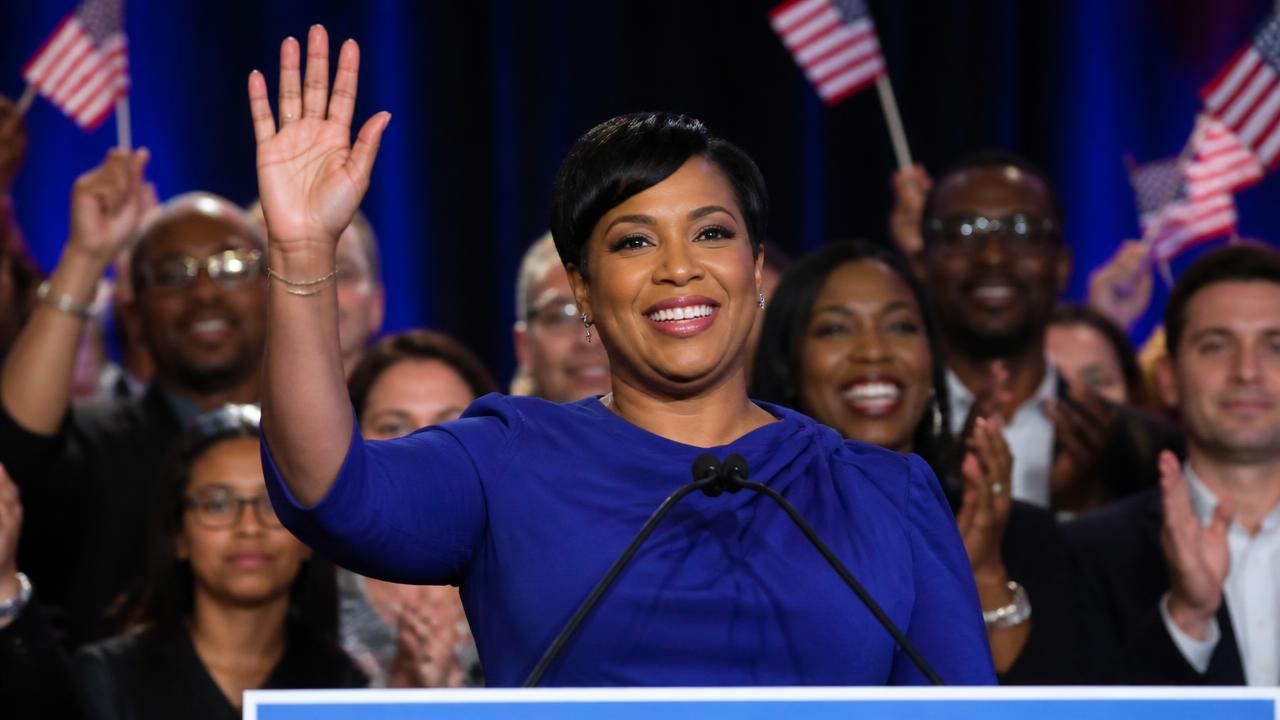
Voters delivered a sweeping rebuke to President Donald Trump on Tuesday, handing Democrats control of both chambers of Congress and electing a slate of candidates whose victories broke barriers that had stood for the entire history of the republic. By Wednesday morning, the contours of a decisive Democratic wave had come into focus: a House majority, a Senate majority with two races still outstanding, and at least nine newly elected governors who made history — including the nation's first Black woman governor and its first Native American woman governor.
A wave that reached both chambers
NBC News characterized the night as a moment when "voters deliver a rebuke to Trump as Democrats net major wins," while CBS News reported that Democrats had won control of the Senate with only two races left to call. NJ.com confirmed the party had secured the House, "cementing control over Congress." BKReader, a local Brooklyn outlet, put the national story in its most direct form: "Democrats Make History, Take Control of Congress."
Overseas coverage was blunter still. The Economic Times of India ran a live headline declaring that "Trump accepts defeat as blue tsunami sweeps both Houses of Congress," a framing echoed across international business press that had spent the preceding weeks pricing in the consequences of divided government. Times Now, meanwhile, reported that the president had softened his tone after the Democratic sweep, telling reporters he wanted to work with Democrats.
"Trump Softens Tone After Democratic Sweep, Says Wants to Work With Democrats" — Times Now, live election coverage
The historic firsts
The most consequential down-ballot story of the night was the governorship. NPR counted nine candidates for governor who made history, and AP projected that Georgia Democrat Keisha Lance Bottoms had become "the 1st Black woman ever elected governor" in the United States. The result carries particular weight in a state that has been the epicenter of the fight over voting access and representation for more than a decade.
At the same time, voters elected the nation's first Native American woman governor, a milestone that national outlets grouped alongside Bottoms's win on Wednesday's front pages. CNBC TV18 summarized the night's ledger as "First Black woman governor, gay senator and more make history," confirming that an openly gay candidate had won a Senate seat for the first time.
Eurweb reported that Black governors had been elected in Georgia, Florida and Wisconsin, a geographic spread that reaches well beyond the Deep South and into the industrial Midwest. In Ohio, the Lantern reported that Democrat Amy Acton had been elected governor — another flip in a state that has trended Republican for a decade.
Texas falls, and other statehouse results
Perhaps the most striking state-level result was Texas, which Democrats flipped in the governor's race, according to Eurweb's tally. Combined with wins in Ohio, Wisconsin and Florida, the night amounted to a restructuring of the national governors' map in a single cycle.
Further down the ballot, states ran the full gamut of local democracy. Alabama voters returned Tommy Tuberville and elected Shomari Figures in statewide races, per AL.com. Oregon and Arizona voters weighed in on governorships and a long list of statewide offices, while Massachusetts' South Shore ballot included a district attorney's race and nine ballot questions — the kind of granular contests that national coverage rarely captures but that determine how policy actually reaches voters.
A long trail, finally arriving
The night did not happen in isolation. The Grio's coverage situated Bottoms's victory within a lineage of Black women who ran for governor and fell short — most prominently Stacey Abrams, whose 2018 and 2022 campaigns in Georgia built the organizing infrastructure and donor networks that later candidates inherited. What was once framed as a symbolic, long-shot bid became, in 2026, a winning one.
MSN and NBC New York both emphasized the plurality of firsts rather than a single breakthrough, noting that the class of 2026 included Latino candidates who could make history in races up and down the ballot. The framing matters: outlets serving Black and Latino audiences treated representation as the headline, while general-market and international outlets led with the balance of power in Washington.
Why it happened — and what comes next
Both framings describe the same wave. Democrats ran on a single national argument and benefited from a midterm environment shaped by the president's approval ratings, turnout among women and voters of color, and a Republican map that had few defenses in suburban districts. The result gave the party control of Congress for the first time since 2024, when Joe Biden's reelection bid had set the terms of the era's political combat.
The immediate question is governance. With two Senate races still uncalled, Democratic leaders will spend the coming days finalizing a narrow but functional majority — enough to confirm judges and pass budget measures, though likely short of the sixty votes needed for most legislation. The president's post-election pivot toward cooperation, reported by Times Now, will be tested quickly.
- Governorships: At least nine history-making winners, including Bottoms in Georgia, Acton in Ohio, and Black governors elected in Georgia, Florida and Wisconsin.
- Senate: Democratic control secured; two races remain outstanding.
- House: Democratic majority confirmed, cementing unified control of Congress.
- Firsts: First Black woman governor, first Native American woman governor, first openly gay senator.
For the candidates themselves, the night closed a chapter that had been written and rewritten for a decade. For the country, it opened one whose central legislative fights — over courts, budgets and the limits of executive power — will now be fought with a Democratic Congress on the other side of the table.