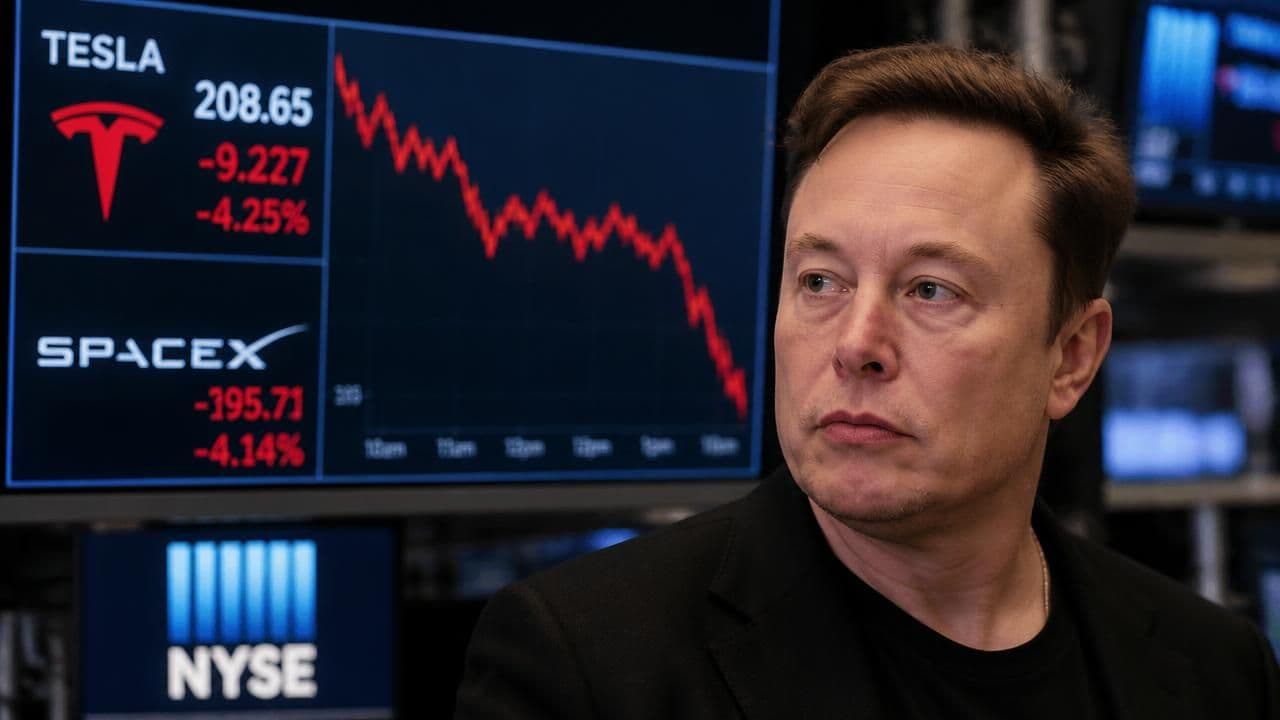
Global renewable-energy stocks surged after Democrats won control of both chambers of Congress in the U.S. midterm elections, a result investors read as a green light for clean-energy policy and a potential shift in the political backdrop for markets. Bloomberg Markets and MarketScreener both described a worldwide rally in renewable shares, while MSN reported that solar stocks advanced as Democratic victories improved the sector’s outlook. The moves were not confined to the United States, reflecting the global reach of American tax credits, subsidies and demand forecasts for solar, wind, storage and electric-vehicle supply chains.
The broader market response was more nuanced. Reuters framed the outcome as investors bracing for gridlock with Trump as Democrats swept Congress, implying a Republican White House and a Democratic legislature would check each other. The New York Times reported that stocks wobbled as Democrats grabbed control of Congress. USA Today said U.S. stock futures rose as investors weighed the midterm sweep, while MSN reported that index futures were steady as Democrats seized Congress. The differing headlines captured the same tension: a Democratic Congress may brighten prospects for clean energy, but it also raises questions about taxes, regulation, spending and the limits of what can actually become law.
“Investors poised for gridlock with Trump as Democrats sweep Congress” — Reuters headline framing
A sector-specific rally, not a uniform market verdict
The clearest market signal came from renewable energy. Solar, wind and other clean-energy shares are unusually sensitive to policy because their economics depend heavily on tax credits, permitting rules, government procurement and long-term demand signals. A Democratic sweep is seen as reducing the risk that existing clean-energy incentives are clawed back and increasing the chance of new support for grids, charging infrastructure and domestic manufacturing. That logic drove buying in solar names and lifted renewable stocks globally, according to Bloomberg and MarketScreener.
Yet the rest of the market did not deliver a single message. The New York Times emphasized wobble, not euphoria. USA Today and MSN highlighted futures moving higher or holding steady, while Investopedia and Yahoo Finance noted that major indexes rose as tech stocks surged and SpaceX stock jumped nearly 8% after earnings. That tech-led strength added a separate risk-on current to the session, showing that investors were not trading only the midterm result. The mixed picture is typical of election reactions: sectors tied to policy move sharply, while broad indexes wait for clearer evidence about taxes, spending and regulation.
Why gridlock matters to Wall Street
The Democratic sweep does not mean automatic passage of a sweeping progressive agenda. With Trump in the White House, a Democratic Congress would create divided government. For investors, that can be both frustrating and comforting. It limits the risk of large tax increases or aggressive regulatory packages that markets might dislike, but it also constrains new spending and makes legislative outcomes slower and more negotiated. Reuters’ gridlock framing captures that calculus: markets often prefer checks and balances because they reduce policy surprises, even when one party’s victory excites specific industries.
MSN’s coverage asked what a Democratic sweep could mean for stocks and noted that history says not much. That is an important caution. Midterm elections rarely reshape long-term market returns on their own; earnings, inflation, interest rates and technology cycles usually matter more. Invezz previewed how a Democratic sweep or a divided Congress could affect Wall Street, underscoring that the market impact depends on the precise composition of power, committee leadership and the feasibility of legislation. A sweep changes expectations immediately. It does not change the legislative calendar overnight.
The policy channels investors are watching
For renewable investors, the key channels are tax credits, permitting reform, transmission and grid investment, electric-vehicle incentives and federal procurement. A Democratic Congress could try to protect or expand clean-energy supports, but implementation would still run through appropriations, agency rulemaking and the courts. The sector’s rally therefore reflects probability, not certainty. If gridlock blocks new legislation, some of the initial enthusiasm could fade; if Democrats use oversight and budget leverage to defend existing climate programs, the sector may retain a policy premium.
- Solar and wind developers benefit from stable tax credits and predictable permitting.
- Battery and storage companies depend on deployment incentives and grid modernization.
- Electric-vehicle and charging firms watch consumer credits, infrastructure spending and emissions rules.
- Traditional energy and financial sectors may weigh higher regulatory risk and tax pressure under a Democratic Congress.
- Broad indexes may focus more on divided-government stability than on sector-specific policy wins.
How the source narratives fit together
The coverage divides into three lenses. Bloomberg and MarketScreener emphasize the global renewable rally, treating the Democratic sweep as a policy catalyst. Reuters stresses gridlock with Trump, focusing on the structural limits of divided government. The New York Times, USA Today and MSN capture the immediate market mood through wobble, rising futures and steady index futures. Investopedia and Yahoo Finance add the same-day tech and SpaceX earnings story, reminding readers that election news competes with company fundamentals for market attention. Invezz supplies the scenario framework, while MSN’s history check supplies the skeptical counterweight.
Taken together, the story is less about a simple Wall Street verdict than about relative winners and losers. Renewable stocks rallied because a Democratic Congress is expected to be friendlier to clean energy. Broad indexes wobbled or steadied because investors also see gridlock, legislative uncertainty and the possibility that campaign promises outrun what Congress can pass. The next tests will be committee assignments, budget negotiations, any move to extend or expand clean-energy tax credits, and whether the Trump White House can use administrative action to offset Democratic priorities. For now, the market’s message is clear but conditional: policy change is being priced, not fully delivered.