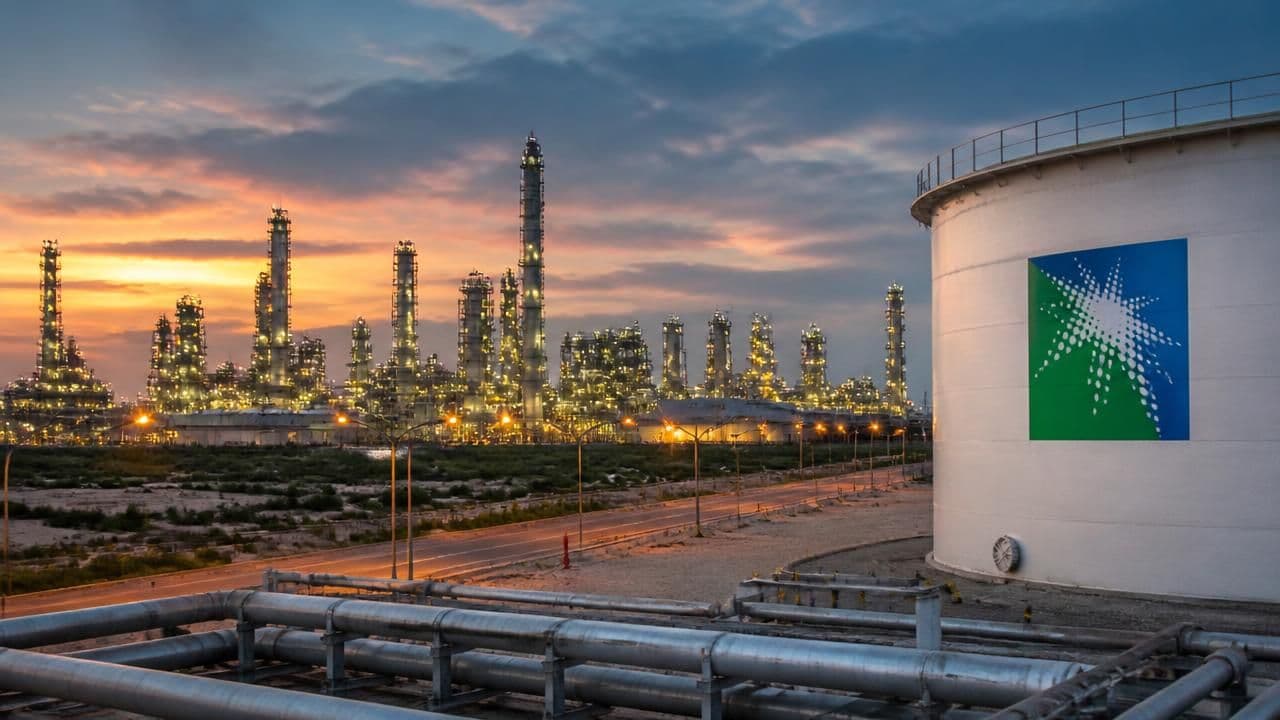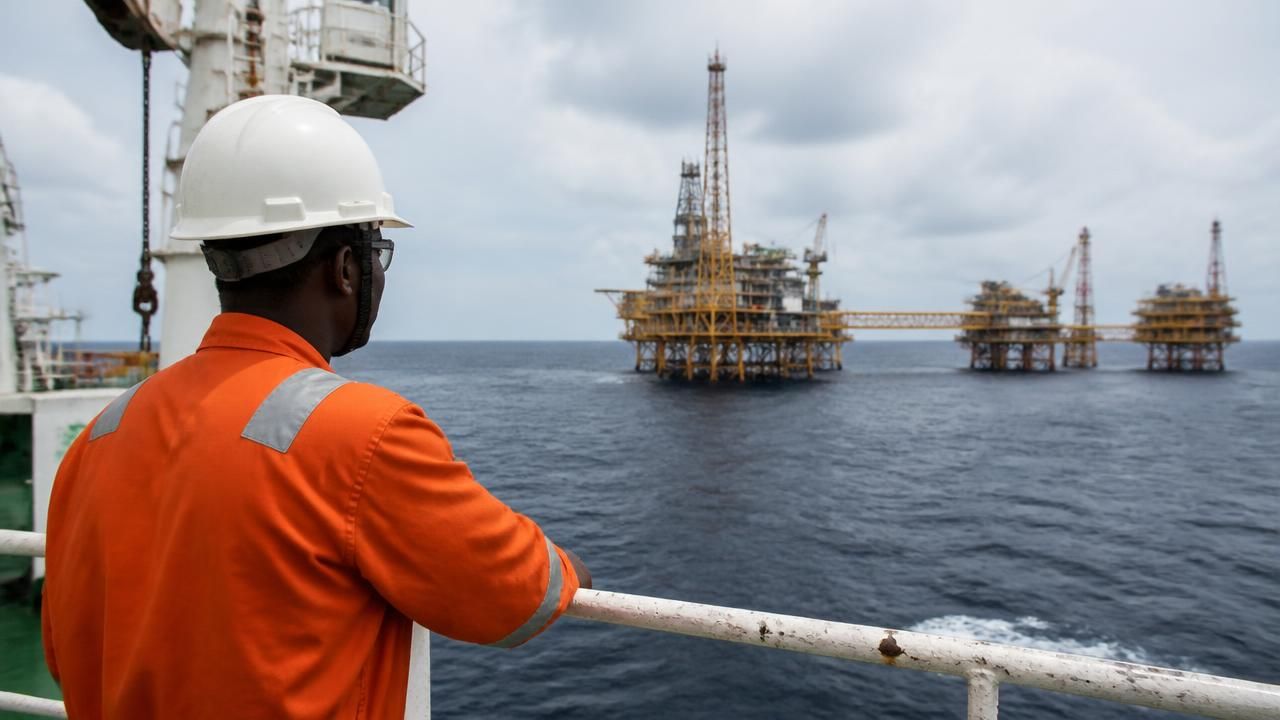
Nigeria has put 40 oil blocks on the table in its 2026 licensing round, offering a mix of deepwater, shallow-water and onshore acreage as Africa's largest crude producer tries to convert renewed investor appetite into drilling rigs and production growth. The Nigerian Upstream Petroleum Regulatory Commission (NUPRC) is set to open the bid portal on November 20, formally kicking off a process officials hope will reverse years of sluggish development across a portfolio that has repeatedly failed to deliver.
The round was announced by NUPRC Chief Executive Oritsemeyiwa Eyesan, who told Bloomberg's Abeer Abu Omar that the commission is seeing strong interest in the new blocks. The offer spans the full spectrum of Nigeria's upstream — from mature onshore terrain in the Niger Delta to frontier deepwater acreage that requires the kind of capital and technical capacity only a handful of international majors and large independents can muster.
A round built to move quickly
The NUPRC chief executive, Oritsemeyiwa Eyesan, told Bloomberg that the licensing round is intended "to accelerate operations and development" across the acreage on offer, describing the level of interest from prospective bidders as strong.
That emphasis on speed is deliberate. Nigeria has run successive licensing cycles in which awards were made but activity never followed — blocks were signed over and then sat idle while companies haggled over terms, financing or joint-venture arrangements. The result, critics have long argued, is a regulatory pipeline that produces headlines rather than barrels.
According to reports, the commission is reviewing its block screening process after years of stalled development, an acknowledgment that the problem has been as much about vetting and follow-through as about the size of the offering. The screening review is expected to shape how bids are assessed — placing greater weight on bidders' ability to actually fund and execute work programmes, rather than simply honouring the highest signature bonus.
Who is bidding, and why now
Foreign oil companies are already circling the 2026 round, with at least one international firm publicly signalling interest in the acreage on offer. That matters for a country whose output has been constrained for the better part of a decade by a combination of security problems, pipeline vandalism, underinvestment and the slow unwind of legacy joint ventures.
Nigeria's regulatory environment has also shifted. The Petroleum Industry Act, signed in 2021 after nearly two decades of legislative wrangling, created the NUPRC as a standalone upstream regulator and introduced a clearer fiscal framework for both onshore and deepwater assets. Since then, a wave of divestments — most notably the sale of Shell's onshore subsidiary and similar moves by other majors — has redrawn the ownership map of the Niger Delta, handing mature fields to indigenous producers while the majors refocus on deepwater.
- Deepwater: The most capital-intensive category, and the one most likely to attract majors and large independents with offshore track records.
- Shallow water: A middle ground appealing to mid-sized operators and local firms with offshore experience.
- Onshore: Mature, lower-cost acreage that comes with security and community-relations risk, but also the fastest route to near-term production.
The stakes for Nigeria's finances
Oil remains the backbone of Nigerian government revenue and foreign exchange earnings, even as the authorities try to diversify. Any sustained increase in upstream activity feeds directly into the fiscal arithmetic in Abuja — through royalties, taxes and the petroleum profit regime — and indirectly into the country's import bill through the domestic refining sector, which has expanded significantly in recent years.
The framing of the story varies by outlet. Trade-focused coverage, including Bloomberg's interview with Eyesan, centres on the investment case and the strength of demand for the acreage. Nigerian outlets such as Punch and Nigerian News Direct have emphasised the practical mechanics — the November 20 portal opening, the 40-block offer and the commission's push to woo global investors. Meanwhile, reporting on the screening review casts the round as a corrective exercise: less a celebration of new acreage than a reckoning with the gap between past awards and actual output.
What could go wrong
Scepticism is warranted. Licensing rounds in the region have a long history of producing awards that never reach first oil, and international oil companies remain disciplined about capital allocation, favouring jurisdictions with stable fiscal terms and predictable timelines. Security in the Niger Delta, the cost of decommissioning legacy assets and the pace of regulatory approvals all weigh on the decision.
There is also the question of financing. Deepwater developments carry multi-billion-dollar price tags and lead times measured in years, meaning the real test of the 2026 round will not be how many bids arrive at the portal in November, but how many final investment decisions are taken before the end of the decade.
Next steps
With the bid portal scheduled to open on November 20, attention now turns to the detailed terms of the round — the commercial and fiscal conditions attached to each block, the timetable for evaluation and the criteria the NUPRC will apply under its revised screening regime. For Eyesan and the commission, the challenge is twofold: convincing global capital that Nigeria's acreage is worth the risk, and proving that this time, an award will lead to a wellhead.