The global smartphone market has hit a new low. According to a report from Counterpoint Research, smartphone shipments in the second quarter of this year fell 11% year-over-year, marking the lowest Q2 volume since 2013. The decline, which analysts attribute primarily to a sharp increase in memory chip prices, has reshaped the competitive landscape, with Apple and Samsung emerging as relative winners while budget-focused brands struggle.
The Memory Chip Squeeze
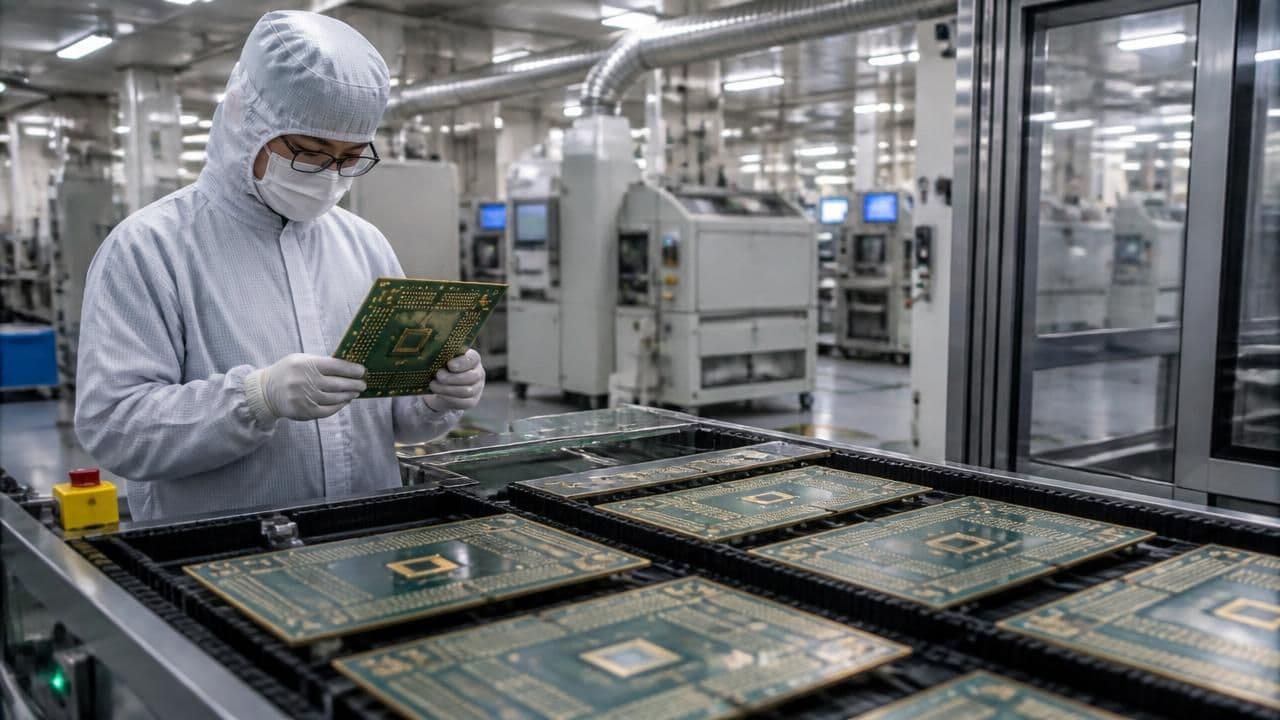
At the heart of the downturn is a surge in the cost of DRAM and NAND flash memory. Manufacturers have increasingly diverted production capacity to meet the insatiable demand for AI computing, leaving fewer chips available for consumer electronics like smartphones and PCs. This supply crunch has driven prices higher, dampening consumer appetite for upgrades.
“The rising price of memory chips is the single biggest factor behind this historic drop,” said a Counterpoint analyst. “Manufacturers are prioritizing high-margin AI components, and consumers are feeling the pinch.”
Budget Devices Hit Hardest
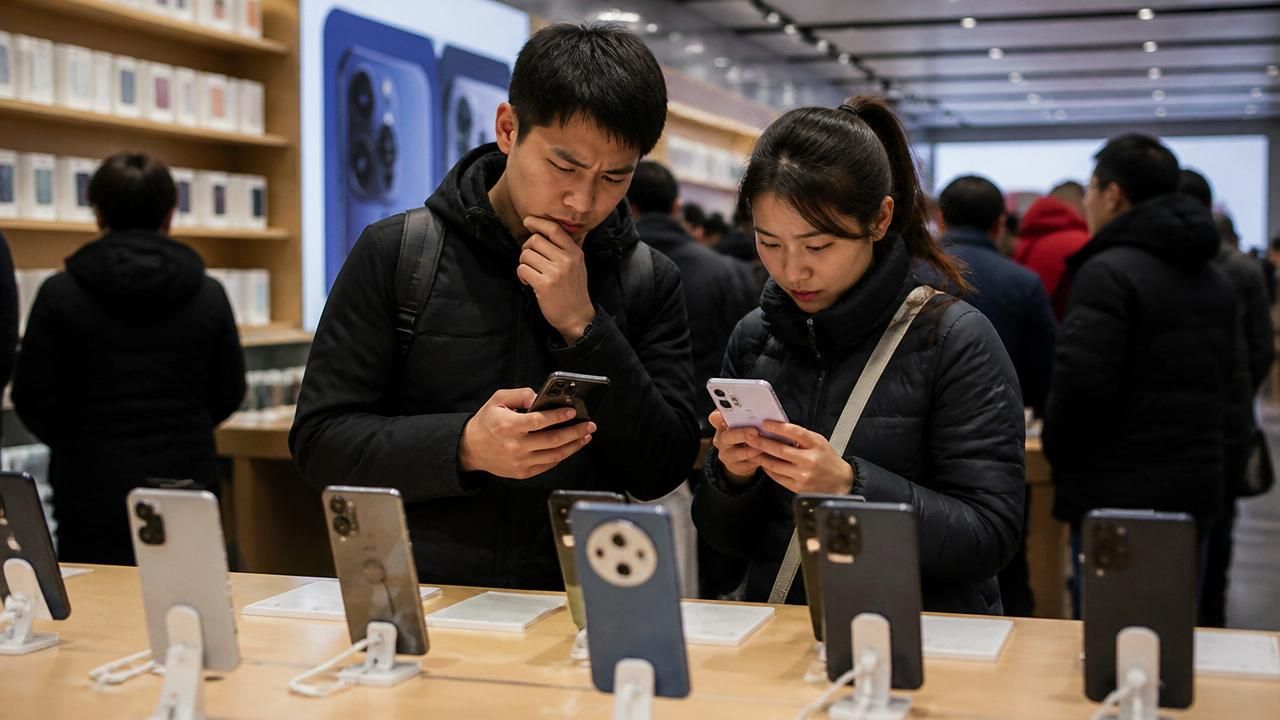
The impact has been particularly severe for low-cost smartphones. A separate report from Omdia highlights that memory now accounts for more than half of the total manufacturing cost for devices priced under $500. In the past year, the memory cost share for these budget phones has risen dramatically, forcing price hikes that deter price-sensitive buyers. For flagship models, memory represents over a quarter of the cost—still a significant increase, but one that premium brands can better absorb.
“The memory shortage is squeezing margins across the board, but it’s devastating for the entry-level segment,” noted an Omdia researcher. “These phones are seeing faster and larger price increases than flagships, which is pushing many potential buyers to hold onto their old devices longer.”
Apple and Samsung Weather the Storm
Amid the overall decline, Apple and Samsung have managed to gain ground. Counterpoint reports that both companies increased their market share in Q2, benefiting from their strong positions in the premium segment. Apple’s steady iPhone pricing strategy has paid off, as the company avoided the steep price hikes that have plagued rivals. “Apple’s ability to maintain consistent pricing while competitors scramble to adjust has reinforced its brand loyalty,” said a MacRumors analysis.
Samsung, too, leveraged its diversified supply chain and robust portfolio of high-end Galaxy devices to limit its losses. The Korean giant’s focus on foldables and premium models helped it capture a larger slice of the shrinking pie.
Rivals Struggle
Smaller manufacturers, particularly those reliant on budget and mid-range devices, have fared worse. Chinese brands like Xiaomi and Oppo saw double-digit shipment declines as their core customer base balked at higher prices. The memory crunch has exacerbated existing pressures in a market that has been plateauing for years, ending the era of guaranteed growth.
Broader Implications
The slump is more than a temporary blip. It reflects a structural shift as the semiconductor industry pivots to AI, a trend that could keep memory prices elevated for the foreseeable future. For consumers, this means fewer compelling upgrade options and higher costs—especially at the lower end. For the industry, it signals a consolidation wave, with deep-pocketed players like Apple and Samsung best positioned to thrive.
“We’re seeing a bifurcation of the market,” explained a senior analyst at Counterpoint. “The premium segment is relatively resilient, but the mid-range and budget tiers are in for a prolonged squeeze. This could accelerate the exit of weaker players and reshape the competitive dynamics for years to come.”
As the AI boom continues to consume chip supply, the smartphone industry may need to rethink its reliance on cutting-edge memory components—or accept that the days of ever-cheaper, ever-faster phones are over.