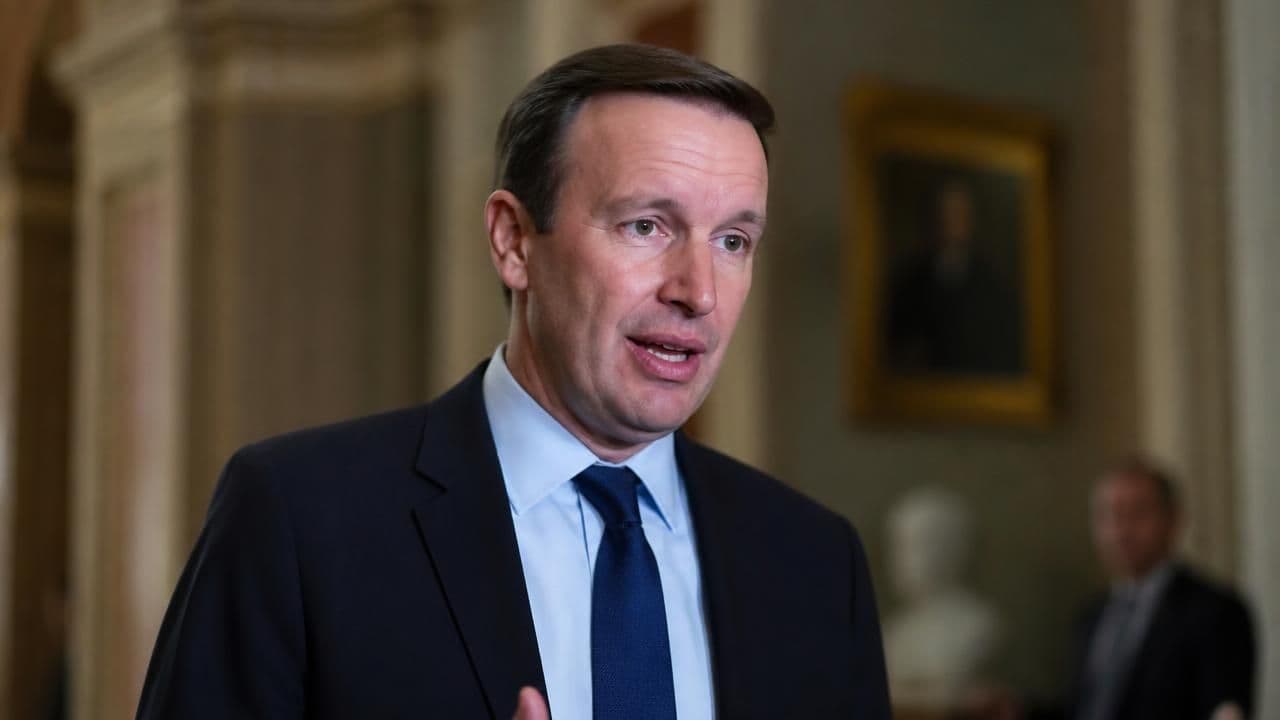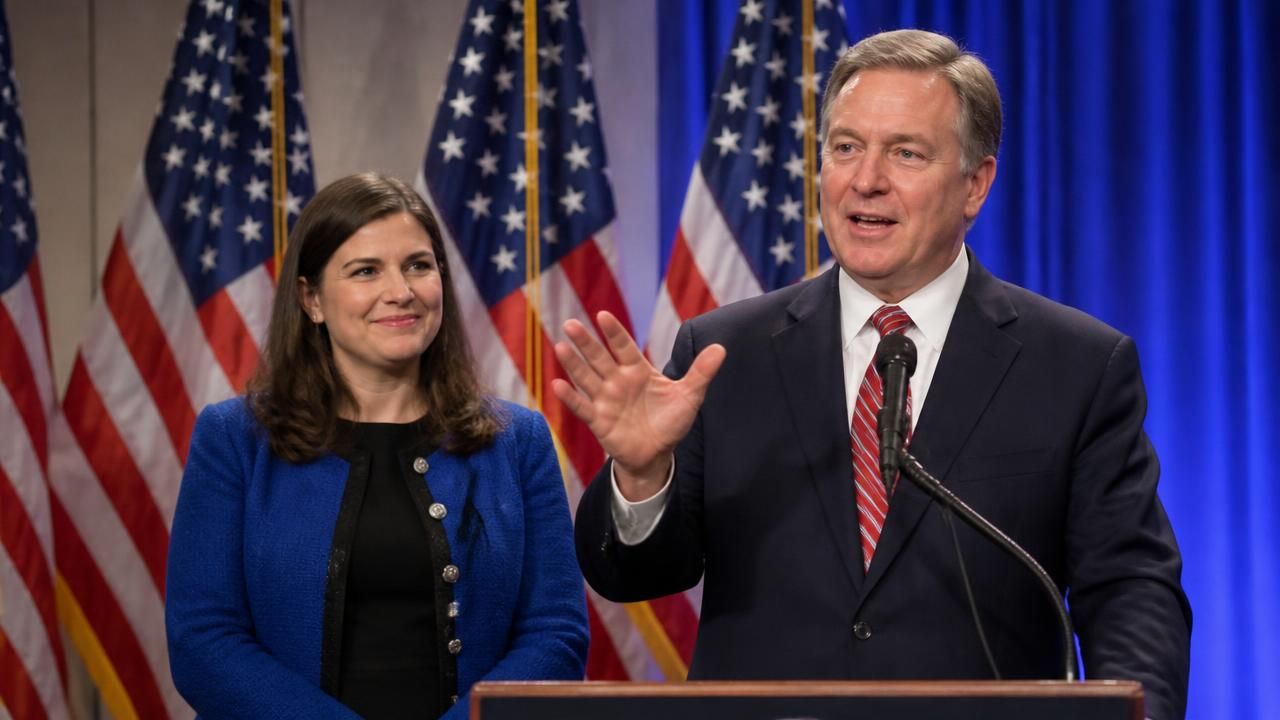
Rep. Haley Stevens has thrown the Michigan Senate race into turmoil, endorsing Republican Mike Rogers and spurning Abdul El-Sayed, the Democrat who defeated her in the primary. The move, first reported by NPR and carried across major outlets, came as Stevens was scheduled to appear at a unity event with El-Sayed. Instead, she stood with Rogers.
The endorsement is extraordinary: a sitting Democratic congresswoman backing the Republican nominee in one of the country’s most closely watched Senate contests. It landed as the 2026 midterm campaign entered its final stretch, with control of the Senate at stake and Michigan again at the center of the national political map.
A Unity Event, Redirected
NPR reported that Stevens was scheduled to attend a unity event with El-Sayed, who beat her in the Democratic primary. Instead, she endorsed his Republican opponent. MSN and NBC News described the moment as a shock to Democrats, while mlive reported that Stevens appeared with Rogers amid a deepening rift with El-Sayed.
The primary was bitter. El-Sayed, a former Detroit health director and 2018 gubernatorial candidate, defeated Stevens, a congresswoman first elected in 2018 who represents Michigan’s 11th Congressional District. The unity event was meant to signal party cohesion after a divisive race. Stevens’s decision instead exposed a fracture that Democratic leaders had hoped to paper over.
Backlash and Applause
Michigan Democrats reacted furiously. mlive reported that party figures “unloaded” on Stevens after the endorsement, and the New York Times framed the story bluntly in its live coverage: “Democratic Senate Primary Loser Endorses Republican in Michigan.” The BBC reported that a “party spat” had erupted, while Politico called the move a “bombshell” that “sends Michigan Senate race into chaos.”
Politico called the endorsement a “bombshell” that “sends Michigan Senate race into chaos,” while the BBC reported that a “party spat” had erupted as Democrats scrambled to respond.
On the Republican side, the reaction was swift. Trump, rallying in Iowa in a final push before election day, praised Stevens and urged her to switch parties, according to USA Today and The Guardian. MSN reported that Trump invited Stevens to join the GOP. The praise underscored how quickly Stevens’s break with her party had become a national story, amplified by the former president’s rally stage.
Why Michigan Matters
Michigan is a perennial battleground, one of the few states that has swung between parties in recent presidential cycles. Its Senate race is expected to be among the most competitive in the country, and both parties are treating it as central to their hopes of controlling the chamber. Rogers, a former congressman and House Intelligence Committee chairman, gives Republicans a credentialed candidate with national security experience. El-Sayed, the son of Egyptian immigrants, has energized progressive and Arab American voters, especially in southeast Michigan.
The endorsement could cut two ways. For Rogers, Stevens’s support may lend credibility with moderate Democrats and independents who are wary of El-Sayed’s progressive politics. For Democrats, it threatens to depress turnout and deepen the perception of a party at war with itself. Stevens’s decision also raises questions about her own political future: she has not said she will switch parties, but Trump’s public invitation ensures the speculation will continue.
How Outlets Framed the Story
- NPR led with the timing: Stevens was expected at a unity event with El-Sayed but instead endorsed his Republican opponent.
- Politico cast it as a “bombshell” that threw the race into “chaos.”
- The BBC emphasized the broader “party spat” among Democrats.
- mlive focused on the intraparty backlash, reporting that Michigan Democrats “unloaded” on Stevens.
- The New York Times placed it within its midterm live updates, calling Stevens the “Democratic Senate Primary Loser.”
- NBC News and USA Today tied the story to Trump’s rallies in Kansas and Iowa, where he praised Stevens and urged her to join the GOP.
What Comes Next
The endorsement does not change the candidates on the ballot, but it changes the political weather around them. El-Sayed must now consolidate a Democratic coalition that was already strained by the primary, while Rogers must decide how closely to embrace a Democratic endorser without alienating his Republican base. Stevens, meanwhile, faces a reckoning with constituents and party activists who see her move as a betrayal.
Democrats have little time to heal the rift. With election day approaching, every defection carries outsized weight in a state that decided the presidency in 2016 and 2024 and will likely decide the Senate majority in 2026. The question now is whether Stevens’s endorsement is an isolated act of political revenge or a warning sign of deeper realignment in Michigan politics. For a party that spent months promising unity, the answer may determine not just one Senate seat but the balance of power in Washington.