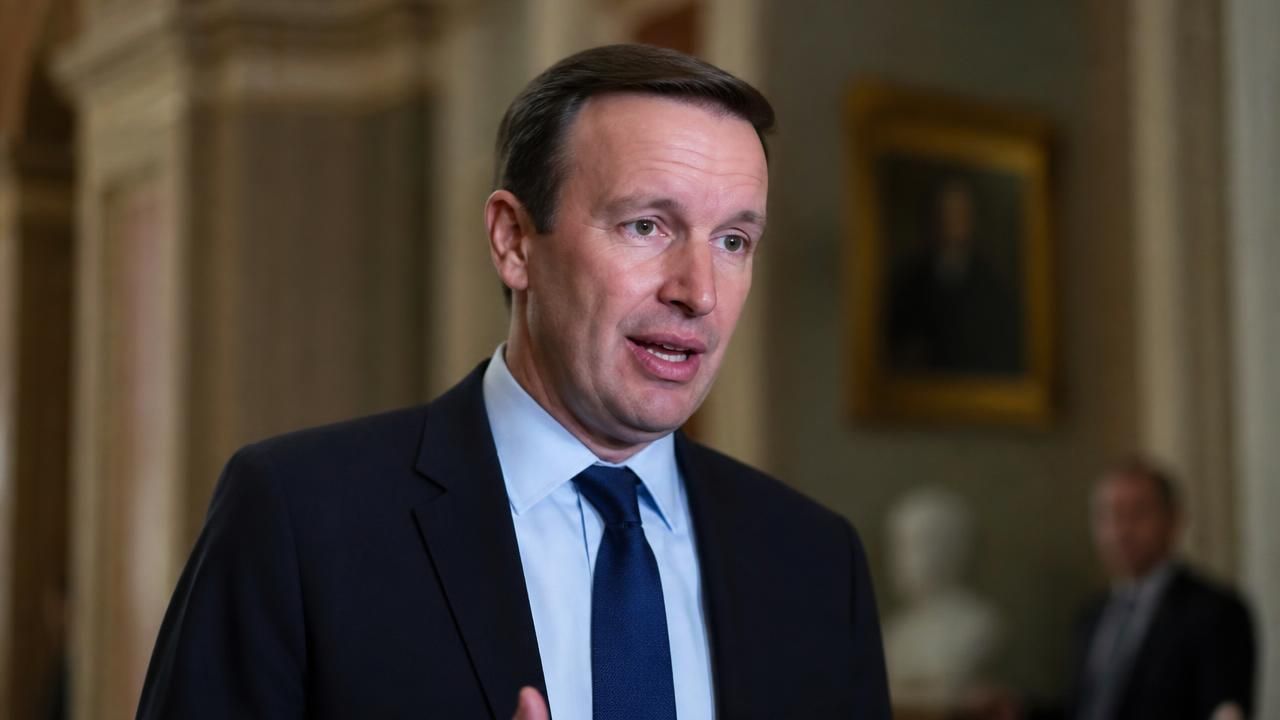
Sen. Chris Murphy, the Connecticut Democrat who has become one of his party's most prominent voices on gun violence and foreign policy, was hospitalized over the weekend after suffering a stroke, his office confirmed. The 52-year-old senator was taken to the hospital after experiencing numbness in his arm, according to a statement from his chief of staff, who said Murphy is responding well to treatment and is expected to make a full recovery.
"He is awake and alert," the statement read, adding that the senator and his family were grateful for the care he received and for the outpouring of support. The New York Times reported that Murphy was listed as "awake and alert" after the episode, while CNN and other outlets confirmed the senator's team expected a complete recovery.
A Sudden Turn at a Family Event
According to The Sun, the stroke occurred while Murphy was attending his son's hockey game, an ordinary weekend moment that turned into a medical emergency. The specific circumstances — a lawmaker felled mid-weekend at a youth sporting event — underscored how suddenly strokes can strike, even in relatively young, healthy adults.
NPR reported that Murphy experienced numbness in his arm before being taken to the hospital. Doctors treating the senator expressed optimism about his prognosis, with his office emphasizing that he was responding well to treatment. The exact hospital where Murphy is being treated has not been publicly disclosed, and his office has declined to provide further details about the severity of the stroke or his anticipated length of stay.
Who Is Chris Murphy?
Murphy, a native of Hartford, has represented Connecticut in the Senate since 2013, following three terms in the House of Representatives. He first won elected office at age 25 in the Connecticut House of Representatives, and his political career has been marked by a focus on gun safety, mental health, and international affairs.
Murphy rose to national prominence after the 2012 Sandy Hook Elementary School shooting in Newtown, Connecticut, which occurred just weeks before he entered the Senate. He became a leading advocate for gun control legislation, famously delivering a nearly 15-hour filibuster on the Senate floor in 2016 to demand action on gun violence. More recently, he helped negotiate the Bipartisan Safer Communities Act of 2022, the most significant federal gun safety legislation in decades.
He is also a senior member of the Senate Foreign Relations Committee and has been an outspoken voice on issues ranging from the war in Ukraine to human rights. His hospitalization raises questions about the Senate's narrow partisan balance, though his office has not indicated any change in his duties.
Strokes in Younger Adults
While strokes are often associated with older adults, medical experts note that they can occur at any age. According to the American Stroke Association, about 10 to 15 percent of strokes occur in adults under 45, and risk factors include high blood pressure, smoking, diabetes, and certain genetic conditions. Symptoms include sudden numbness or weakness in the face, arm, or leg — particularly on one side of the body — as well as confusion, trouble speaking, vision problems, and severe headache.
The senator's reported numbness in his arm is a classic warning sign, and his quick hospitalization likely aided his prognosis. Recovery from stroke varies widely depending on the location and severity of the blockage or bleed, but many patients who receive prompt treatment make substantial recoveries.
"He is responding well to treatment and expected to make a full recovery," Murphy's chief of staff said in a statement, a message echoed by the senator's team across multiple outlets.
Bipartisan Support Pours In
News of the hospitalization prompted an outpouring of support from colleagues on both sides of the aisle. Fellow Connecticut lawmakers and senators from across the political spectrum offered well-wishes, a reminder of Murphy's reputation as a lawmaker who maintains relationships across party lines — a quality that has made him a central figure in bipartisan negotiations.
The episode also drew attention to the health and age of members of Congress, a topic that has become increasingly salient in recent years as several high-profile lawmakers have faced extended absences due to illness. With a slim Senate majority, even a brief absence can complicate the chamber's legislative calendar.
What Happens Next
Murphy's office has not provided a timeline for his return to Washington. His team has indicated that he will follow his doctors' guidance, and it remains unclear whether he will participate in upcoming votes remotely or take a leave of absence. The Senate has procedures for members who are unable to attend, but a prolonged absence could affect closely watched votes.
For now, the message from the senator's office is one of reassurance. As one aide put it, the focus is on his health and recovery — and the expectation, shared by his doctors, is that the Connecticut Democrat will be back at work before long.
Key Facts at a Glance
- Who: Sen. Chris Murphy, D-Conn., 52, a leading voice on gun safety and foreign policy
- What: Hospitalized after suffering a stroke; experienced numbness in his arm
- When: Over the weekend, reportedly while attending his son's hockey game
- Condition: Awake and alert, responding well to treatment, expected to make a full recovery
- What's next: No timeline announced for his return to the Senate