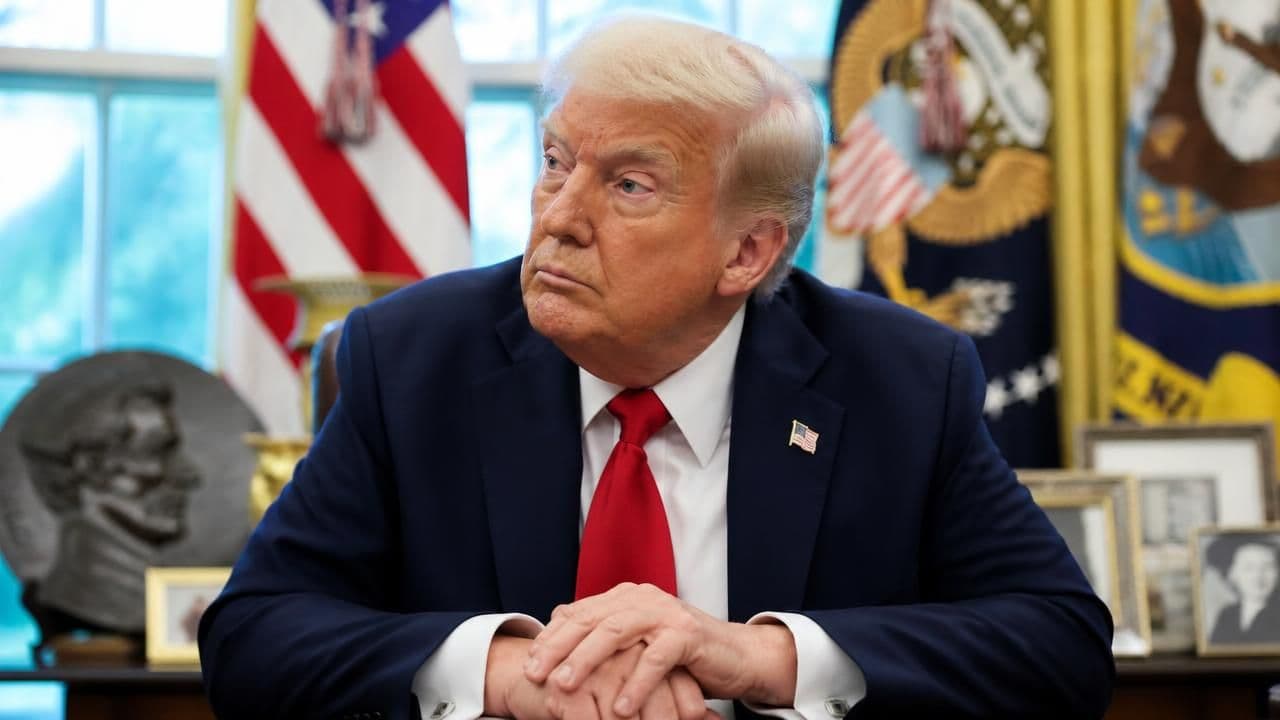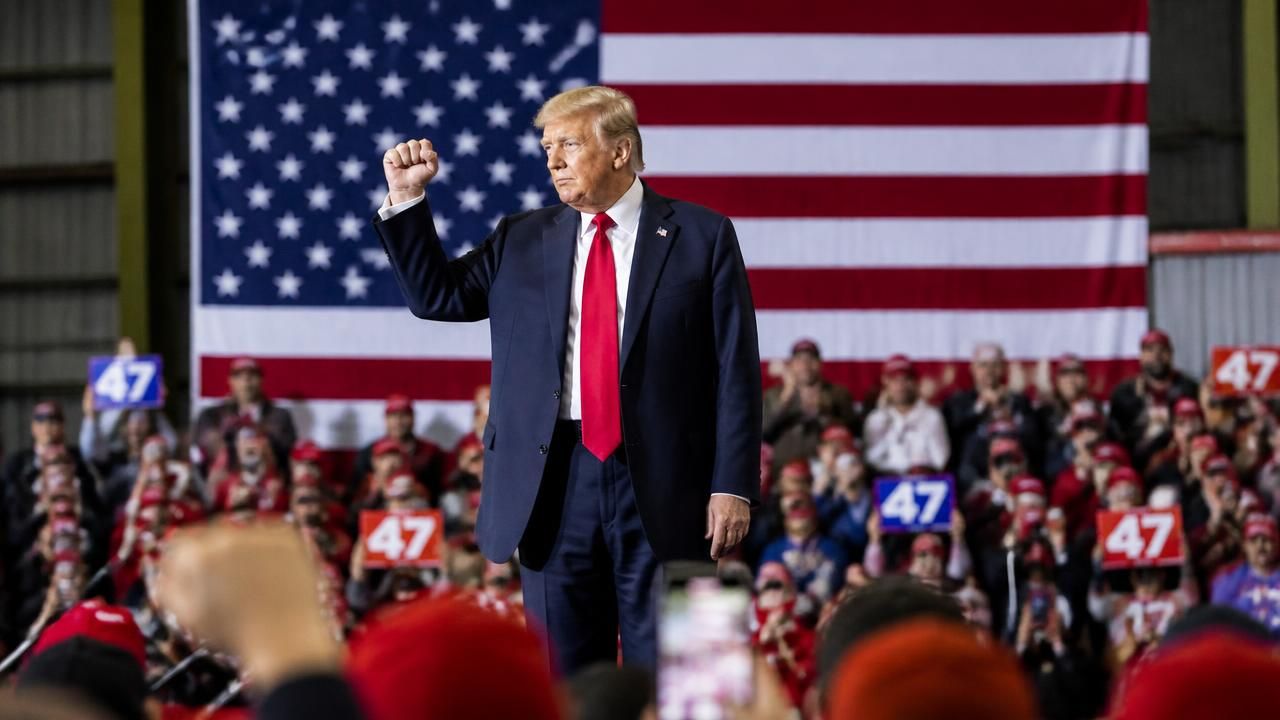
President Donald Trump is spending the closing days of the 2026 midterm campaign in familiar territory — geographically, rhetorically and emotionally. According to reporting from NPR, CNN, NBC News, CBS News and the Associated Press, the president has maintained a near-daily rally schedule as Election Day approaches, staging what amounts to a greatest-hits tour in reliably red states and, by his own account, a kind of goodbye to the campaign trail.
The itinerary itself tells the story. On Tuesday the president was scheduled to appear in Wichita, Kansas, where the AP reported he would rally farmers' votes in the latest stop on his midterm blitz — a nod to an agricultural constituency that has been buffeted by trade policy and input costs. He has also returned to Texas for back-to-back rallies, according to NBC News, and is expected in Daytona Beach, Florida, a week after a previous Florida stop, a scheduling quirk that drew local coverage from USA Today. CBS News' live blog on the 2026 elections noted that the president has folded online rallies into the mix as candidates across the country make their final push.
A Tour of Safe Territory
What unites the stops is that they are, almost without exception, in states Republicans usually win. Yahoo News framed the phenomenon bluntly: "Donald Trump's Final Campaign Stops Include States Republicans Usually Win." For a president whose political identity was built on expanding the map, the final sprint is notably defensive in its geography — a tour of the base rather than the battlegrounds.
CNN, in a report headlined "Inside Trump's final two-week campaign sprint across deep-red America," described a president maintaining an intensive schedule of events aimed at turning out loyal crowds rather than persuading swing voters. NPR characterized the run as Trump "playing his greatest hits for loyal crowds in red states in what is a sort-of goodbye to campaigning."
That elegiac tone has been explicit. Texas Public Radio, describing the same swing, reported that the president "delivers his greatest political hits and mourns end of rallies" — a reference to his repeated musings that this may be his last campaign. Trump thanked supporters "for the memories" at recent stops, according to NPR, a line that lands differently in a movement built around the promise of permanence.
Scrapped Appearances and a Split Message
The closing stretch has not gone entirely to plan. MSN reported that Trump and Vice President JD Vance scrapped planned appearances in the final stretch of the midterm campaign, a cancellation that removed a joint show of force from the calendar at precisely the moment campaigns typically stage them.
The story is not only about the president. MSN also reported that Democrats are navigating a schism in Michigan and an investigation in Alaska days before the midterms — twin distractions that have complicated the opposition's own closing message. In Alaska, the president has trained his fire on what MSN described as "a long, sometimes sordid political tradition of spoiler candidates," an issue with particular resonance in a state where ranked-choice voting and third-party candidacies have repeatedly scrambled outcomes.
Meanwhile, the president's calendar has extended beyond the rally stage. MSN reported that Trump praised first lady Melania Trump in a rare appearance promoting women's health — a shift in register that advisers have long seen as an attempt to reach suburban women, a group where the president's standing has been uneven.
Foreign Policy Intrudes
Even as the president concentrates on domestic turnout, international questions have followed him. The Times of Israel reported that Trump said he had not thought about pushing for a Netanyahu-led unity government, adding that he would "take a look" — a characteristically noncommittal answer that nonetheless signals how foreign policy can intrude on a domestic political sprint, particularly with an Israeli government's composition still in flux.
"I haven't thought about pushing for a Netanyahu-led unity government. I'll take a look."
— President Donald Trump, per The Times of Israel
Why It Matters
The framing across outlets differs in emphasis but converges on a single insight: the president is campaigning as a movement leader rather than as a legislator-in-chief. NPR and TPR emphasize nostalgia and the closing of an era. CNN emphasizes the intensity of the schedule and its concentration in safe territory. CBS emphasizes the mechanics — online rallies, candidates' own closing pushes — while AP peers at the local level, where the Kansas farm vote, the Texas suburbs and Florida's I-4 corridor will decide individual races.
History offers a caution. Presidents typically campaign hardest where their party's Senate and House majorities are most at risk; a schedule dominated by deep-red states suggests either confidence about the battlegrounds or a decision to spend political capital where it is guaranteed a return. Both readings carry risk: the first can look like complacency, the second like retreat.
- Kansas: A farmers-focused rally in Wichita, per AP and KMBC, aimed at an agricultural base strained by trade and costs.
- Texas: Back-to-back rallies, per NBC News, in a state that has drifted marginally toward Democrats in recent cycles.
- Florida: A Daytona stop a week after a previous Florida appearance, per USA Today.
- Online: Virtual rallies folded into the final push, per CBS News' live coverage.
What happens after Tuesday is the open question. The president's own remarks — thanking crowds for the memories, mourning the end of rallies — suggest he understands that the midterms will not simply be a verdict on his party but a hinge in his own political story. Whether that story continues on a rally stage in 2028 or ends with this tour of reliably red America is a question no candidate on the ballot this week can answer.