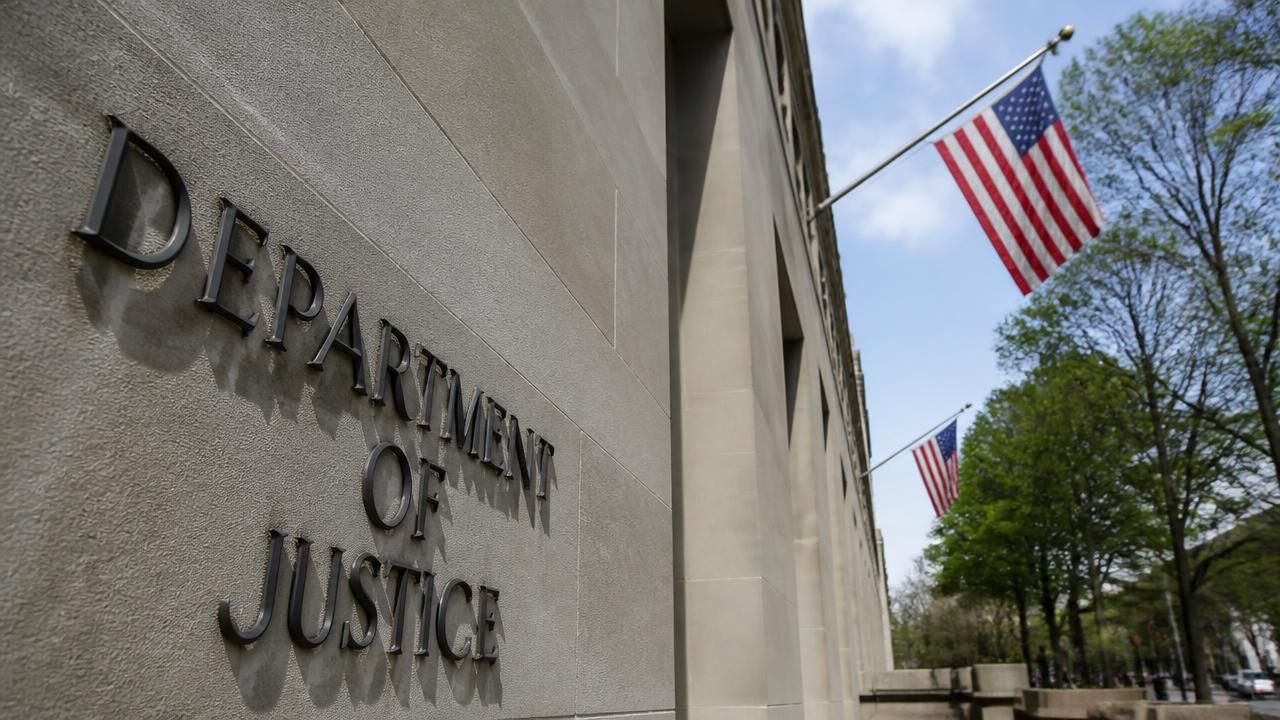
Federal prosecutors have spent the run-up to the midterm elections pursuing a series of politically sensitive cases and lawsuits that veteran Justice Department officials say depart sharply from the department's long-standing practice of restraint in the final weeks before voters go to the polls. The activity, reported across a range of outlets this week, includes federal probes touching President Trump's political opponents, litigation against states over how they run elections, demands that states preserve 2024 election records and hand over voter data, and the deployment of federal monitors whose conduct is now the subject of an official complaint from at least one governor.
The New York Times, in a segment featuring reporter Devlin Barrett, framed the story around a simple question: how does the current burst of activity compare with what the Justice Department has historically done in election years? The answer, according to Barrett and others, is that it compares poorly. CBS News reported that DOJ veterans say the politically charged moves so close to an election "run afoul of historical norms," while NBC News quoted former officials describing the flurry as "shocking" and a break with "long-standing precedent." MSN's aggregation carried a similar headline, describing a "spate of politically sensitive cases" as the midterms approach.
A Break From a Longstanding Tradition
The Justice Department has for decades operated under an informal but widely observed set of guardrails during election season. Most famously, a 1976 internal policy — later codified in departmental guidance and reinforced by memos such as the one issued by then-Attorney General Michael Mukasey in 2008 — discourages overt investigative steps and public filings against candidates or political organizations within roughly 60 days of an election, absent extraordinary circumstances. The principle behind the rule is that federal law enforcement should not be seen as tilting the playing field or influencing voters' decisions in the final stretch of a campaign.
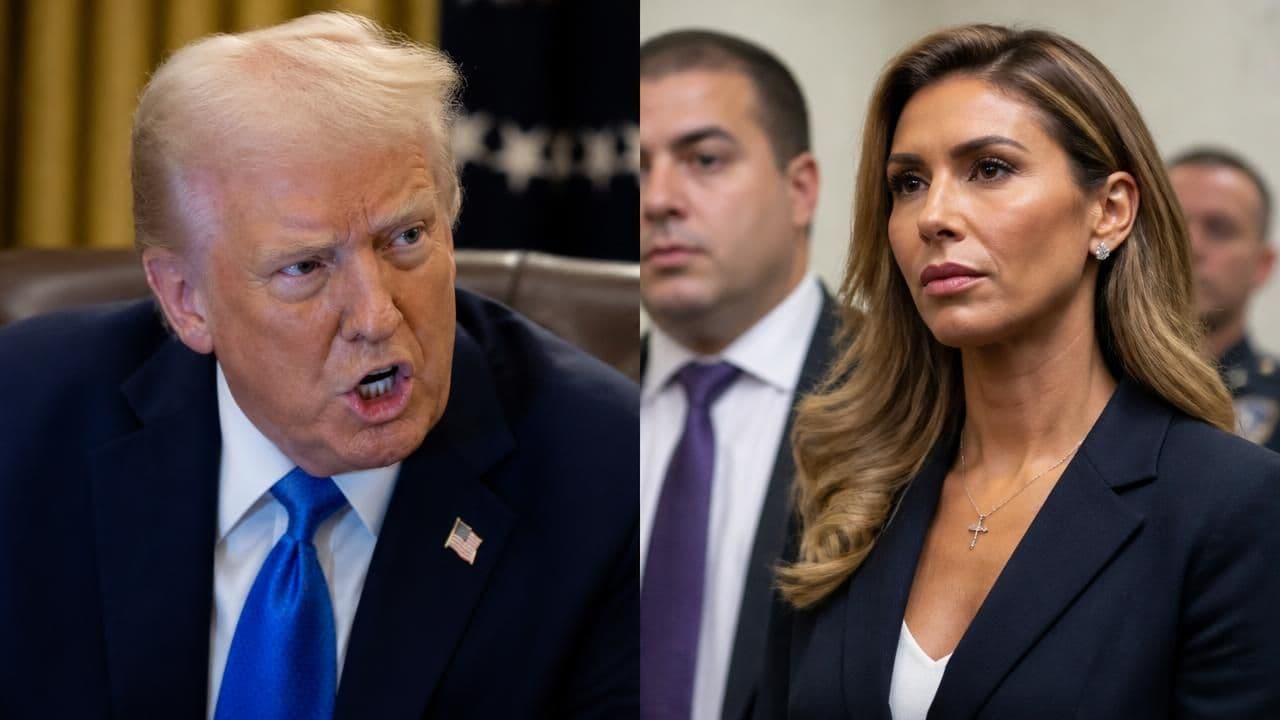
Former officials interviewed by CBS and NBC said the current posture inverts that norm. Rather than pulling back, the department appears to be accelerating. According to the Times' reporting, federal prosecutors have targeted President Trump's political opponents while simultaneously suing states over their election administration — a combination that critics say creates the impression of a department acting as an instrument of the president's political interests rather than an independent law enforcement agency.
Former Justice Department officials described the pre-election burst of activity as “shocking” and said it breaks with long-standing precedent — a characterization echoed by DOJ veterans speaking to CBS News, who argued the moves run afoul of historical norms.
Records, Voter Data and the 2024 Election
Adding to the unease is a parallel push on election records. The Hill reported that the Justice Department has directed states to hold on to 2024 election records while it seeks access to their voter data. The request is notable for its timing and scope: state election offices are the custodians of voter rolls, ballots, chain-of-custody logs and other materials that, in aggregate, form the documentary backbone of American elections. Demands for such data from Washington have historically been met with skepticism from state and county officials, who describe them as burdensome, legally dubious in some cases, and disruptive to the routine administration of elections.
Election-law experts say the combination — preservation demands, data requests and litigation against states over election procedures — effectively puts the department in simultaneous roles as investigator, litigant and record-keeper in the very contests it is supposed to referee neutrally. That convergence, they argue, is what makes the current period different from past cycles in which isolated controversies flared but were not part of a sustained pattern.
Wyoming Objects to Federal Monitors
The role of federal election monitors has also become a flashpoint. The Twin Cities Pioneer Press reported that Wyoming's governor formally requested an investigation into the activity of Justice Department monitors during the state's primary. The complaint adds a statehouse dimension to the story: where the DOJ traditionally deployed observers to protect access for voters who had historically been disenfranchised, the Wyoming request signals that at least one governor now views federal monitoring itself as a potential intrusion — or worse, as political surveillance.
Wyoming officials did not detail specific incidents in the initial reporting, but the mere existence of a formal request for an investigation illustrates how quickly the department's election-season footprint has become contested terrain between Washington and the states.
Why It Matters
The stakes extend beyond any single case. The Justice Department's credibility rests on the perception — held by courts, states and the public — that its decisions are made on the facts and the law rather than on political advantage. Every high-profile action taken close to an election risks eroding that perception, and the cumulative effect of many such actions is greater than the sum of its parts.
- Institutional trust: Former officials warn that election-year prosecutions and suits can permanently damage the department's reputation for independence.
- Federalism: Data demands and litigation against states are straining relations with election administrators who must carry out the November vote.
- Precedent: Watchers note that norms abandoned in one cycle are difficult to restore in the next, regardless of which party controls the White House.
- Oversight: Congressional committees and, potentially, courts may soon be asked to weigh in on the legality of specific requests.
What remains unclear is whether the current burst represents a deliberate strategic shift or an accumulation of individual decisions made without regard to the election calendar. The department has not offered a detailed public explanation of how it is applying its election-year guidelines. Meanwhile, the clock keeps running: with voting already underway in some jurisdictions, each new filing, subpoena or monitoring deployment will be measured against a tradition that former officials say is already under severe strain.