Global financial markets experienced a turbulent session on [Date] as escalating tensions between the United States and Iran over the Strait of Hormuz triggered sharp swings in oil prices and dragged down stock indices worldwide. The standoff, which saw Iran briefly close the strategic waterway—through which about 20% of the world's oil passes—before reopening it, left investors grappling with uncertainty over energy supplies, inflation, and broader geopolitical stability.
Oil Prices Swing Wildly
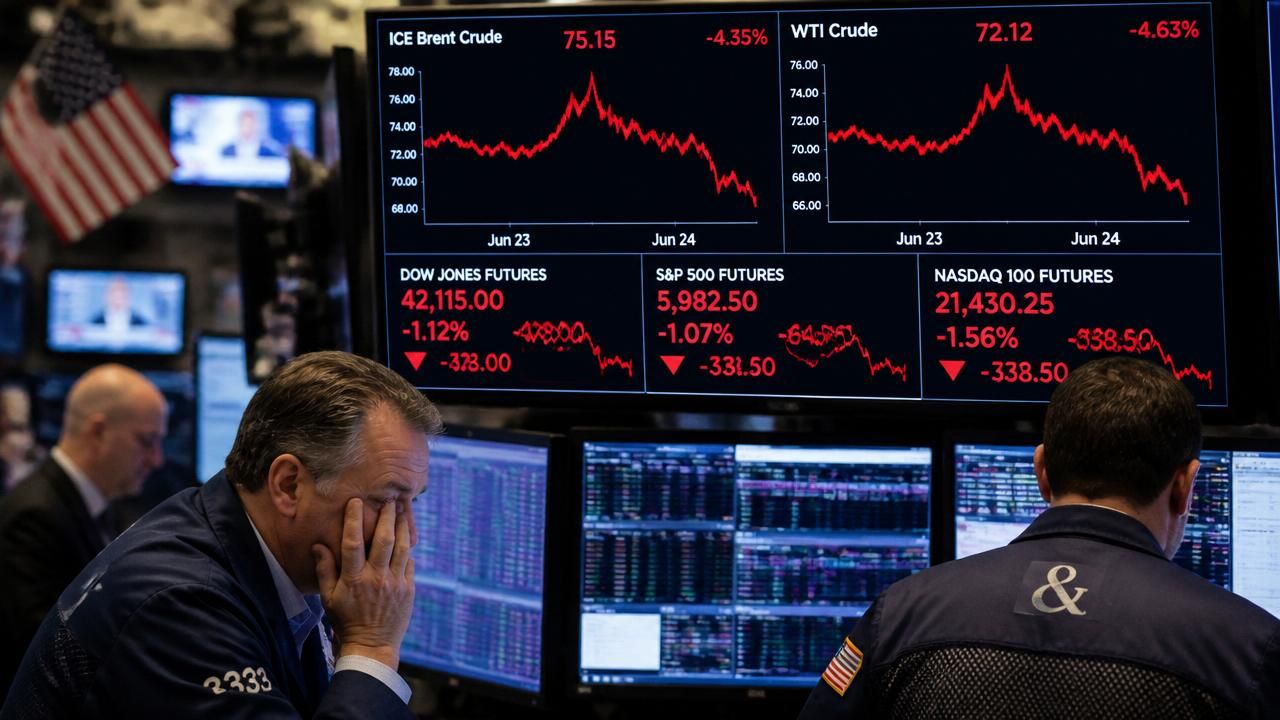
Crude oil futures initially surged on reports that Iran had closed the Strait of Hormuz, with Brent crude jumping over 5% at one point. According to Bloomberg Markets, the standoff "lifted oil prices, dragging down stocks and bonds after clashes over the Strait of Hormuz raised concerns about a disruption in energy supplies that could fuel inflation." However, as the situation evolved, prices reversed course. MSN reported that "Oil prices fall after U.S. Energy secretary says Hormuz ship traffic is increasing," suggesting that diplomatic channels were working to de-escalate the crisis. The New York Post described a "'mini tsunami' of oil headed for global markets after reopening of Strait of Hormuz — for now," capturing the volatile mood.
Stock Markets Tumble
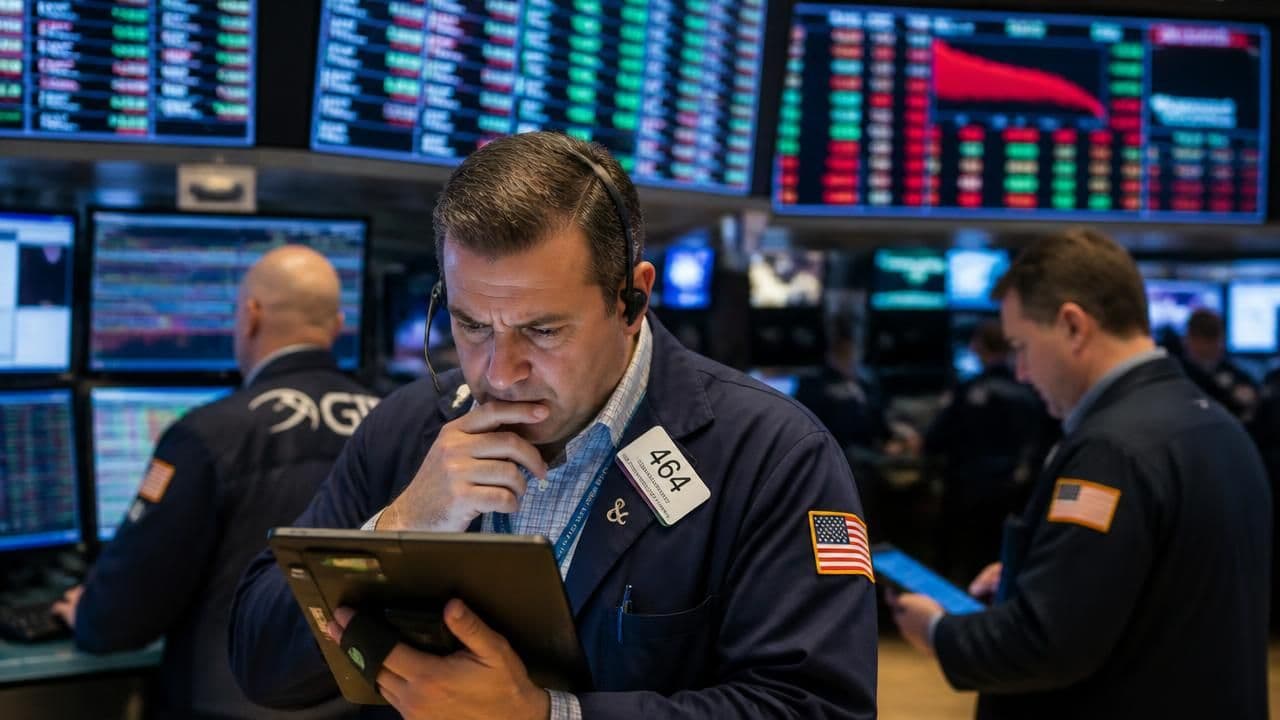
The equity sell-off was broad-based. In the U.S., futures for the Dow Jones, S&P 500, and Nasdaq all pointed to a lower open, with the tech-heavy Nasdaq bearing the brunt of the losses. The New York Times reported that "Tech Stocks Drive 'Unnerving' Sell-Off in Global Markets," noting that investors were fleeing risk assets amid fears of higher energy costs and potential supply chain disruptions. Asian markets also suffered, with MSN noting "Asian markets hit by tech sell-off after Apple price hike," though the Hormuz crisis was the dominant factor. European indices like the FTSE 100 were expected to open lower as well, according to MSN.
Divergent Views on the Crisis
Analysts were split on whether the Hormuz disruption was a temporary blip or a sign of deeper instability. Bloomberg quoted Stanley as saying the "Oil Market [was] Complacent over Hormuz," implying that investors were underestimating the risk. In contrast, the Wall Street Journal posed the question "How Did We Go From Hormuz Crisis to Oil Glut?" suggesting that the market's rapid reversal reflected underlying oversupply. Reuters added that "Oil refiners' Hormuz windfall may prove short-lived," indicating that any price spikes from the crisis could be fleeting.
Implications for Inflation and Central Banks
The spike in oil prices reignited fears of inflation, which could complicate central banks' efforts to ease monetary policy. The Bloomberg article highlighted that the crisis "raised concerns about a disruption in energy supplies that could fuel inflation," a key worry for the Federal Reserve and other central banks. Higher energy costs could slow economic growth while keeping prices elevated, a scenario that markets have been dreading.
What's Next?
As the Strait of Hormuz remains open for now, attention turns to diplomatic efforts. The U.S. Energy Secretary's reassurances helped calm markets, but the underlying tensions between Washington and Tehran persist. Investors will be watching for any further provocations or diplomatic breakthroughs. The AOL article asked, "The Strait of Hormuz Is Open: Time to Buy Airline Stocks?" suggesting that some sectors could benefit from lower oil prices if the crisis abates. However, the situation remains fluid, and market participants should brace for continued volatility.
In summary, the Hormuz standoff has delivered a stark reminder of how geopolitical shocks can roil global markets. While the immediate crisis may have passed, the underlying risks remain, and investors are likely to remain on edge until a more permanent resolution emerges.