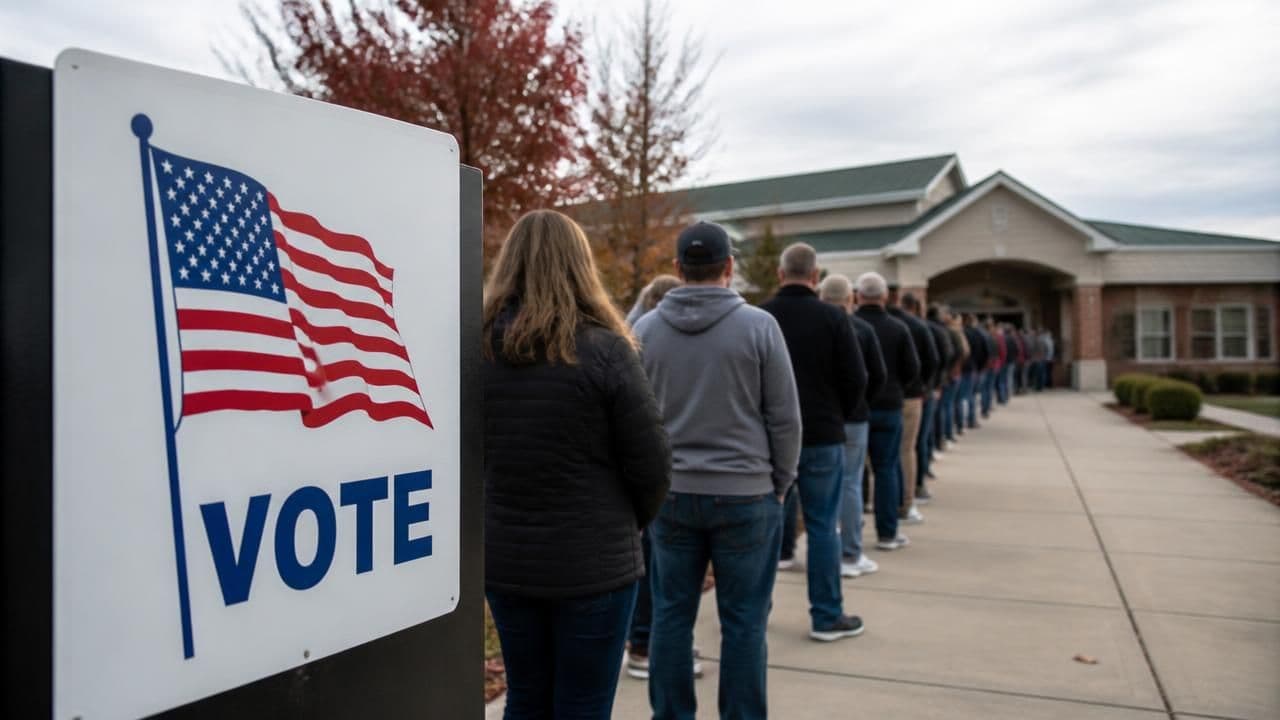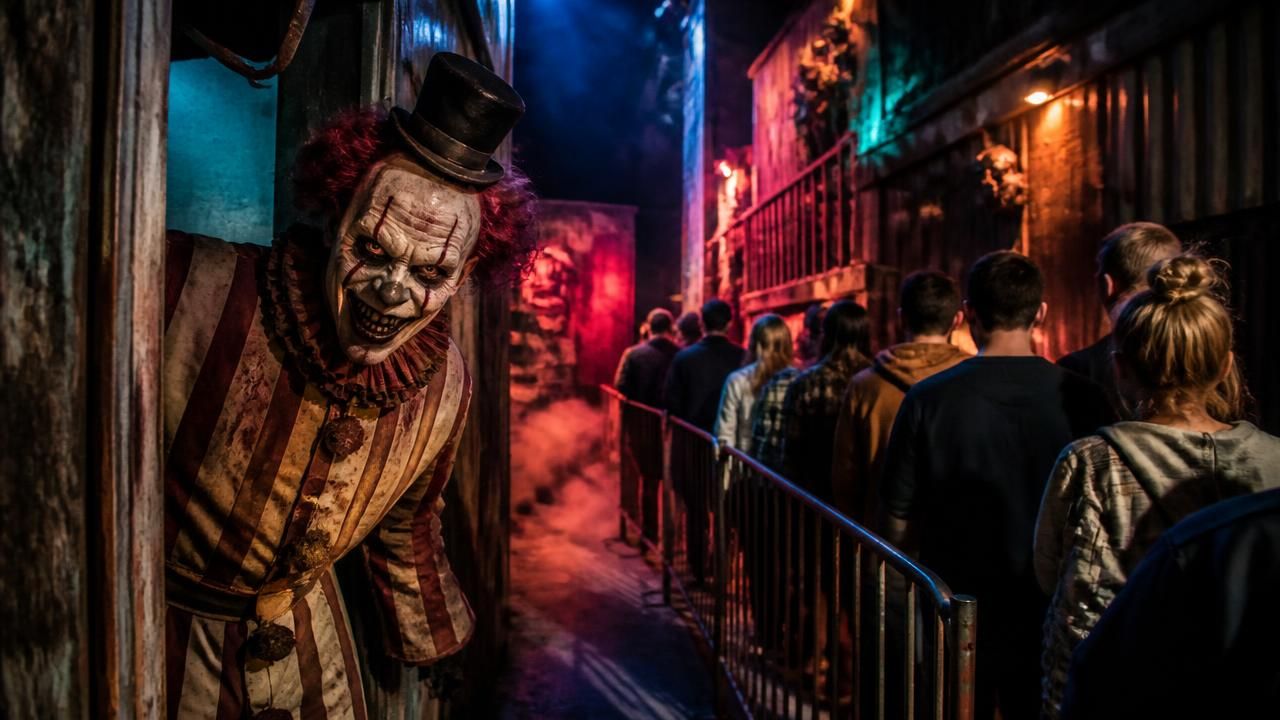
The haunted house, long a charity fundraiser staged in a church basement or a parking-lot tent, has quietly become one of the fall's most capital-intensive entertainment products. This month, regional outlets from Tennessee to the Gulf Coast to Orange County are publishing guides to the attractions in their backyards, while Bloomberg Markets takes a wider view: what was once a low-tech Halloween carnival staple is now an elaborate immersive environment capable of pulling crowds into overlooked corners of American cities.
"Once low-tech staples of Halloween carnivals, haunted houses have become elaborate immersive environments that can draw crowds to forgotten parts of US cities," Bloomberg's David Dudley writes in the report, which frames the trend less as a seasonal curiosity than as an urban development story with a balance sheet attached.
From plywood to production value
The transformation is visible in the product itself. Today's leading attractions borrow techniques from immersive theater, escape rooms, film production and video-game level design: detailed sets, scent and sound design, live actors working from scripts and safety protocols, timed-entry ticketing, and increasingly sophisticated lighting and animatronics. Where a 1990s haunted house might have relied on a fog machine and a volunteer in a mask, a modern haunt is closer to a small-scale theme park operating for five or six weeks a year.
That shift has financial consequences. Build-outs require year-round storage, fabrication shops, insurance, permitting, fire-marshal inspection, trained scare actors and marketing budgets that would have seemed absurd for a volunteer operation. In exchange, operators gain pricing power and the ability to sell out nights in advance online — turning a cash business into something closer to a ticketed events company.
A regional map of fear
The regional press coverage illustrates how geographically distributed the boom has become, and how differently local markets frame it:
- Middle Tennessee: The Tennessean's guide, headlined "Enter at your own risk," positions the region's haunts as a mix of long-running local institutions and newer, higher-production attractions competing for the same October audience.
- Louisiana: The Shreveport Times rounds up seven attractions, promising visitors the chance to "hunt zombies or journey through a haunted mansion" — a reminder that the category now spans interactive survival scenarios and traditional walk-through horror alike.
- Southern California: The Orange County Register reports that "four fearsome Halloween attractions rise this month," language that emphasizes new entrants and the density of competition in a market already saturated with theme-park Halloween events.
Notably, the Tennessee and Louisiana pages were access-restricted at the time of review, a reminder that much of this local coverage now sits behind subscription walls — and that the regional roundup, once a free public service, has itself become a monetized product.
The economics of a good scare
For all the theatricality, the business model is familiar to anyone who has studied seasonal entertainment. Demand is violently concentrated: nearly all revenue arrives in a handful of weekends around Halloween, meaning a single rained-out Saturday can dent the year. Labor is temporary and largely gig-based, which keeps fixed costs low but creates recruiting and training challenges. And the product is perishable — audiences expect novelty, so sets must be redesigned annually even as build costs rise.
That combination rewards operators who can extend the season. Some have added Christmas-themed "dark" events, Valentine's and Friday-the-13th one-offs, escape-room partnerships, and off-season rentals. Others have leaned into corporate buyouts and private events, which offer higher margins and predictable revenue than walk-up ticket sales.
"Haunted houses have become elaborate immersive environments that can draw crowds to forgotten parts of US cities." — Bloomberg Markets
Why cities are paying attention
The urban-policy angle Bloomberg highlights is the more interesting long-term story. A successful haunt can function as a temporary anchor tenant, generating foot traffic and late-night spending in warehouse districts, struggling retail corridors and industrial edges that rarely see weekend crowds. Landlords with vacant big-box space get short-term rent; restaurants and bars get customers; municipalities get sales-tax activity without permanent infrastructure commitments.
But the model carries risks. Attractions that depend on temporary leases are vulnerable to redevelopment; safety and crowd-management incidents can invite regulatory scrutiny that the sector, largely self-regulated and fragmented, is poorly equipped to handle; and the surge of new entrants raises the prospect of oversupply in markets that can only support a handful of premium operators.
What to watch
The next phase will likely be consolidation and professionalization. Expect more multi-venue operators, more sophisticated ticketing and dynamic pricing, more licensing of horror intellectual property, and more partnerships with real-estate developers eager to activate empty space. The haunted house, in other words, is following the path of escape rooms and immersive art installations before it: from novelty to category to industry.
For now, the season's lesson is simpler. The neighborhood scare is no longer a fundraiser. It is a business — and, in a growing number of American cities, a small but genuine engine of foot traffic and tax revenue.