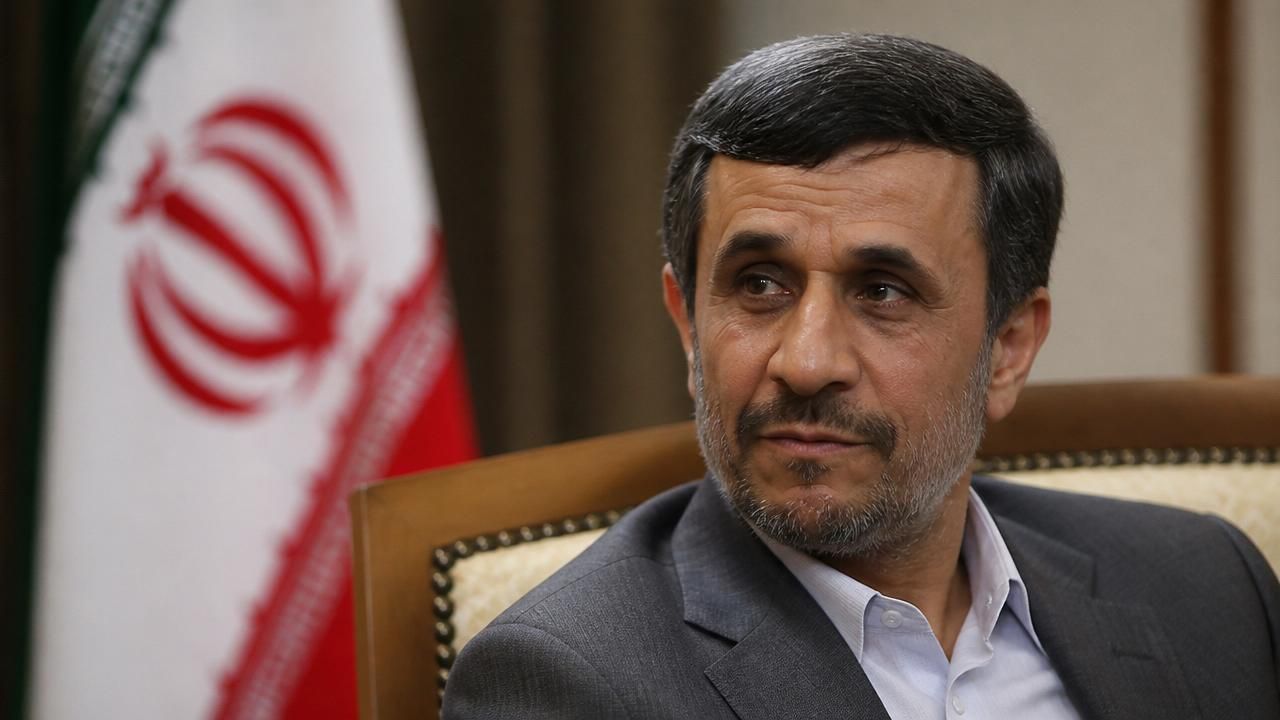
In a revelation that underscores the shadowy interplay of espionage and geopolitics, The New York Times has reported that Israel conducted a yearslong secret operation to cultivate former Iranian president Mahmoud Ahmadinejad as an intelligence asset. The plan, which aimed to extract him to an Israeli safe house during the early days of the latest Gaza war, ultimately fell apart. This disclosure comes amid a flurry of developments—from U.S. strikes in Iran to ceasefire violations with Hezbollah—that paint a volatile picture of the Middle East.
The Ahmadinejad Operation: A Covert Gamble
According to sources familiar with the operation, Israeli intelligence agencies spent years building a relationship with Ahmadinejad, the hardline Iranian president from 2005 to 2013. The goal was to turn him into a source of high-value intelligence on Iran's nuclear program and political machinations. The plan reached a critical juncture in the early days of the current war, when Israeli operatives attempted to bring Ahmadinejad to a safe house. However, the operation collapsed, with details of the failure still emerging.
“The yearslong effort to groom the former Iranian president as an intelligence asset culminated in a dramatic effort to take him to an Israeli safe house in the early days of the war. But the plan fell apart.” — NYT Politics
The collapse of this operation is a significant setback for Israeli intelligence, which has long viewed Iran as its primary adversary. The revelation also raises questions about how such a high-profile figure could be targeted and what the consequences might be for Israeli-Iranian relations.
U.S. Strikes in Iran and Regional Tensions
Meanwhile, the United States has carried out renewed strikes in southern Iran, as reported by The New York Times. The strikes come after earlier attacks in the UAE, Oman, and at sea that strained a fragile truce with Iran to the breaking point. The Trump administration, which has taken a hardline stance, demanded Iran's “unconditional surrender” but received a surprise response from Tehran, which agreed to give up enriched uranium in a deal announced by President Trump, according to U.S. officials.
Conflicting Narratives
The sources frame these events differently. Some highlight the administration's aggressive posture, while others emphasize Iran's unexpected concessions. The deal, if confirmed, would mark a major shift in the nuclear standoff, but the strikes suggest a dual-track approach of pressure and diplomacy.
Israel's Military Expansion and Ceasefire Violations
On another front, Israel is building an army base in Jenin, flouting the 1990s Oslo Accords with the Palestinians. This move has drawn criticism from Palestinian authorities and international observers. Simultaneously, the conflict with Hezbollah continues despite multiple ceasefire attempts. The Houthis in Yemen have also claimed that their prime minister was killed in an Israeli attack, further complicating the regional picture.
Domestic and International Reactions
Domestically, the Trump administration has cut refugee admissions, prioritizing white South Africans, and a Justice Department official has pushed prosecutors to investigate George Soros's foundation. In Congress, Representative Andy Barr won the Republican primary for Mitch McConnell's Senate seat in Kentucky, while Marjorie Taylor Greene also secured her primary victory, dashing establishment GOP hopes. The State Department has expanded plans for closing embassies and consulates, and U.S. troop levels in Iraq and Syria are set to drop.
Global Implications and Historical Context
The Ahmadinejad operation's failure is a reminder of the high-stakes intelligence war between Israel and Iran. It also echoes past covert efforts, such as the U.S. operation against Osama bin Laden. The broader context includes the U.S. abrupt cancellation of 4,000 troops to Poland, Xi Jinping's overtures to Putin, and Trump's new Mideast project tied to a foreign government. Meanwhile, the 14th Amendment lawsuit in Colorado seeks to keep Trump off ballots, and a massive military bunker beneath Trump's ballroom has been revealed.
Expert Views
Analysts are divided on the implications. Some argue that the Ahmadinejad operation, even in failure, signals Israel's desperation to counter Iran's nuclear ambitions. Others caution that such covert actions could escalate into open conflict. The U.S. strikes and the enriched uranium deal suggest a volatile mix of confrontation and negotiation.
Conclusion
The collapse of Israel's operation to cultivate Ahmadinejad as an asset is a dramatic subplot in the broader Middle Eastern drama. With U.S. strikes, Israeli military expansion, and ongoing proxy wars, the region remains a tinderbox. As the Trump administration pursues a mix of hardline policies and diplomatic deals, the coming months will test the resilience of ceasefires and the limits of covert action.