WASHINGTON — The Federal Reserve left its benchmark interest rate unchanged at its late-October meeting, keeping the target range at 3.75% to 4% even as inflation remained elevated and two policymakers pushed for another increase. The 10-2 vote, reported by Moneycontrol and reflected in CNBC’s live coverage, underscored how unsettled the central bank’s rate path has become: officials are not ready to declare victory over inflation, but they are also reluctant to tighten further without more evidence.
The decision was widely anticipated. NPR and WFDD reported that the Fed held rates steady ‘even as inflation remains stubborn,’ while Yahoo Finance described a ‘split decision’ driven by ‘sticky inflation.’ Investors, NPR noted, widely expect the central bank to raise rates at its next meeting in December. Hoodline went further, reporting that the Fed was set to hold in October and then hike again in December — a timeline that has become the market’s base case.
A pause with two dissents
The vote was not unanimous. Moneycontrol reported that the Fed held rates in a 10-2 decision, with two officials favoring a hike amid elevated inflation. CNBC’s live updates similarly highlighted ‘two dissenters as Fed pauses rate hikes,’ a detail that gives the central bank’s hold a hawkish undertone. The New York Times, covering the meeting live, framed the outcome as a hold ‘despite elevated inflation,’ capturing the core tension: price pressures remain too strong for comfort, but not yet strong enough to force an immediate increase.
The New York Times reported that rates would hold “despite ‘elevated’ inflation,” a phrase that captures the central bank’s awkward middle ground: inflation is still a problem, but the Fed is not yet ready to act again.
Warsh’s explanation challenge
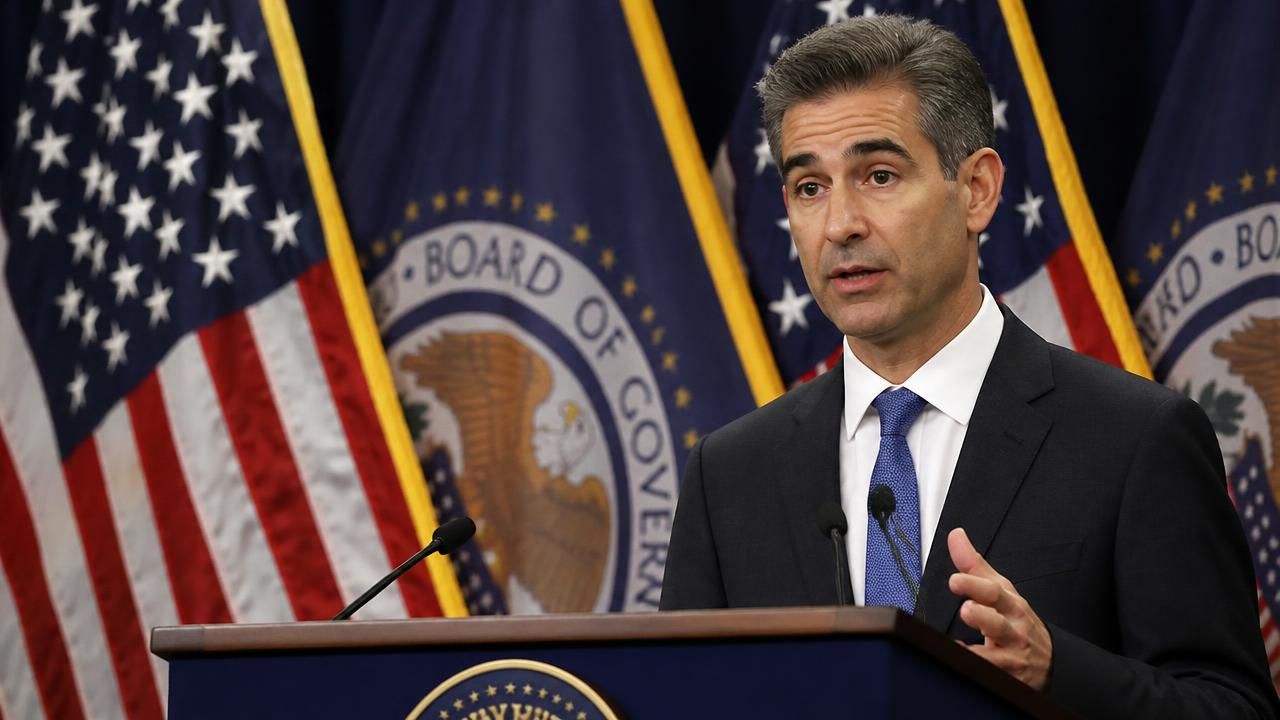
Chair Kevin Warsh now faces the task of explaining why the Fed paused while inflation remains hot. CNBC reported ahead of the decision that the Fed was expected to hold rates steady, but that Warsh ‘may point way to more hikes.’ The New York Times put it more directly: the Fed was expected to hold, and Warsh ‘will have to explain why.’ The New York Post reported that traders bet on an October hold after Warsh remained tight-lipped at a conference, suggesting markets were reading his silence as caution rather than a signal of imminent action.
Seeking Alpha framed the moment as ‘Warsh’s hawkish rhetoric meets an inflation reality check,’ while another Seeking Alpha preview said rate hikes will likely wait until December. That contrast — hawkish talk versus a patient vote — is central to how investors are interpreting the meeting. Warsh has built a reputation as a inflation hawk, but the decision shows the limits of rhetoric when officials want more data before moving.
Why the Fed held off
Several outlets emphasized that the case for a hike is real but not urgent enough for October. USA Today asked ‘why the Fed may hold off on another rate hike despite high inflation,’ while Crowdfund Insider reported that the Fed was expected to hold steady ‘even while inflation questions persist.’ MSN carried a similar framing: ‘Why the Fed Is Expected to Hold Rates Steady Despite a Case for Raising Them.’ The common thread is that the Fed is trying to avoid overtightening while it assesses whether previous rate increases are still working through the economy.
A pause also gives policymakers room to manage the communication challenge. The Fed must convince markets it is serious about fighting inflation without suggesting it has already finished. The two dissents help on that front: they signal that the committee is not uniformly dovish and that a December move remains live. At the same time, holding rates steady reduces the risk of a policy mistake if the economy is already slowing more than headline inflation data suggest.
Politics adds another layer. MSN’s live blog described Wall Street awaiting Warsh’s ‘final rate decision ahead of midterm elections.’ The timing is delicate for a central bank that guards its independence. A hold avoids an immediate political flashpoint, but it also invites questions about whether the Fed is being cautious for economic or political reasons. Warsh’s explanation will need to emphasize data dependence and the committee’s inflation-fighting credentials.
Global ripple effects
The pause resonated beyond Washington. Herald Corp reported that the Bank of Korea’s rate hike remains ‘on the table even as Fed set to hold,’ a reminder that Asian central banks are watching the dollar and capital flows as they set their own policy. El Ciudadano, meanwhile, contrasted the Fed with the European Central Bank, which has held steady, and highlighted J. Safra Sarasin’s insights amid labor-market risks. The comparisons matter for currency markets: a Fed pause can ease pressure on emerging-market currencies, but expectations of a December hike keep the dollar’s trajectory uncertain.
For U.S. households and businesses, the hold means little immediate relief. Mortgage rates, credit-card costs and business loans remain tied to a restrictive benchmark. Savers may continue to benefit from elevated deposit rates, but borrowers face a longer wait for meaningful relief. The December meeting is now the next major checkpoint, and the two dissents ensure that the case for a hike will not disappear quietly.
What to watch next
- December meeting: Investors widely expect a rate increase then, according to NPR, and Hoodline reported that a December hike is the likely follow-up to an October hold.
- Inflation data: The Fed’s next move will depend on whether price pressures remain ‘sticky’ or begin to cool.
- Dissents: The two votes for a hike signal that Warsh may face pressure to act sooner rather than later.
- Global central banks: The Bank of Korea and the ECB are among those watching the Fed’s path as they weigh their own policy choices.
For now, the Fed has chosen patience over action. But with inflation still elevated, two dissenters on the committee and markets primed for a December hike, the pause is less a declaration of victory than a holding pattern — one that Warsh will have to defend in the weeks ahead.