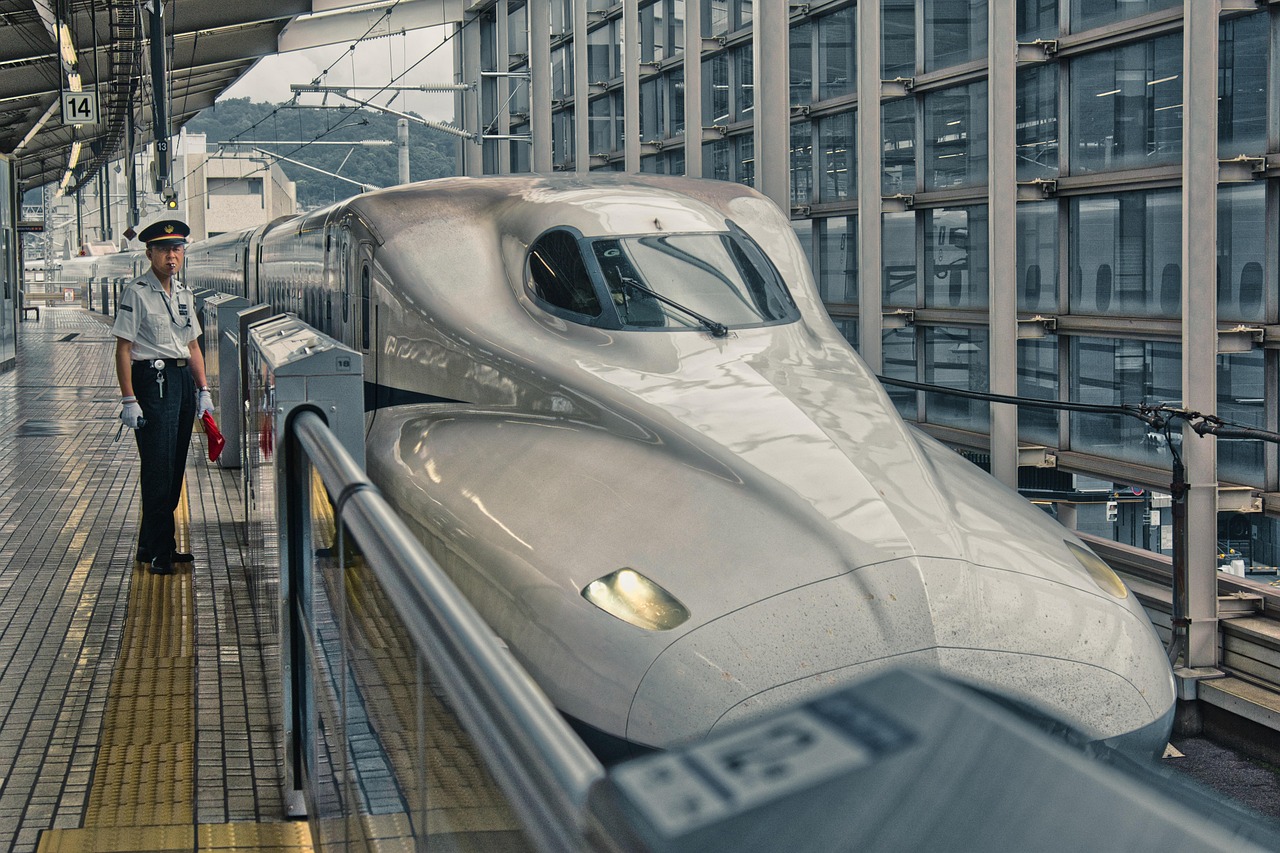
A high-speed passenger train collided with the rear of another train that had come to a stop on the same tracks south of Madrid on Sunday, derailing at least two carriages and killing at least 68 people, according to Spanish officials. More than 100 others were injured, dozens of them seriously, in what immediately became one of the deadliest rail disasters in modern Spanish history.
The two trains were carrying more than 500 passengers combined when the impact occurred in Toledo province, according to accounts carried by multiple outlets. Aerial footage described by USA Today and other broadcasters showed derailed carriages jackknifed across the track bed, with emergency crews working through the wreckage as helicopters circled overhead.
How the Collision Unfolded
According to early accounts, the striking train was traveling at high speed when it ran into the rear of a train that had stopped on the line. The force of the impact derailed two cars and scattered debris along the corridor, suspending regional rail services in the area. Fox News reported that the crash occurred after a train stopped on the tracks; NPR described the same sequence, noting that the moving train "slammed into the rear of another train that had stopped south of Madrid."
Rescue operations continued for hours, with emergency services working to reach passengers trapped in the wreckage. Hospitals in the region were placed on alert to receive the injured, and officials warned that the casualty figures could still change.
A Toll That Rose Through the Day
The reporting that followed the crash illustrated the confusion that typically accompanies a mass-casualty event. Early wire and aggregator reports carried figures as low as 10 dead, attributed to local media, before regional officials confirmed at least 30 fatalities, then 50, then 64, and finally at least 68. The New York Times ran rolling live updates as the number climbed; CBS News reported "at least 64" citing authorities; the BBC and others settled on 68. The Guardian and the German broadcaster DW likewise converged on dozens killed as the confirmed toll hardened.
The divergence in numbers was not unusual in the first hours of a disaster, but it underscored how rapidly the story moved across more than 20 outlets, from legacy broadcasters and wire services to aggregators that carried only headline-level detail. Several sites — including Pakistani, Filipino and aggregator outlets — published only partial accounts or were blocked behind paywalls and verification screens, leaving readers with fragmentary versions of the same event.
'The Whole Country Is Grieving'
Spain's prime minister addressed the nation as the scale of the disaster became clear, striking a somber note that the BBC placed at the center of its coverage.
"The whole country is grieving," the prime minister said, according to BBC News.
Regional leaders also spoke publicly, with the BBC reporting early statements from a regional official confirming at least 30 dead and dozens seriously injured before the national toll was updated. Flags were expected to be lowered, and political leaders across parties expressed condolences, in keeping with the consensus that typically follows national tragedies.
Second Fatal Crash This Year
Perhaps the most consequential thread in the coverage came from The Guardian, which framed the disaster as the second fatal train collision this year — a detail also carried by NPR — and asked whether Spain's celebrated high-speed rail network, long a point of national pride and a model for European infrastructure, faces systemic safety questions. The paper's headline put it bluntly: "Second fatal train collision this year casts doubt over Spain's high-speed rail network."
Spain operates one of the most extensive high-speed rail systems in Europe, and its safety record has historically been strong in comparison with road transport. But a second fatal collision within a single calendar year shifts the story from an isolated accident to a question of maintenance, signaling, and operational protocols — the subjects likely to dominate the investigation ahead.
What We Know — and What We Don't
- Where: Toledo province, south of Madrid, on a high-speed corridor. Some early reports placed the location imprecisely; Fox News described it as a crash in Toledo, Spain.
- What: One high-speed train struck the rear of a stationary train, derailing at least two carriages.
- Toll: At least 68 dead and more than 100 injured, per officials cited by the New York Times, BBC, MSN and others. Early figures ranged from 10 to 64 as reports developed.
- Passengers: More than 500 combined aboard the two trains.
- Disruption: Regional rail services suspended; investigations into signaling and traffic management under way.
Implications
The crash lands at an awkward moment for Spain's transport authorities, coming after an earlier fatal collision this year and amid continued investment in high-speed links. The investigation is likely to focus on why a train was stationary on a line that carries high-speed traffic, and whether warning systems functioned as intended — precisely the questions regulators will face from grieving families and from a public accustomed to treating rail travel as the safest option on the board.
For now, the immediate story remains one of loss: hundreds of passengers, dozens of families, and a country in mourning.