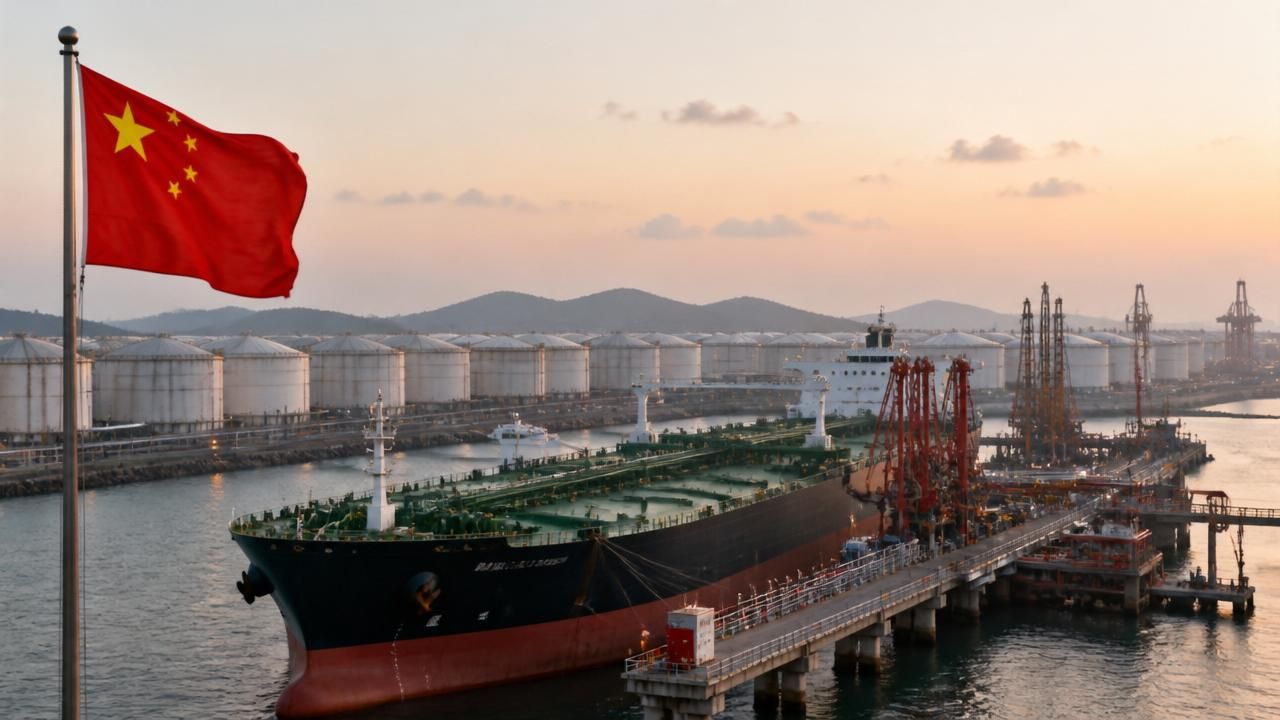
China, the world's largest crude oil importer, is on the verge of a significant recovery in its oil purchases, signaling a shift from a period of reduced imports and strategic stockpile draws. According to a Bloomberg Markets report, analysts and traders anticipate a return to strategic stockpiling later this year as Beijing relaxes fuel export curbs and raises refinery run rates. This development comes amid a complex geopolitical backdrop, including the Iran crisis and fluctuating global oil markets.
From Slump to Surge: The Turning Tide
China's crude imports have been in a months-long slump, but the tide is turning. The country is now snapping up prompt Middle East supplies, with JPMorgan forecasting that China will return as a major oil buyer in August. The bank has also named its top stock picks in the sector, including PetroChina and LG Chem, according to a CNBC report (though access was restricted). This rebound is driven by a combination of factors: relaxed fuel export restrictions, higher refinery runs, and the resumption of strategic petroleum reserve (SPR) filling.
Historically, China has used periods of lower prices to build its strategic stockpiles. The country's SPR capacity is estimated at over 1 billion barrels, and it has been actively managing these reserves. During the Iran crisis, which cut imports from Tehran in half, China drew down its billion-barrel stockpile to cushion the impact, as reported by MSN and OilPrice.com. Despite the import plunge, China continued to boost its stockpiles in April, according to MSN, underscoring the strategic importance of energy security.
Geopolitical Context: The Iran Factor
The Iran crisis has been a major disruptor. While the world scrambled for oil, China sat on full tanks, according to a New York Times article. But as the crisis eased, Beijing began to draw down its reserves. However, with tensions persisting, China's strategy has been to maintain a buffer. The New York Times also noted that China can move the price of oil even by not buying, highlighting its market influence. By reducing purchases, China can depress prices; conversely, a return to buying can lift them.
OilPrice.com reported that China boosted oil stockpiles despite the import plunge, indicating a deliberate policy to secure supplies. This dual approach—drawing down reserves during shortages and rebuilding when possible—demonstrates a sophisticated energy strategy.
Market Implications and Expert Views
The return of Chinese buying is expected to support oil prices, which have been volatile due to geopolitical risks and demand uncertainties. JPMorgan's forecast aligns with Bloomberg's analysis that stockpiling will resume. Traders are watching for signs of increased Chinese purchases, which could tighten the global market.
Experts point out that China's actions are not just about price but about long-term energy security. "China's strategic stockpiling is a key tool in its energy policy," said an analyst quoted by Bloomberg. "By building reserves when prices are low, they insulate themselves from supply shocks."
The implications for global oil markets are significant. A return to Chinese buying could absorb excess supply from producers like Saudi Arabia and Russia, potentially lifting prices. Conversely, if China's recovery falters, it could keep a lid on prices.
Conclusion
China's oil import recovery is a multifaceted story of strategic stockpiling, geopolitical maneuvering, and market influence. As the country resumes its role as a major buyer, the world will be watching closely. The coming months will reveal whether this rebound is sustained or a temporary blip in a volatile market.