Australia is preparing to strengthen its laws banning children from social media platforms, responding to mounting evidence that the existing legislation has failed to prevent underage access. The move, reported by multiple outlets on Friday, signals a significant escalation in the government's efforts to protect minors online.
Background of the Ban
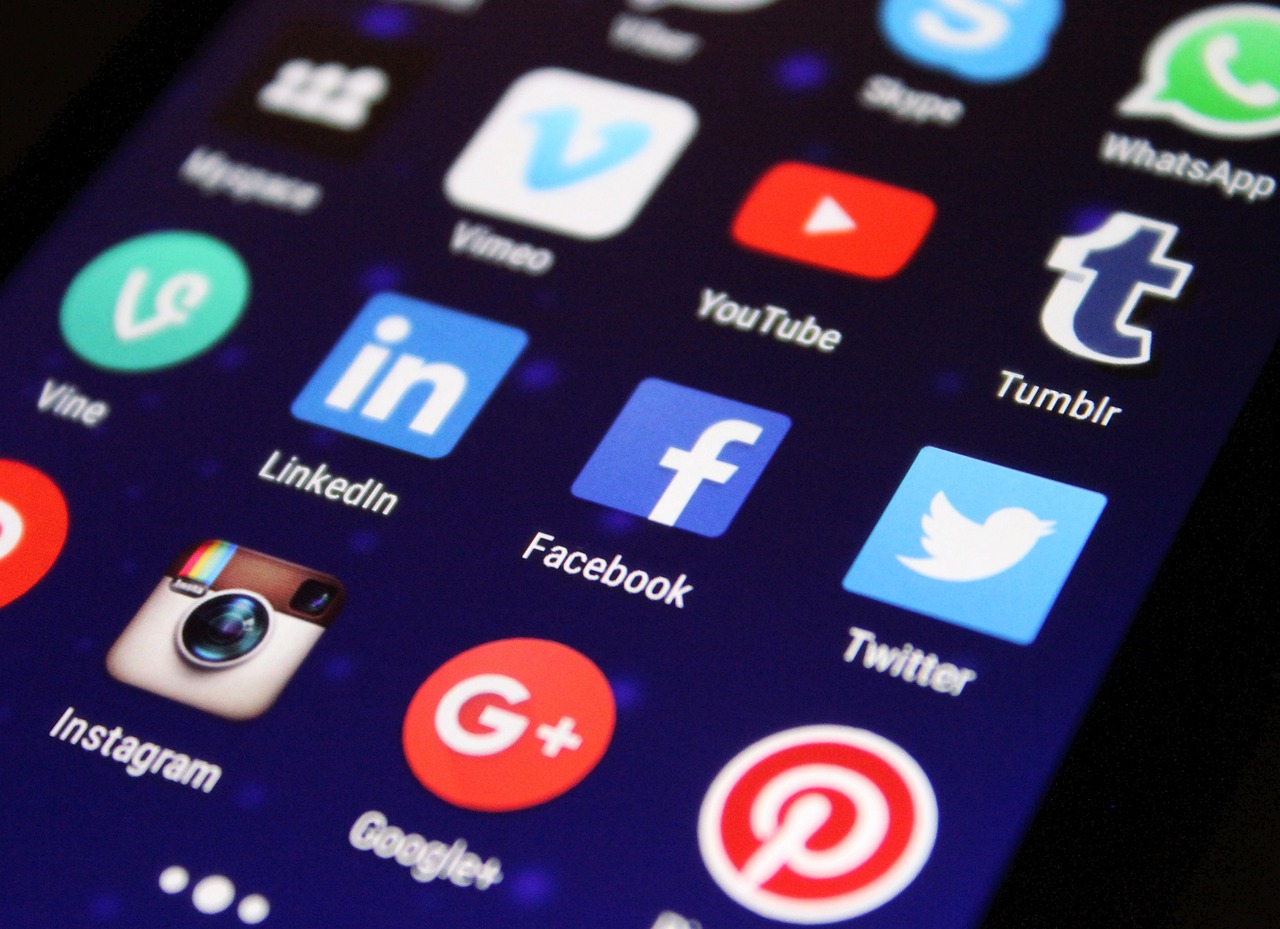
The original ban, which came into force in December of last year, prohibits children under a certain age from holding accounts on major platforms such as Facebook, Instagram, and YouTube. However, observers have noted widespread non-compliance, with many young users easily bypassing age verification measures. The government's decision to toughen the laws follows a review that highlighted the ban's ineffectiveness.
"Observers said on Friday the government is responding to evidence that the ban on young children holding accounts on platforms including Facebook, Instagram and YouTube had failed since it came into force in December," reported NPR News.
Planned Reforms
While specific details of the strengthened laws have not yet been released, sources indicate that the government is considering stricter enforcement mechanisms, including heavier penalties for platforms that fail to comply and more robust age verification technologies. The inkl.com report, titled "Australia pledges tougher enforcement of social media ban for teens," suggests that the government is committed to closing loopholes that have allowed children to circumvent the ban.
International Context
Australia's actions come amid a global push to regulate children's access to social media. Countries like the United Kingdom and the European Union have introduced similar measures, though enforcement has proven challenging worldwide. The Australian government's renewed focus on this issue reflects growing public concern about the impact of social media on young people's mental health and safety.
Challenges and Criticisms
The existing ban has faced criticism from both civil liberties groups and tech companies. Critics argue that age verification requirements can infringe on privacy and that blanket bans may not be the most effective approach. Some experts advocate for digital literacy education and parental controls instead. However, the government appears determined to press ahead with stricter rules, citing the need to protect vulnerable children from online harms.
Data from the Australian eSafety Commissioner shows that a significant number of children under the age of 13 continue to use social media despite the ban. This has prompted calls for more proactive measures, including the use of artificial intelligence to detect underage users and mandatory reporting of violations.
What's Next?
The government is expected to introduce the amended legislation in parliament within the coming months. A consultation process with stakeholders, including social media companies, child safety advocates, and parents, is likely to precede the final draft. The strengthened laws will aim to create a safer online environment for Australian children while balancing the interests of free expression and technological innovation.
As the debate continues, all eyes will be on Australia to see whether its revamped approach can succeed where the initial ban fell short. The outcome could set a precedent for other nations grappling with the same issue.