Global bond markets are convulsing. Treasury yields have surged to levels not seen in years, with the two-year note hitting its highest since early 2025 and the 30-year bond flirting with 5% — a threshold not breached in nearly two decades. The sell-off, fueled by a potent mix of geopolitical tensions, sticky inflation, and mounting fiscal concerns, is rippling from Washington to London, Paris, and beyond.
The Yield Spike in Numbers
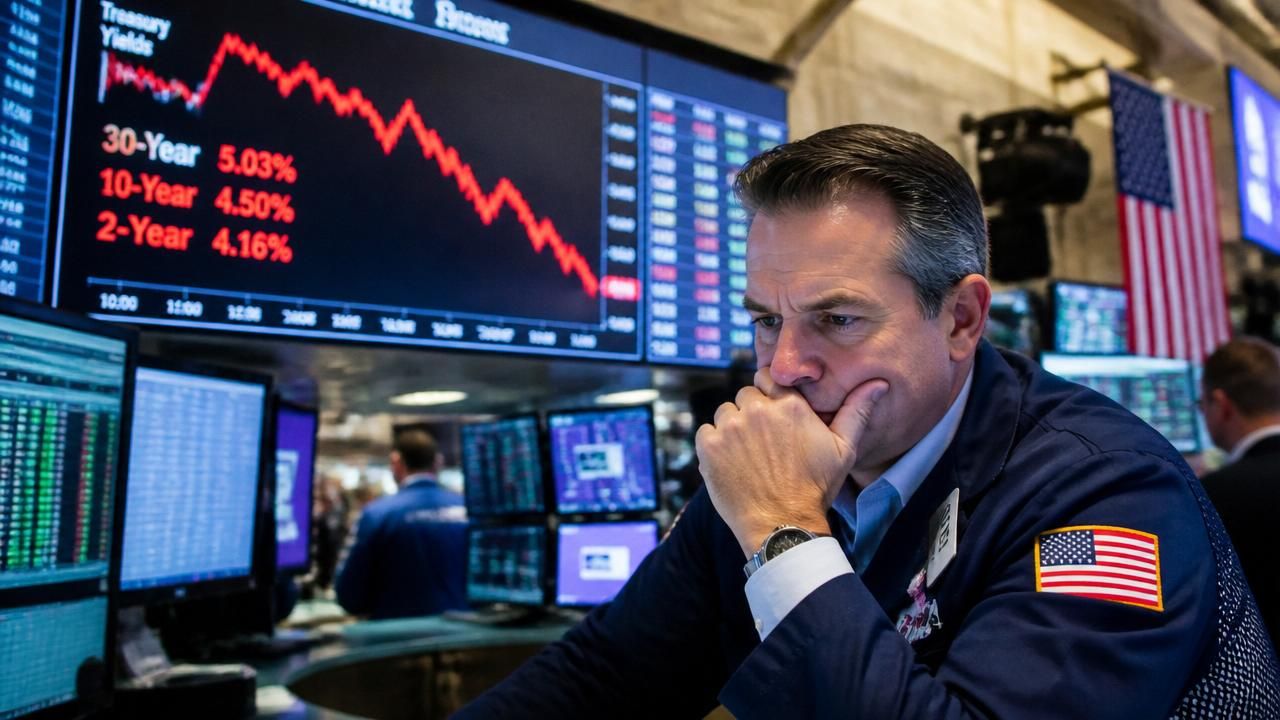
The two-year Treasury yield climbed to 4.160% this week, its highest settlement since February 2025, according to Morningstar data. The 10-year yield pushed toward 4.5%, while the 30-year bond surged to 5.03%, its highest level since 2007, as reported by Seeking Alpha and Wolf Street. In the UK, 30-year gilt yields hit their highest this century, surpassing 5.1%, and French borrowing costs reached their highest since 2009. The moves represent a dramatic repricing of risk across developed-market sovereign debt.
What’s Driving the Sell-Off?
Geopolitical Flashpoint: Iran
Renewed tensions in the Middle East have sent oil prices soaring, stoking fears of a supply shock that could reignite inflation. Bloomberg reported that the two-year yield rose to its highest in over 16 months as the Iran stalemate lifted crude. The Star (Malaysia) and other outlets echoed this, noting that geopolitical risk is a key driver. The situation escalated to what some outlets call a "Gulf War reheat," with Turkey reportedly dumping nearly all its U.S. Treasury holdings, according to Türkiye Today.
Inflation Persists
Despite the Federal Reserve’s rate cuts, inflation remains stubbornly above target. Data released this week showed the highest inflation since 2023, per MSN. This has forced markets to reassess the path of monetary policy. The Fed held rates steady at its June meeting but projected a hike later this year, a hawkish shift that Reuters attributed to new Fed Governor Warsh’s debut meeting. The bond market is now pricing in a higher-for-longer rate environment.
Fiscal Fears and Supply Glut
Investors are increasingly worried about swelling government deficits. The U.S. sold $654 billion in bonds at the highest yields since 2025, per IDN Financials. The Kansas City Fed warned that higher Treasury supply is likely to put upward pressure on interest rates. In the UK, borrowing costs hit a 27-year high, adding pressure on Chancellor Reeves, the BBC reported. The sell-off was exacerbated by mortgage investors hedging against rising yields, Reuters noted.
Global Ripple Effects
The yield surge is not confined to the U.S. UK gilt yields have soared, with the 30-year at its highest this century, and the pound dropping sharply, Sky News reported. French debt costs climbed to a 15-year high, Le Monde noted. Canada has also seen bond yields rise, Morningstar observed. The Economist described the phenomenon as a global bond market convulsion, driven by a common set of fears: inflation, deficits, and geopolitical instability.
Impact on Markets and Consumers
Equity markets have taken a hit. The S&P 500 snapped a nine-week winning streak, and the Nasdaq ended 4% lower, with tech stocks plunging, Investopedia reported. Bitcoin dropped below $60,000. Gold rose on a weaker dollar but gains were limited by rising yields, per Reuters. For consumers, higher yields translate into higher mortgage rates — now around 6.5% — and increased borrowing costs for cars, credit cards, and student loans. Yahoo Finance highlighted how soaring yields could impact household finances.
Expert Views and Differing Perspectives
Some analysts see the yield spike as a temporary reaction to geopolitical shocks. Others warn of a structural shift. A Reuters poll found that long Treasury yields are expected to stay elevated as inflation and debt pressures blunt Fed easing. Morningstar argued that investors should embrace elevated bond yields as an opportunity, while Wolf Street described the market as “edgy about inflation and supply.” The Bipartisan Policy Center linked rising deficits to higher education costs and wealth building challenges.
What Comes Next?
Markets are now bracing for the 10-year yield to test 5%, a level that could trigger further volatility. The Treasury’s upcoming auctions will be closely watched as a gauge of demand. The Fed faces a delicate balancing act: cutting rates to support growth while inflation remains above target. As one Reuters headline put it, “Treasury yield surge reflects expectations of more long-term debt.” The bond market is sending a clear signal: the era of cheap money is over, and the adjustment is proving painful.