JERUSALEM — Israelis vote on Oct. 27 in the country's first national election since the Hamas-led attack of Oct. 7, 2023, a contest that has swiftly become less a debate over policy than a referendum on Prime Minister Benjamin Netanyahu himself. With his legacy, his coalition and — his critics argue — his legal fortunes on the line, the prime minister is fighting for survival against an opposition that believes it can finally assemble a parliamentary majority to end his long rule.
The scale of what is at stake has been framed differently by nearly every outlet covering the race. The New York Times has centered its coverage on the man who has emerged as Netanyahu's principal challenger; The Associated Press has emphasized the "scars from Oct. 7" that fuel deep divisions over the prime minister; CNBC has focused on how war, security and coalition arithmetic are shaping the campaign; and outlets from Newsday to The Media Line have cast the vote as a reckoning for the longest-serving leader in Israeli history.
A Referendum on Oct. 7
Nearly three years after the attack that shattered assumptions about Israel's security establishment, the event remains the organizing fact of Israeli politics. Both Netanyahu and his opponents have put Oct. 7 at the heart of their campaigns — the prime minister arguing that continuity and experience are indispensable in wartime, his rivals insisting that accountability for the worst intelligence and military failure in the country's history cannot be deferred any longer.
That framing has turned the election into what several analysts describe as a plebiscite on leadership rather than a conventional left-versus-right contest. The Associated Press reported that the divisions are unusually personal and unusually raw, cutting across traditional party lines and reaching into communities that once formed Netanyahu's most reliable base.
Eisenkot: The General Turned Challenger
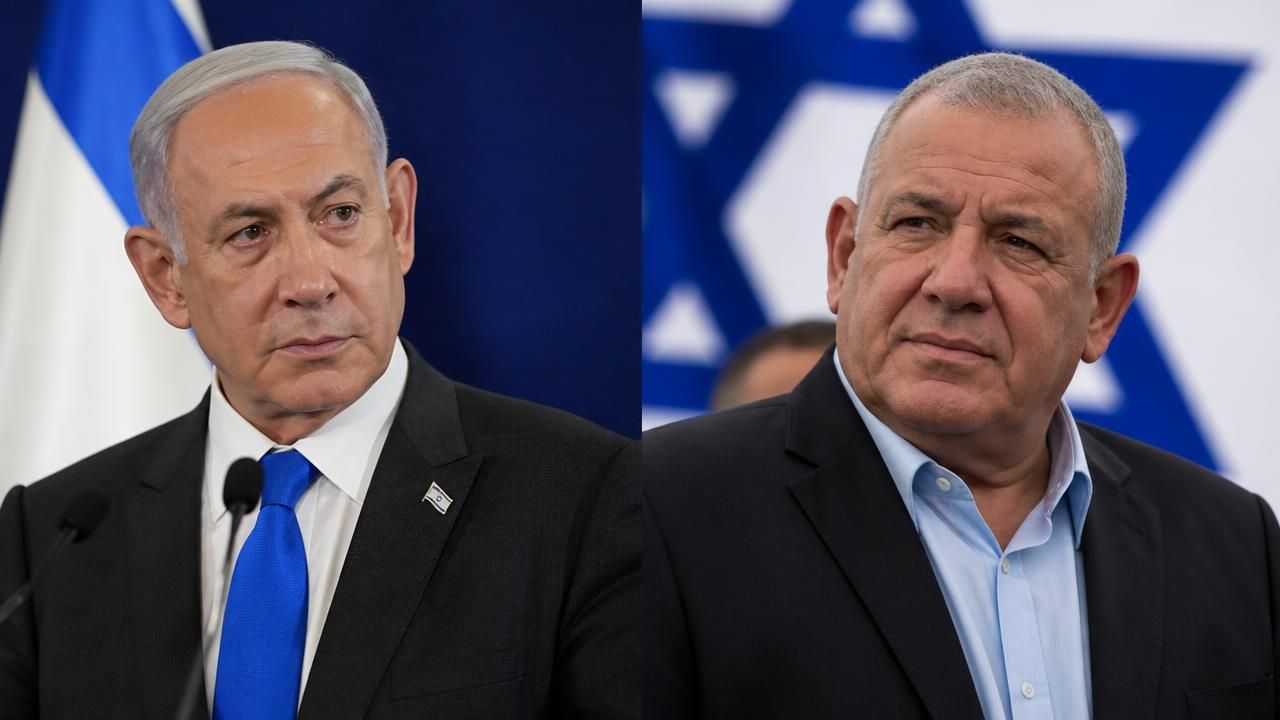
The New York Times' Jerusalem bureau chief, David Halbfinger, has identified Gadi Eisenkot, the former Israel Defense Forces chief of staff, as Netanyahu's main opponent, and has described why the retired general is resonating with Israeli voters. Eisenkot's appeal rests on a distinctive profile: a security hawk with unimpeachable military credentials who is nonetheless positioned outside Netanyahu's governing bloc, allowing him to compete for voters who trust neither the prime minister nor the traditional left.
Halbfinger's reporting frames the contest as a choice about Netanyahu's record rather than ideology — with Eisenkot drawing support from Israelis who say the country needs both military experience and a break from the current leadership.
Other candidates and party leaders round out a crowded field, and multiple outlets have published guides to the major contenders and the key parties, reflecting how fragmented the Israeli party system has become. No single bloc appears positioned for a decisive win, and surveys have pointed to a tight race in which a handful of seats could determine who gets the first opportunity to form a government.
War, Conscription and Ethnic Tension
Beneath the referendum framing, concrete issues are driving votes:
- Security and the wars: The campaigns are being conducted against the backdrop of ongoing conflict, with Gaza, Iran and the regional confrontation shaping both the agenda and the electorate's mood.
- Haredi conscription: The long-simmering dispute over drafting ultra-Orthodox men into the military has moved to the center of the campaign, exposing tensions inside Netanyahu's own coalition.
- Ethnic and social tensions: Divisions between Israel's Jewish and Arab citizens, and among Jewish religious and secular communities, have surfaced repeatedly in campaign messaging.
- Cost of living and governance: Economic pressure and distrust of state institutions remain powerful undercurrents.
The Coalition Math
Because Israel elects the Knesset by proportional representation, no candidate wins the premiership directly. The real contest is over blocs — and here Netanyahu faces a structural problem. His allies have signaled maximal demands in exchange for their support, while the opposition's central question, as several outlets have framed it, is whether it can secure a parliamentary majority at all, given the number of parties and the narrow margins involved.
Outlook India reported that Netanyahu's fight to stay in power goes beyond simply winning the election, pointing to the coalition negotiations, political constraints and legal exposure that would follow any result. Even a plurality may not translate into a governing mandate.
Trump Weighs In
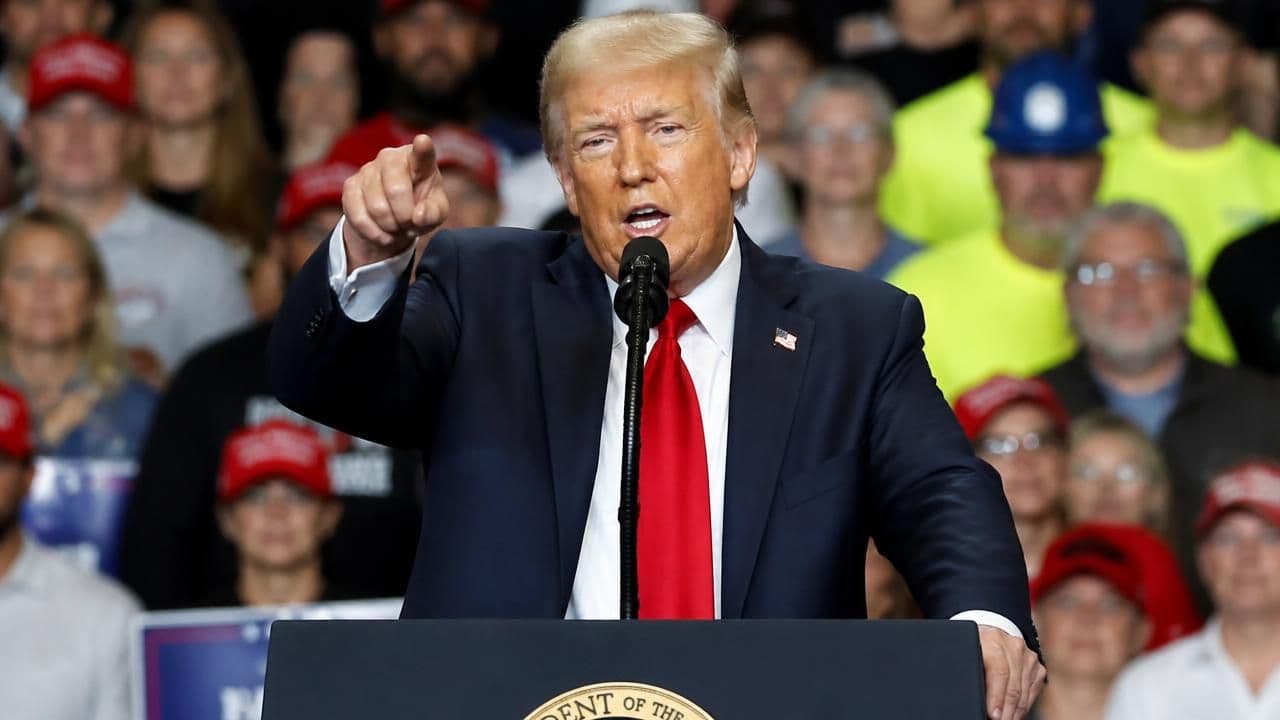
The race has also drawn in Washington. According to reports, Netanyahu has pleaded with President Donald Trump to go to bat for him ahead of the close vote — an extraordinary intervention in a foreign election. Trump has publicly called on Israelis to re-elect Netanyahu, arguing that the two leaders should be able to "finish the job" in Iran.
"Finish the job" in Iran — Trump's appeal to Israeli voters, as reported by the Daily Mail, underscores how tightly the Israeli campaign has become bound up with U.S. policy in the region.
The endorsement cuts both ways. It may energize voters who see a close personal relationship with the White House as a strategic asset; it may equally alienate Israelis who resent outside interference or who blame the prime minister for aligning Israel's fortunes so closely with one American political camp.
Ben Gvir's Demands Rejected
In the campaign's final stretch, The Media Line reported that Netanyahu rejected cabinet demands from Itamar Ben Gvir, his hard-right national security minister, illustrating the fragility of the coalition even before ballots are cast. The episode captures the central tension of Netanyahu's strategy: he needs his far-right partners to assemble a majority, but their demands complicate his effort to appeal to the broader electorate he needs to win one.
What's at Stake
For Israel's allies and adversaries alike, the outcome will signal the direction of the country's war policy, its approach to Gaza and Iran, and the durability of its democratic institutions after an unprecedented period of polarization. For Netanyahu, the vote is a judgment on his record. For his opponents, it is an opportunity — one that depends less on persuasion than on arithmetic, and on whether a fractured opposition can finally convert voter fatigue into a governing majority.
The polls close on Oct. 27. The count may take days, the coalition talks weeks or months. But one question will be answered first: whether Israel's voters intend to turn the page, or to keep it open.