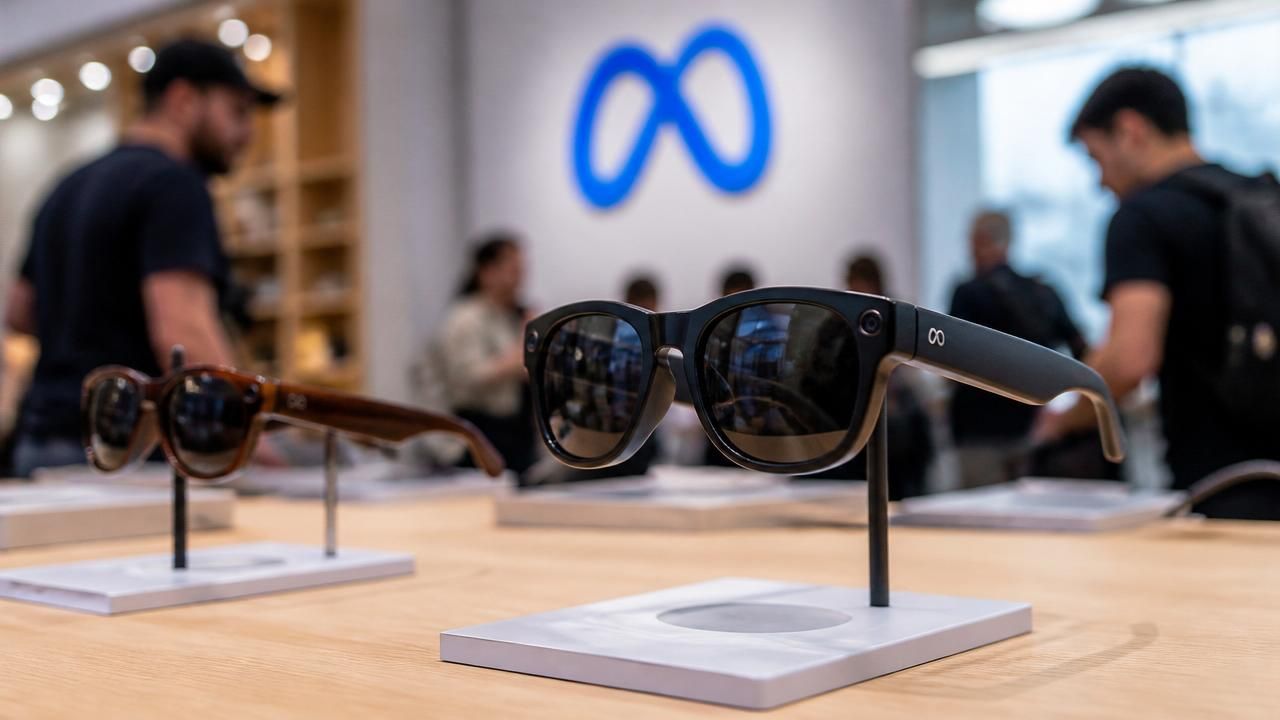
The smart glasses market is heating up as Meta pushes aggressively to make AI-powered eyewear mainstream. From a $299 standalone model to free glasses for blind veterans, Meta is broadening its reach. But not everyone is on board: pop star Lorde recently called out the devices on stage, questioning their impact on authenticity. Meanwhile, competitors like Huawei, Rokid, and Apple are entering the fray, promising features that Meta's Ray-Ban collaboration lacks.
Meta's Expanding Smart Glasses Lineup
Meta has launched its own-brand AI glasses at $299, undercutting the Ray-Ban Meta collaboration. According to multiple reports, the new model offers the same core technology—a 12MP camera, open-ear speakers, and Meta AI integration—but without the Ray-Ban branding and premium price tag. The move is seen as a bid to capture a broader audience, especially those who balked at the Ray-Ban tax.
“The new Meta-branded glasses are essentially the same device, just without the designer label,” noted a tech analyst. “This could be a game-changer for mass adoption.”
In a separate initiative, Meta is giving free AI glasses to every blind veteran in America. The program, reported by The Next Web, aims to assist visually impaired individuals using AI-powered object recognition and navigation features.
“This is a remarkable step toward inclusive technology,” said a spokesperson for a veterans' organization. “It shows that AI glasses can be more than a novelty—they can be a lifeline.”
Lorde's Onstage Protest
Not everyone is celebrating. During her set at the Real Cool Festival in Madrid, Lorde paused to criticize AI glasses, likely referencing the Ray-Ban Meta devices. Without naming brands, she lamented the blurring of real and artificial, saying, “You don't know if someone is wearing sunglasses or if they're wearing those fucked up fucking…” The crowd cheered as she called for more authentic experiences. The Verge captured the moment, noting that Lorde's comments highlight growing unease about surveillance and authenticity in public spaces.
This backlash echoes broader controversies. A source from MSN compiled a list of concerns, including privacy risks from always-on cameras, potential misuse by stalkers, and the ethical implications of AI-powered recording in sensitive settings.
“Every pair of smart glasses is a potential surveillance device,” warned a privacy advocate. “We need clear rules before this technology becomes ubiquitous.”
Competitive Landscape Heats Up
Meta is not alone in the smart glasses race. Huawei has unveiled its own AI glasses with a 12MP camera, offering features that Meta's Ray-Ban collaboration lacks, such as better battery life and integration with Huawei's ecosystem. According to Geeky Gadgets, Huawei's entry could challenge Meta's dominance, especially in Asian markets.
Rokid, a Chinese startup, has also made waves with its AI glasses, which a reviewer wore for 30 days. The verdict: “Ray-Ban Meta should be worried.” Rokid's glasses offer a more stylish design and superior AR capabilities, though they lag in AI assistant integration.
Meanwhile, Apple is reportedly developing AI-powered AirPods and sunglasses to compete directly with Meta. The New York Post reported that Apple's entry could redefine the category, leveraging its vast ecosystem and design prowess.
“Apple's move signals that smart glasses are no longer a niche product,” said a market analyst. “They are becoming a core part of the wearable tech landscape.”
What's Next for Meta's AI Glasses?
Meta is reportedly working on next-generation glasses with “always-seeing, always-hearing” capabilities, powered by advanced AI super-sensing. While this promises even more seamless integration, it also raises the stakes for privacy concerns. The company is walking a tightrope between innovation and public trust.
For now, the $299 Meta-branded glasses offer a compelling entry point for consumers curious about AI eyewear. Reviews from Popular Mechanics praise the Ray-Ban Meta Scriber Gen 2 as “practical, imperfect,” highlighting its utility for hands-free tasks like messaging and navigation, while noting the camera and speaker quality remain middling.
As the market evolves, one thing is clear: smart glasses are here to stay. Whether they become a ubiquitous accessory or a niche gadget depends on how companies like Meta address privacy, design, and cost. Lorde's protest may be a passing moment, but it underscores the cultural friction that accompanies technological leaps.