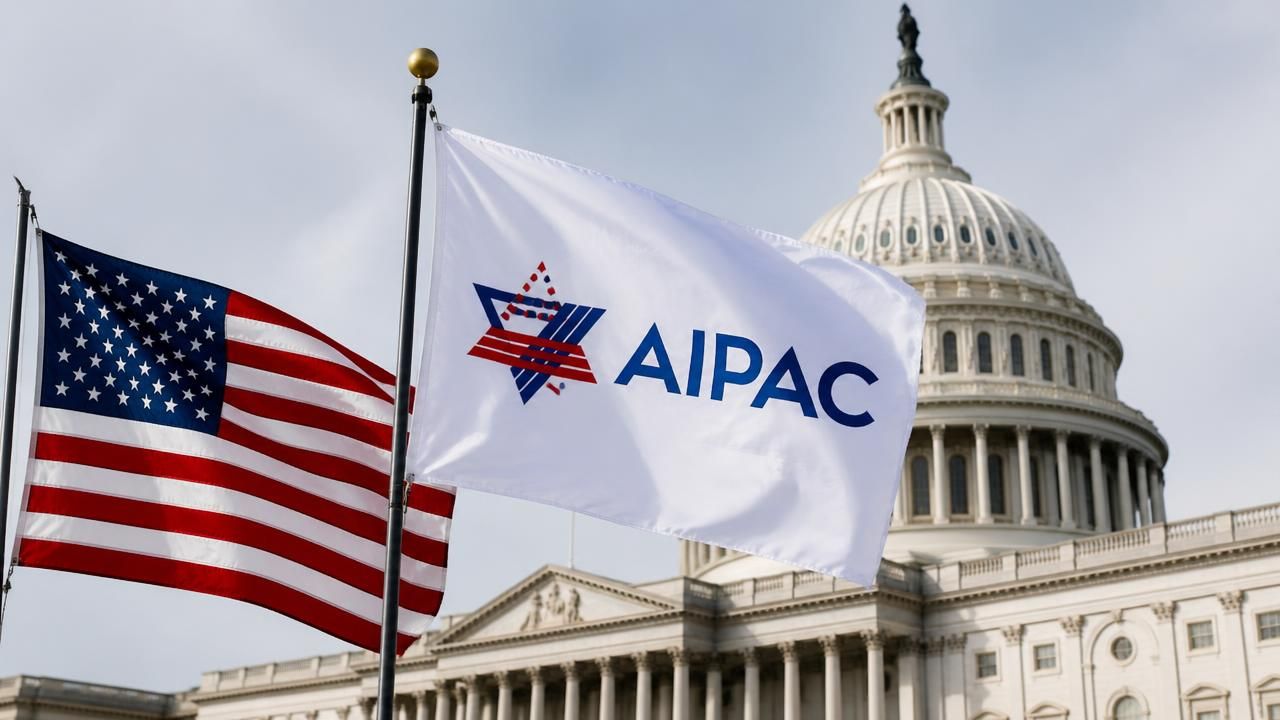
AIPAC, one of the most influential and heavily scrutinized forces in American campaign finance, announced it will stop formally endorsing candidates and cease making direct contributions to campaigns, citing what it called the "challenges" of the coming 2026 election cycle. The group said it would instead mobilize its membership to give individually — a shift that preserves its political footprint while removing its name from the most visible forms of candidate backing.
The decision, first reported by NPR Politics and carried by a range of outlets including MSN and Cleveland Jewish News, marks a notable turn for an organization that has spent years building a reputation as a bipartisan powerhouse in congressional primaries. AIPAC will not, according to the reporting, abandon electoral politics altogether: its affiliated super PAC will remain active, even as the group's official endorsement and direct-donation machinery is wound down.
What Actually Changes
Under the new posture, AIPAC will no longer issue formal endorsements of candidates or route money directly from its political action committee into congressional campaigns. Instead, the group plans to encourage members to contribute to candidates individually — a bundling-style approach that keeps supporters engaged without the organization itself formally anointing winners and losers.
The distinction matters legally and politically. Direct PAC contributions are capped and disclosed in a specific way, while individual member giving is dispersed across thousands of donors. Perhaps most consequentially, the super PAC — the vehicle that allows unlimited independent expenditure — stays in place. As one headline summarizing the move put it, AIPAC "ends direct donations to US congressional candidates, will maintain super PAC."
The organization pointed to "challenges" in the 2026 election cycle as its rationale for stepping back from formal endorsements and direct candidate contributions — language that leaves considerable room for interpretation.
One Announcement, Several Framings
How the story has been told depends heavily on where it was told. NPR's account, echoed by North Country Public Radio, framed the news in the group's own terms: a strategic recalibration, with AIPAC choosing to "mobilize its members to give individually" rather than channel money through official endorsements.
Other outlets sharpened the edge considerably. One MSN headline described the group as having "retreats from candidate endorsements and direct giving as political backlash grows," while another framed it more neutrally as AIPAC ending direct donations while preserving its super PAC. A third characterized the shift as AIPAC stopping official endorsements "following criticism." The gap between "citing challenges" and "retreating amid backlash" is the central interpretive fault line in coverage of the announcement, and neither the group nor its critics have fully settled it.
The Backdrop: A Lobbying Giant Under Pressure
AIPAC's electoral profile expanded dramatically over the past several cycles. Through its affiliated super PAC, United Democracy Project, the organization became one of the largest outside spenders in Democratic primaries, pouring tens of millions of dollars into races and helping defeat candidates it deemed insufficiently supportive of Israel. That spending made AIPAC a household name in political circles and a lightning rod for progressive groups, who argued the organization was distorting primaries and drowning out grassroots voices.
Since the war in Gaza began, that criticism intensified. Progressive candidates, grassroots organizations and some Democratic voters have made AIPAC's role in primaries a central campaign issue, and several 2024 races became referenda on the group's influence. At the same time, the organization has faced pressure from the opposite direction, with some supporters questioning whether its electoral spending was producing the intended results.
Against that backdrop, the phrase "challenges" in AIPAC's statement reads differently depending on the audience: as prudent resource management to sympathizers, as damage control to critics.
Why a Super PAC Still Matters
For all the attention paid to endorsements, they were never AIPAC's most powerful tool. Independent expenditures through a super PAC can be deployed late in a primary, at scale, and without the coordination limits that bind campaigns. If United Democracy Project remains operational, the group retains the ability to shape races — just with less of its own branding attached to individual candidates.
That structure also carries political benefits. An endorsement is a formal, quotable act that invites direct confrontation from opponents; member-to-member giving is diffuse and harder to picket. In effect, the group may be trading visibility for flexibility.
What It Means for 2026
The practical consequences will unfold over the next 18 months. Several questions will determine whether this is a tactical pause or a genuine reordering of AIPAC's role in American politics:
- Will the super PAC spend at 2024 levels? Reporting confirms it will be maintained, but not how aggressively it will be used.
- Can member mobilization replace institutional giving? Bundled individual donations can rival PAC money, but they depend on sustained grassroots enthusiasm.
- How will candidates respond? Without formal endorsements, some candidates may find it easier to accept AIPAC-aligned support — and harder for opponents to attack them for it.
- Will critics claim vindication? Progressive groups that spent years targeting AIPAC's primary spending are likely to cast the announcement as proof their pressure worked.
For now, the group's own framing remains the official record: a deliberate adjustment to a difficult cycle, not a surrender. But in Washington, the meaning of a lobbying giant's retreat from direct candidate politics is rarely settled by the press release — it is settled by the next election.