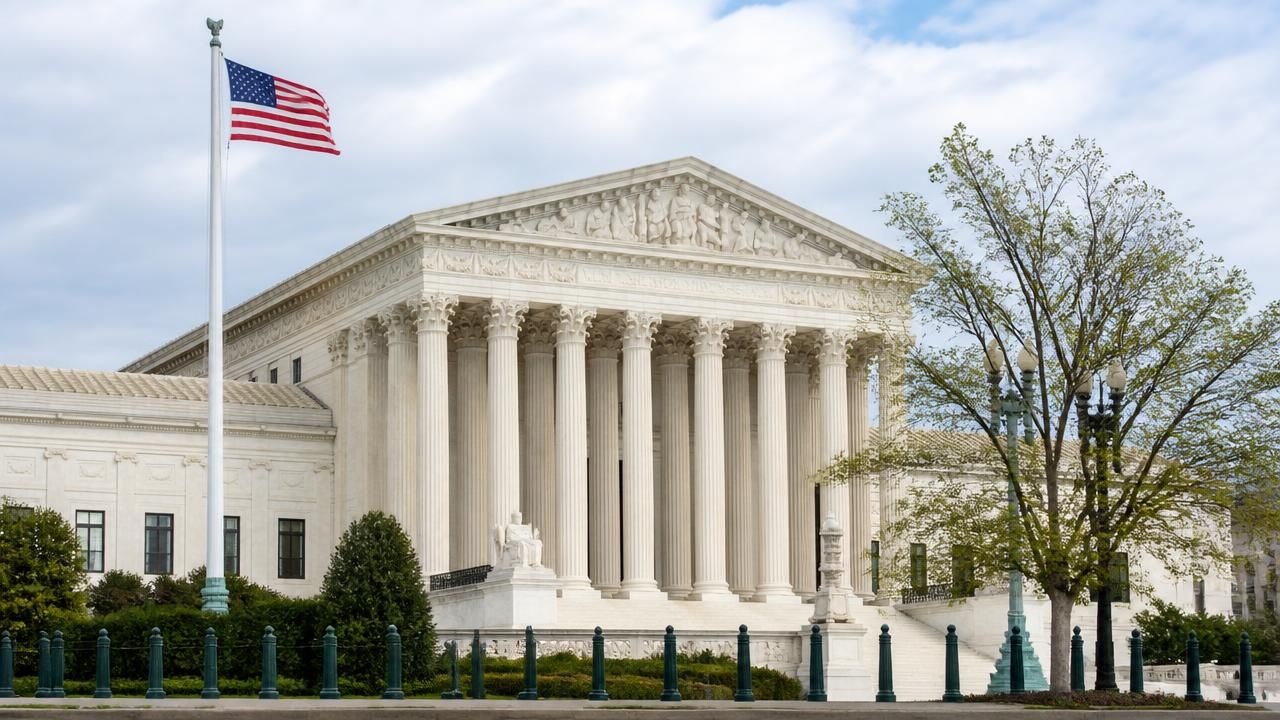
WASHINGTON — The Supreme Court on Wednesday declined to let the Trump administration enforce a policy restricting gender-affirming medical care for transgender people in federal prisons, leaving a lower-court pause in place while litigation continues. The action was reported by NPR, NBC News, The Hill and MSN, all of which described a Court unwilling—at least for now—to revive the policy on an emergency basis.
The dispute centers on the administration’s efforts to curtail treatments such as hormone therapy and other gender-affirming care for incarcerated transgender people. Lower courts had blocked the policy from taking effect while lawsuits proceed, and the administration asked the Supreme Court to intervene. The justices declined that request, meaning federal prisons must continue providing care covered by the lower-court order.
Justices Clarence Thomas and Samuel Alito dissented, according to The Hill, underscoring the ideological divide even in an emergency posture. No extended majority opinion was released, and the Court’s action does not decide whether the policy is lawful. Instead, it keeps the status quo: incarcerated transgender people covered by the lower-court order may continue receiving care while the case moves through the courts.
What the ruling does—and doesn’t do
The Supreme Court’s order is procedural, not a final merits ruling. It denies the administration’s emergency request to lift the pause imposed by lower courts. That distinction matters: the justices have not endorsed or rejected the policy itself, and the case could return to the Supreme Court after further proceedings.
- Who: The Trump administration, federal prison inmates who challenged the policy, and the Supreme Court.
- What: The Court refused to revive a policy restricting gender-affirming care for transgender federal inmates while litigation continues.
- When: The order came Wednesday.
- Where: The case affects the federal Bureau of Prisons and inmates nationwide.
- Why: Lower courts had paused the policy; the administration sought emergency relief from the justices.
- How: The Court left the lower-court pause in place, with Thomas and Alito dissenting.
How outlets framed the decision
NPR framed the outcome as a requirement that the administration “continue providing gender-affirming care to inmates in federal prisons as litigation on efforts to change the policy continues.” NBC News described the Court as rejecting Trump over a policy “restricting treatment for transgender prison inmates.” The Hill emphasized that the Court “won’t revive” the policy “for now,” while noting the Thomas and Alito dissent. MSN’s headlines similarly stressed that the justices would not let the administration enforce the policy at this stage.
“Supreme Court won’t revive Trump administration’s transgender inmate policy for now.” — The Hill
The differing headlines reflect subtle but important framing choices. Some emphasize the administration’s defeat; others stress the temporary nature of the order. Legal observers caution that emergency rulings often signal caution rather than a final judgment on the merits.
Care, cruelty and the terms of debate
Advocates for transgender inmates argue that gender-affirming care is medically necessary and that denying it can cause serious harm, including heightened risk of depression, self-harm and violence in custody. Critics of the administration’s policy have described it as punitive. An MSN opinion piece warned that the Supreme Court “may be about to make America’s prisons much crueler,” capturing the concerns of those who see the policy as an effort to erase protections for a vulnerable population.
The administration and its supporters have argued that prison policies should be based on biological sex and that restrictions are needed to ensure safety, security and fiscal discipline. They contend that prison officials must have broad discretion over medical and housing decisions. The legal fight therefore implicates not only health care but also competing claims about institutional authority and the limits of judicial intervention.
The rhetorical environment surrounding the case has also drawn scrutiny. A Yahoo analysis argued that Trump’s use of a derogatory term for transgender people on Truth Social was “even more insidious than it seems,” suggesting that dehumanizing language can shape policy and public attitudes. The piece’s title reflected a broader debate over how official rhetoric affects the treatment of marginalized groups.
A wider legal battlefield
The prison-care case is one front in a broader set of disputes over transgender rights. Education Week reported that Trump says Title IX excludes trans girls and that the Supreme Court could weigh in next. That issue—over school sports and federal education law—is separate from the prison policy, but it forms part of the same larger legal and political conflict over how courts and agencies interpret sex discrimination protections.
Separately, TribLive reported on a freed man who faces life back in prison after a Supreme Court ruling on the First Step Act. That case is distinct from the transgender prison-care dispute, but it illustrates how Supreme Court decisions—even procedural ones—can have profound consequences for people in the criminal justice system.
What happens next
The litigation will continue in lower courts, where judges will examine the policy’s legality, the medical evidence and the administration’s justifications. The Supreme Court’s order keeps the lower-court pause intact for now, but it does not prevent the justices from taking up the case again at a later stage.
For incarcerated transgender people, the immediate effect is continuity of care under the existing court order. For the administration, the ruling is a temporary setback in a policy fight that is likely to continue. And for the Supreme Court, the order adds to a growing record of emergency rulings in which the justices have been asked to intervene in politically charged disputes before the legal record is fully developed.