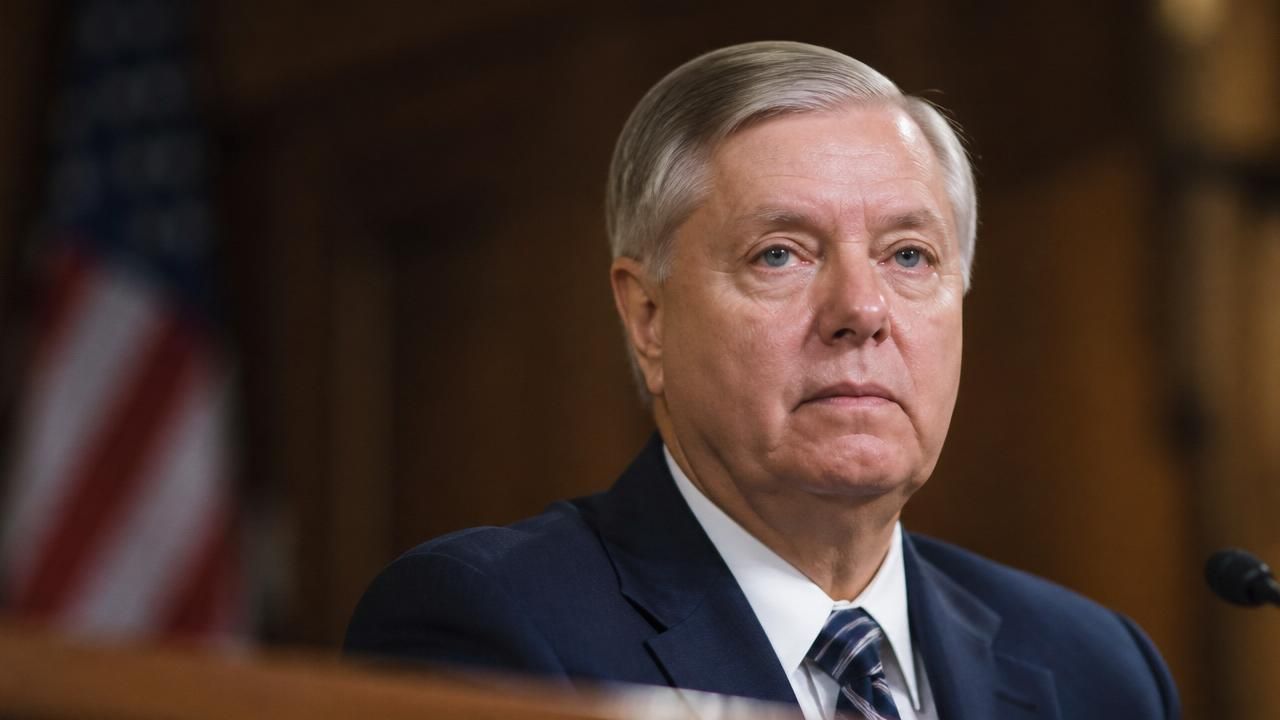
Senator Lindsey Graham of South Carolina, a prominent Republican, staunch ally of former President Donald Trump, and a leading foreign policy hawk, died Saturday night at the age of 71. His office confirmed that the cause was a 'brief and sudden illness,' though further details were not immediately disclosed. Graham's death marks the end of a nearly three-decade career in the Senate, where he evolved from a centrist to a key figure in the Trump-era GOP, shaping both domestic policy and America's role abroad.
A Life in Politics
Lindsey Olin Graham was born on July 9, 1955, in Central, South Carolina. He served in the U.S. Air Force as a lawyer and entered politics in the 1990s, winning a seat in the House of Representatives in 1994. He moved to the Senate in 2003, where he quickly became known for his work on military and judiciary matters. Over the years, Graham's positions shifted—he was once a critic of Donald Trump, but became one of his most loyal defenders in Congress, particularly during the impeachment trials and the 2020 election aftermath.
Relationship with Trump
Graham's relationship with Trump was complicated, as noted by multiple outlets. Initially a rival during the 2016 primaries, Graham later became a close confidant, golfing partner, and key legislative ally. Trump paid tribute to Graham on social media, calling him a 'true American patriot' and praising his work on national security. Sources from MSNBC and The New York Times highlighted that Graham was instrumental in advancing Trump's judicial nominees and foreign policy agenda, including the withdrawal from the Iran nuclear deal and the Abraham Accords. However, the two also had public disagreements, particularly over the 2020 election results and Trump's handling of the Capitol riot, though Graham ultimately remained loyal.
Legacy and Controversies
Graham's legacy is marked by both his hawkish stance on defense and his controversial domestic positions. He was a strong advocate for a robust U.S. military presence abroad, supporting interventions in Iraq, Afghanistan, and Syria. On the home front, he was a vocal opponent of LGBTQ+ rights, opposing same-sex marriage and transgender military service. Sources from Yahoo News and The Independent noted that Graham consistently denied rumors about his own sexual orientation, a subject that drew criticism from LGBTQ+ advocates. His death has prompted a wave of tributes from Republican colleagues, while some Democrats acknowledged his service but highlighted areas of disagreement.
'Senator Graham was a dedicated public servant who loved his country and fought tirelessly for what he believed in. His voice on national security will be missed,' said Senate Majority Leader Chuck Schumer in a statement.
Reactions and Implications
The news of Graham's death has dominated headlines, with outlets from News Corp Australia to Outlook India covering the story. Tributes poured in from both sides of the aisle, though some progressive figures criticized his record. As a four-term senator, Graham's passing leaves a vacancy in South Carolina's Senate seat, which will be filled by a temporary appointment until a special election. The move could shift the balance of power in the narrowly divided Senate, though the immediate impact is unclear. Political analysts note that Graham's absence will be felt in foreign policy debates, where he was a leading voice for interventionism and military strength.
Context and Background
Graham's career was defined by his service on the Senate Judiciary and Appropriations committees. He played a key role in the confirmation of Supreme Court Justices Neil Gorsuch, Brett Kavanaugh, and Amy Coney Barrett. He also co-authored the 2013 immigration reform bill, though his later shift to the right on immigration reflected the party's changing dynamics. His sudden illness and death have shocked many, as he appeared in good health and remained active in Senate business until recently.
As the nation mourns, Graham's legacy remains a subject of debate. For his supporters, he was a principled conservative and a patriot. For his critics, he was a partisan figure who prioritized loyalty over principles. Regardless, his impact on American politics and foreign policy is undeniable.