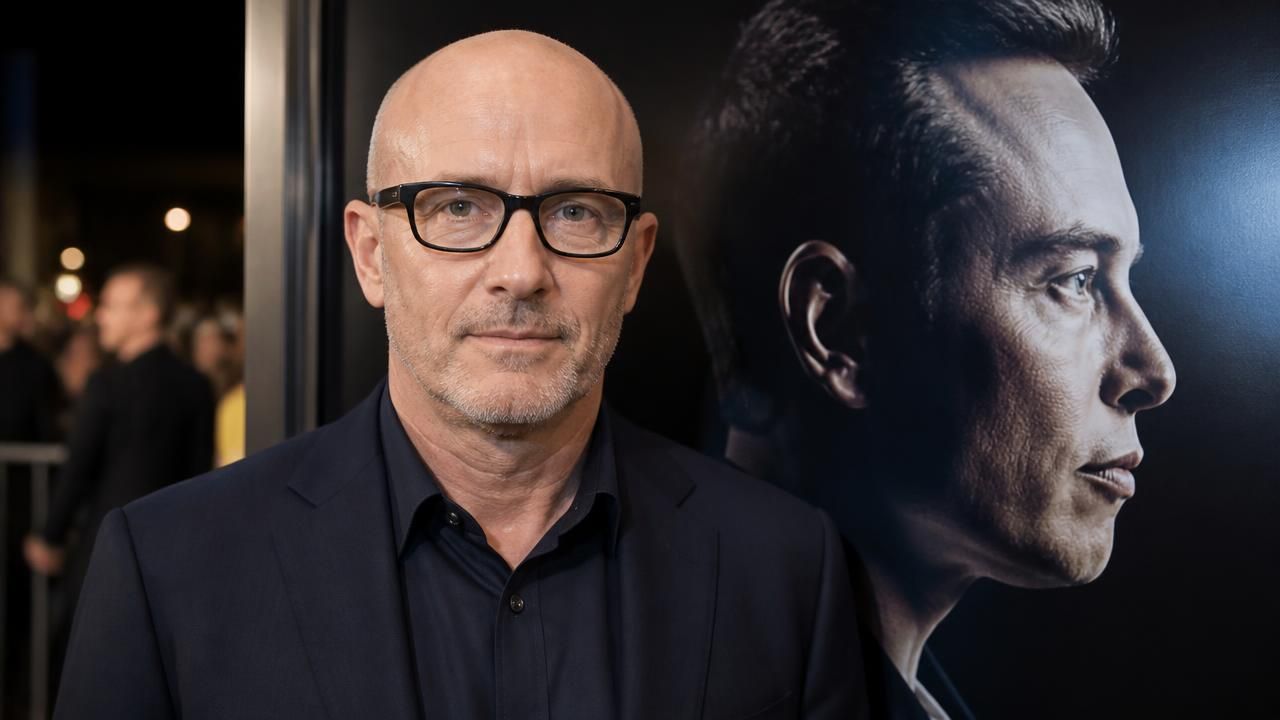
TikTok has permanently suspended the account promoting Musk, Alex Gibney's new documentary about Elon Musk, just as the film expands into theaters — a move that caps a turbulent week in which three of the world's largest social platforms initially refused to run paid advertising for the project before two of them reversed course.
According to The Hollywood Reporter, the film's distributor, Bleecker Street, was informed Friday afternoon that a "permanent suspension" of the account was imminent. TikTok did not immediately respond to requests for comment from The Verge or other outlets. The platform has characterized the action as a response to policy "violations," while several reports have described the company as citing its rules on political and advertising content.
A coordinated freeze-out — then a partial retreat
The TikTok suspension is the most severe but not the first setback for the film's marketing campaign. Earlier in the week, The Hollywood Reporter reported exclusively that TikTok, Meta and YouTube — the three dominant destinations for paid social promotion — were all rejecting paid ads for the documentary. The rejection, coming from platforms owned or influenced by some of the most powerful figures in technology, immediately raised questions about whether editorial judgment or corporate self-interest was driving the decisions.
By week's end, the picture had shifted. Meta said it would run ads for the documentary after all, and YouTube likewise reversed its position, according to reports from Mashable and The Next Web. That left TikTok alone in maintaining a block — not merely on advertising, but on the film's entire promotional account.
"We've got to be as loud as possible about this right now."
That quote, from the film's producer and a UTA agent speaking at the Zurich Film Festival, captured the filmmakers' strategy: rather than quietly absorb the rejections, they went public. The remarks, reported by Deadline, framed the platform pushback as a fight worth escalating precisely because of who the subject is.
Why the platforms are wary
The documentary examines Musk's transformation from electric-vehicle and aerospace entrepreneur into a political actor and owner of X, the platform formerly known as Twitter. That subject matter sits awkwardly against the advertising policies of major platforms, which have spent years tightening rules around political and issue-based content — rules that were written to prevent election interference and misinformation but which can sweep in journalistic work that touches on public figures.
The complications are especially dense for TikTok. The company is partly owned by Oracle co-founder Larry Ellison, who appears in Gibney's film via a text message offering to help Musk fund his acquisition of Twitter. The Verge noted that while TikTok has no official affiliation with Musk, the Ellison connection gives the film an uncomfortable overlap with the platform's own ownership. Meta, meanwhile, competes directly with X, and YouTube is owned by Google — a company whose relationship with Musk's businesses has grown increasingly adversarial.
Differing accounts of the same decision
Coverage of the episode has varied noticeably by outlet. Trade publications such as Deadline and The Hollywood Reporter have focused on the business and awards-season implications, treating the ad rejections as a distribution crisis. Technology outlets including The Verge and Mashable have emphasized the policy mechanics and the speed with which Meta and YouTube reversed themselves. Aggregators and international outlets have framed the story more bluntly as censorship, with headlines describing TikTok banning the documentary "over 'violations'" or "citing politics."
The discrepancies extend to basic facts. Some reports describe the film as three hours long; others call it four hours. Gibney, the Oscar-winning director behind Going Clear and Citizen K, is known for sprawling, exhaustively researched documentaries, and the runtime has been a talking point in its own right.
What it means
- For the film: The controversy has generated exactly the kind of attention a documentary about a polarizing billionaire needs. Free press from a platform ban may prove more valuable than the paid ads that were refused.
- For the platforms: Meta and YouTube's reversals suggest the initial rejections may not survive public scrutiny, while TikTok's continued suspension invites the question of whether its ownership structure makes it uniquely sensitive to the subject.
- For the wider debate: The episode adds to a growing record of platforms struggling to distinguish political advertising from journalism about politics — a distinction with real consequences for documentary filmmakers and news organizations alike.
Musk himself has not publicly commented on the suspensions, though he is the owner of X, where the film's promotion has faced no such restriction. Bleecker Street has not responded to requests for comment on TikTok's decision.
For now, the fight is asymmetric. Two of the three platforms have stepped back from the barricade. TikTok has not — and the filmmakers appear content to make that refusal as loud as possible.