A new report from the United Nations Educational, Scientific and Cultural Organization (Unesco) has laid bare a stark reality: in 2025, 113 developing countries spent more on servicing foreign debt than on education. The findings, released amid growing alarm over a global sovereign debt crisis, underscore how financial obligations are crowding out critical investments in human capital and sustainable development.
The Debt-Education Trade-Off
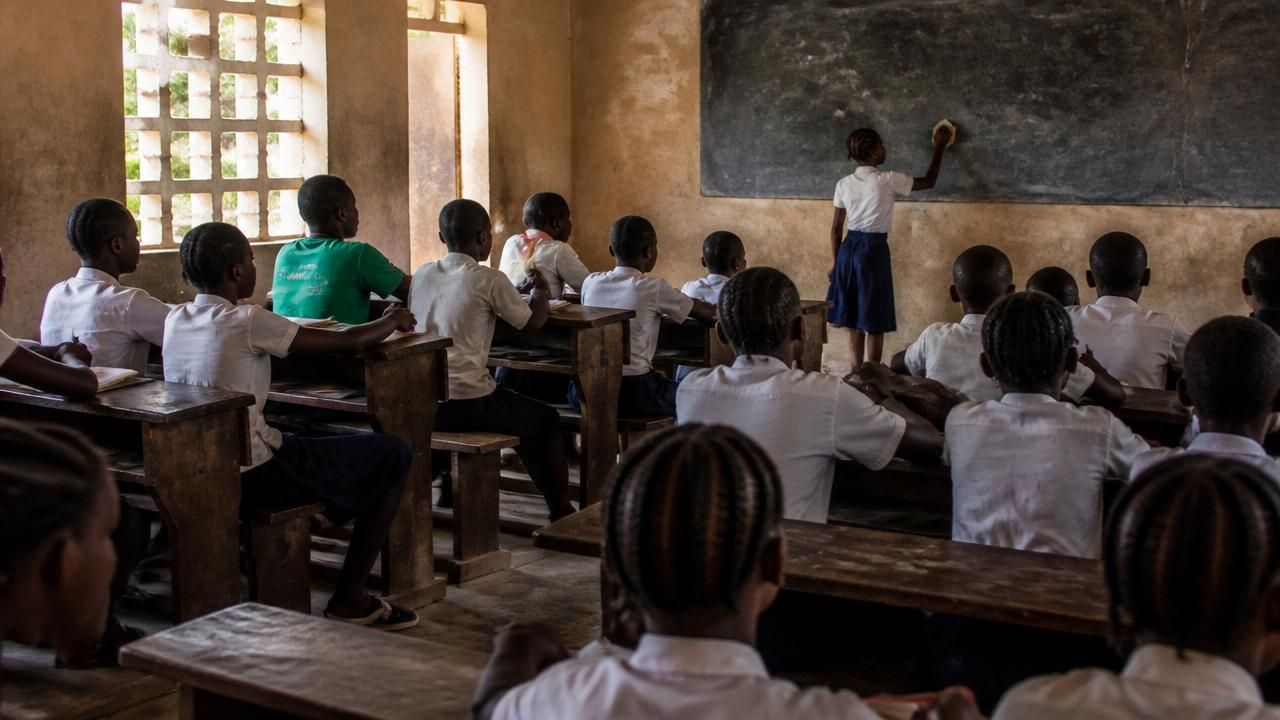
According to Unesco, sub-Saharan African countries spent on average 3.6 times more on debt repayments than on education last year. In 18 of the hardest-hit nations, debt service payments were more than five times education spending. The report warns that global aid to education is projected to decline by up to 30 percent, compounding the crisis.
“More was spent on servicing foreign debt than on education in 113 developing countries in 2025,” the Unesco report states, calling the trend a “development disaster.”
The data aligns with broader findings from the UN Conference on Trade and Development (UNCTAD) and other bodies, which show that developing countries are facing the worst debt crisis in history. A separate UN report from the Secretary-General describes the situation as “crushing,” warning that it spells disaster for billions.
Debt Servicing vs. Health and Climate
The debt burden extends beyond education. A Christian Aid report cited by multiple sources reveals that 34 African countries spend more on debt payments than on healthcare. Similarly, a study highlighted by The Independent found that poor nations pay billions more in debt interest than they receive in climate finance. This dynamic is creating a vicious cycle: countries cannot invest in resilience against climate change because they are forced to prioritize creditor payments.
Private Lenders Dominate
Contrary to popular narrative, the largest share of debt payments flows to private lenders, not China. Reuters reports that emerging countries’ debt payments to private creditors dwarf those to Beijing. A Vox investigation explains how Wall Street has helped turn poor countries into “permanent debtors” through complex financial instruments and high interest rates.
Framing the Crisis: Differing Perspectives
Coverage of the crisis varies by outlet. The Guardian frames it as a moral failure, emphasizing the human cost: “Developing countries face worst debt crisis in history.” The Telegraph focuses on the health angle: “Africa spending more on interest than health.” Meanwhile, The Economist calls it “Africa’s other debt crisis,” pointing to structural flaws in the global financial system.
Brookings Institution offers a more cautious perspective, warning against “throwing away the debt baby with the crisis bathwater,” arguing that some debt is necessary for growth. The IMF’s Heavily Indebted Poor Countries (HIPC) Initiative, which provided relief to 36 countries, is cited as a model, but critics say it has been insufficient.
Historical Context and Root Causes
The current crisis has deep roots. Jamaica’s decades-long debt saga, documented by The Guardian, illustrates how structural adjustment programs and repeated borrowing can trap nations. A BU Global Development Policy Center study notes that the G20’s Debt Service Suspension Initiative (DSSI) provided temporary relief but failed to address underlying vulnerabilities.
The dollar’s dominance in global finance exacerbates the problem, as Positive Money explains: when the US raises interest rates, debt servicing costs for dollar-denominated loans skyrocket. The UN’s Summit of the Future has called for accelerating reform of the international financial architecture, including a new debt workout mechanism.
Gender and Inequality Dimensions
Alliance Magazine reports that debt and austerity are starving progress on gender equality. When governments cut education and health budgets to service debt, women and girls are disproportionately affected. The World Economic Forum, in a piece titled “Why we must remove country debt to save girls’ education,” argues that debt relief is a feminist issue.
Calls for Action
The UN agency has called for a pause on debt repayments for developing countries, a proposal echoed by the UK’s International Development Committee, which urges Britain to lead global reform. The G20 is under pressure to expand the Common Framework for debt treatment beyond a handful of countries.
As UN Secretary-General António Guterres stated: “The international financial system is failing developing countries. We need a new deal that delivers debt relief, increased liquidity, and long-term affordable financing.”
Implications for the Future
Without urgent reform, the development gains of the past two decades could be reversed. The UN warns that the crisis is already undermining progress on the Sustainable Development Goals (SDGs), particularly in education, health, and climate action. As one analyst from the Development Policy Centre put it: “Climate issues are development issues—and debt is strangling both.”
The message from multiple sources is clear: the current trajectory is unsustainable. Whether through debt cancellation, restructuring, or a new Bretton Woods moment, the world must act to prevent a lost decade for the Global South.