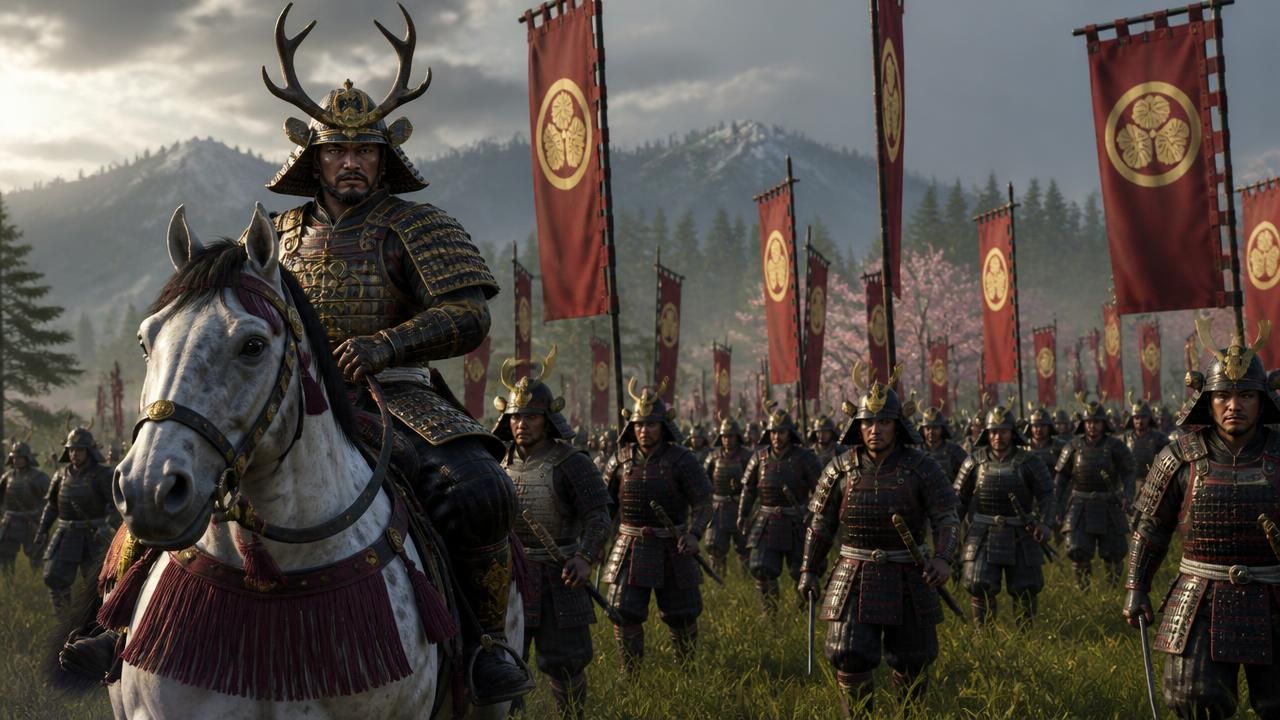
Sega has removed Total War: Shogun 2 – Complete Edition from sale just two days after launch, bowing to a wave of player fury over bugs and graphics that many believe were processed — and in places mangled — by AI upscaling. The publisher says it will restore the original 2011 release to storefronts.
The remaster arrived on Tuesday as a refreshed package of Creative Assembly's beloved feudal-Japan strategy game, bundling the base title with all of its downloadable content. Sega promised "improved visuals," "1440p and 4K UI scaling," and modernized controls — a pitch that, on paper, looked like an easy win for one of the most fondly remembered entries in the Total War series.
A Launch That Unraveled Within Hours
It did not go that way. Within hours of release, the Complete Edition's Steam page had collapsed to an "Overwhelmingly Negative" user review rating, with players reporting a litany of technical faults and, more damagingly, artwork that appeared visibly degraded. Reddit threads quickly filled with side-by-side comparisons of character portraits and unit cards that users argued had been warped by algorithmically generated detail — the telltale smearing, garbled text and misshapen faces that often accompany aggressive AI upscaling.
The controversy was sharpened by the fact that the original game still exists and still looks the way players remember it. Instead of a straightforward improvement, many argued, the remaster traded hand-crafted art for an automated pass that sanded off the original's character.
Sega's Reversal — and Its Apology
By Thursday, Sega had pulled the Complete Edition from Steam and other storefronts and confirmed that the original Shogun 2 would be reinstated in its place. In a statement, the company acknowledged the failure directly:
"We're aware that Total War: Shogun 2 – Complete Edition has fallen short of both your expectations and our own standards."
The speed of the retreat is notable. Publishers rarely delist a flagship product within 48 hours of launch; doing so signals both the severity of the reception and the commercial calculation behind it, since a store page accumulating thousands of negative reviews becomes a permanent liability for the brand. Sega has not yet detailed how refunds, save compatibility or existing owners will be handled — questions that will likely define the next phase of the story.
How the Story Was Framed
Coverage of the episode varied in emphasis, and the differences are revealing. The Verge led on the AI angle, noting that the upscaling "appears to have been done by AI" and pointing to Reddit posts showcasing artwork users believe the technology ruined. GameSpot and VideoCardz foregrounded the same thread, with VideoCardz stressing that the withdrawal came "just two days after launch."
Rock Paper Shotgun centered Sega's own admission, headlining the company's concession that the release "fallen short." Video Games Chronicle grouped the two complaints together — "bugs and AI art" — while IGN's framing was blunter still, describing a "disastrous" remaster pulled from sale. Aggregators including MSN and outlets such as TechPowerUp and GamingBolt carried largely the same factual spine: negative response, swift delisting, restoration of the original.
What nearly every outlet agreed on was the diagnosis. This was not a case of a niche technical complaint; it was a product that failed on the terms it had set for itself.
Why This Resonates Beyond One Game
The episode lands at an uneasy moment for the industry's relationship with generative and assistive AI. Valve began requiring developers to disclose AI usage on Steam in early 2024, and players have grown increasingly adept at spotting — and publicizing — suspiciously synthetic textures, portraits and voice work. Upscaling tools are widely used and often invisible; when they misfire on art that fans hold dear, the backlash is now immediate and highly organized.
For Sega and Creative Assembly, the damage is reputational as much as financial. Shogun 2 is a 2011 title that has aged gracefully, and its fans are precisely the audience a publisher hopes to convert with a re-release. Alienating that core constituency over a remaster nobody asked for is a costly own goal — one that also raises questions about quality assurance and how much internal review the AI-assisted pipeline received before shipping.
What Comes Next
- The original returns. Sega has committed to reinstating the 2011 release on storefronts, restoring the version players already trusted.
- Refund specifics remain unclear. The company has not yet outlined how purchases of the delisted Complete Edition will be handled.
- The AI question lingers. Whether Sega explains what tools were used — and whether it attempts a corrected re-release — will shape how the story is remembered.
- Precedent matters. Other publishers weighing cheap remasters now have a fresh case study in what happens when automation meets a devoted fan base.
For now, the takeaway is simple: a remaster is a promise about care, and Sega's audience judged that promise unmet almost instantly. The company's decision to retreat rather than patch may be the most honest thing to come out of the launch.