The latest round of U.S. inflation data has landed with a thud in financial markets and a shrug in the broader economy — a combination that is proving unusually difficult to interpret. As two of the three major inflation gauges are now in, the picture that emerges is neither a catastrophe nor a comfort: price growth is not re-accelerating dramatically, but it is not falling fast enough either. That ambiguity is driving a sharp split among economists, market strategists and policy analysts about where the world's largest economy goes next.
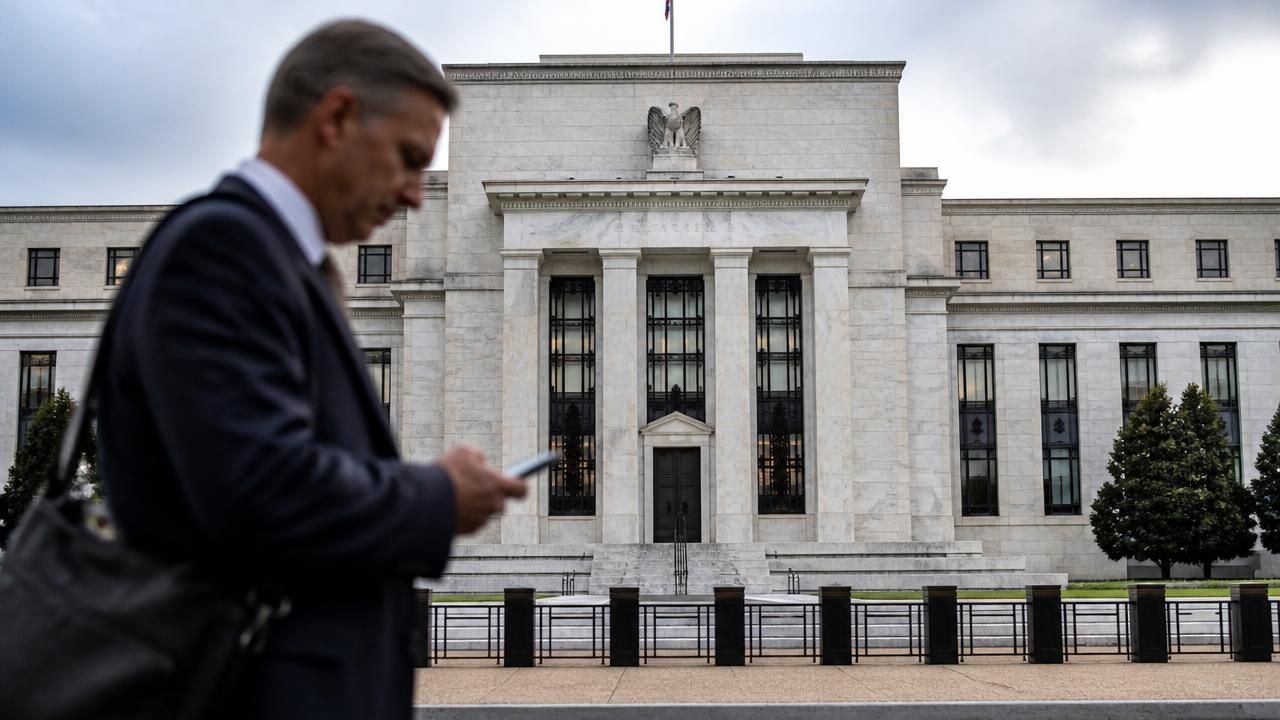
At the center of the debate is a deceptively simple question: is the Federal Reserve finished tightening, or does it have more work to do? Bloomberg Opinion columnist John Authers, reviewing the numbers, argued that the data lands somewhere between alarm and reassurance. In his assessment, the figures were not disastrous — but they were disappointing, and, more troublingly, they were moving in the wrong direction.
“While inflation numbers might not be disastrous, they're still disappointing and moving in the wrong direction.”
That framing captures the bind in which the Fed now finds itself. Having fought inflation down from its multi-decade peak, policymakers had hoped to spend this stretch of the cycle easing policy and declaring victory. Instead, the descent of inflation has stalled well above the central bank's 2% target, leaving officials to choose between cutting rates into sticky price pressures or holding them higher for longer than markets would like.
The Numbers Behind the Headlines
Three gauges typically define the U.S. inflation conversation: the Consumer Price Index (CPI), the Producer Price Index (PPI), and the Personal Consumption Expenditures (PCE) price index. Two of the three are now published, giving forecasters a partial — but politically potent — preview of where the third and most economically significant measure is likely to settle.
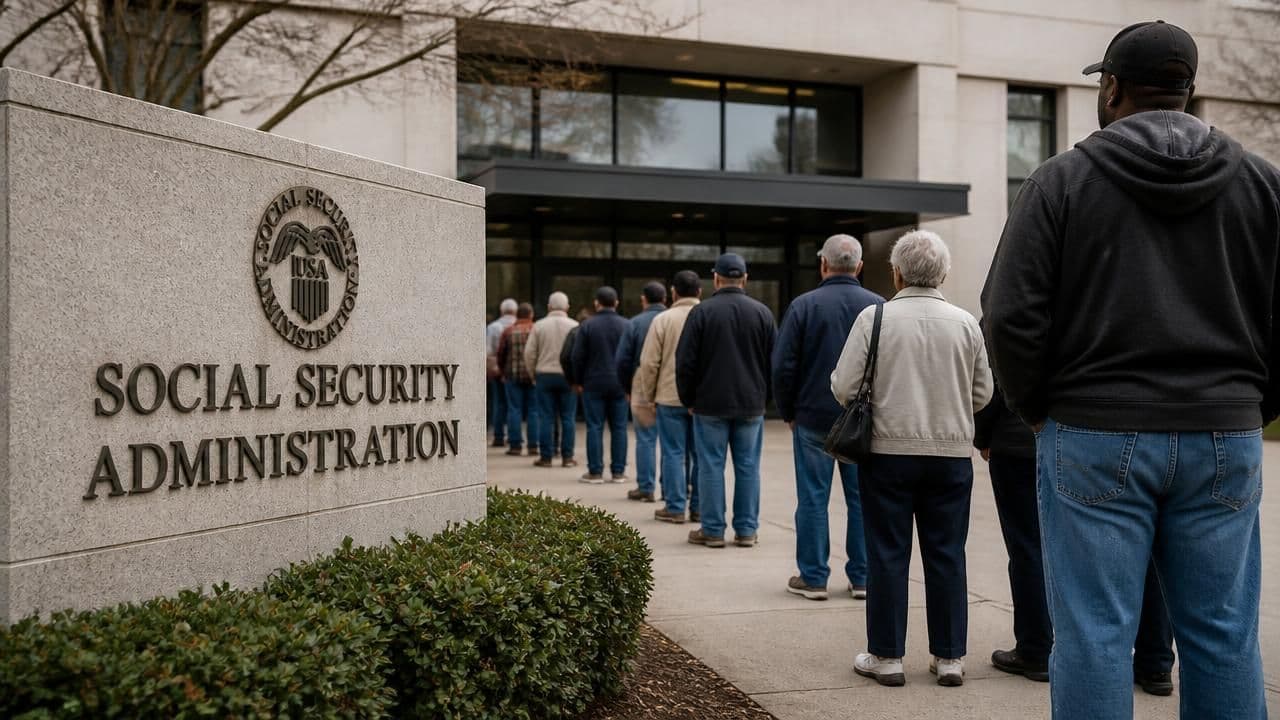
The stakes extend well beyond Wall Street. Because the Social Security Administration calculates its annual cost-of-living adjustment (COLA) using third-quarter CPI-W data, each inflation release feeds directly into benefit estimates for tens of millions of retirees. Early projections for the 2027 adjustment suggest a bigger increase than the one recipients received the prior year — a rare piece of upside for households whose budgets have been squeezed by years of elevated prices. Higher inflation, in other words, cuts both ways: it erodes purchasing power while simultaneously inflating the very index used to restore it.
A Hard Landing Argument Re-Emerges
Not everyone reads the data as a mild disappointment. The American Enterprise Institute has taken a considerably darker view, arguing that the new inflation figures put the U.S. economy on a path toward a hard landing — the scenario in which bringing inflation to heel requires a sufficiently severe tightening of financial conditions to tip the economy into recession.
That argument rests on a familiar chain of logic: if inflation is proving resistant to policy, the Fed must keep rates restrictive; if rates stay restrictive, hiring, credit and consumer spending eventually buckle; and if they buckle, unemployment rises faster than the gradual cooling policymakers have been engineering for. It is the pessimistic branch of a debate that has been running since the post-pandemic inflation surge began.
The counterargument — held by much of the market — is that disinflation is proceeding gradually rather than stalling permanently, and that the labor market remains resilient enough to absorb higher-for-longer rates without a sharp contraction. On this reading, the current disappointment is noise rather than signal.
Don't Be Misled by a Single Print
That interpretation is where the PCE analysis diverges most sharply from the headline reaction. Commentary on the PCE release has cautioned against reading too much into any single month's figure, warning that the headline number can be distorted by volatile categories — energy, food, and irregular components — while the underlying trend in core prices tells a different and more stable story.
This is a long-standing methodological pitfall in inflation coverage. Monthly data are noisy; base effects can make an unchanged economy look like an improving or deteriorating one; and a single upside surprise has repeatedly been mistaken for a change in regime. Analysts who take the longer view tend to focus on three- and six-month annualized rates, which strip out much of the volatility that drives day-to-day market reaction.
How the Story Is Being Framed
- Market commentary emphasizes the Fed's reaction function: whether disappointing prints translate into another hike, or merely a delayed cut.
- Consumer-facing coverage pivots immediately to pocketbook consequences, particularly the projected Social Security COLA.
- Policy think tanks use the data to advance structural arguments, with AEI contending the runway for a soft landing is closing.
- Markets-focused analysis urges caution, arguing that one month's PCE print is a poor foundation for a regime-change thesis.
What Comes Next
The practical consequences now hinge on the Fed's next meeting and the data that precede it. If inflation continues to drift sideways rather than downward, the case for keeping rates elevated strengthens, and the timeline for cuts stretches further into the future. That prospect weighs on rate-sensitive sectors — housing, small business credit, and long-duration equities — while supporting the dollar and pressuring bond prices.
For ordinary Americans, the transmission is slower but no less real. Stubborn inflation keeps borrowing costs high and real wage gains thin, even as it mechanically boosts the Social Security adjustment announced each autumn. For retirees, the projected 2027 increase offers a genuine cushion; for workers and borrowers, the same data implies relief is further away than hoped.
What ties the competing narratives together is a shared recognition that the last mile of disinflation is the hardest. The easy gains — from unwinding supply-chain shocks and normalizing energy prices — have largely been banked. What remains is services inflation and wage growth, both of which respond slowly to policy and are far more resistant to the kind of rapid improvement that markets have repeatedly, and prematurely, priced in.
Whether that leaves the economy with a soft landing or a hard one is unlikely to be settled by a single report. But the direction of travel, as Authers put it, is what has investors unsettled: not a disaster, but a disappointment — and a reminder that the final stretch of this inflation fight may prove the most grinding of all.