Danone has completed its acquisition of Huel, the British plant-based meal-replacement and protein-shake maker, in a deal that values the company at roughly $1.15 billion to $1.2 billion, according to reports. The transaction, confirmed by Yahoo Finance and ad-hoc-news, extends Danone’s portfolio in functional nutrition and gives the French food giant a stronger foothold in the fast-growing market for convenient, health-oriented foods.
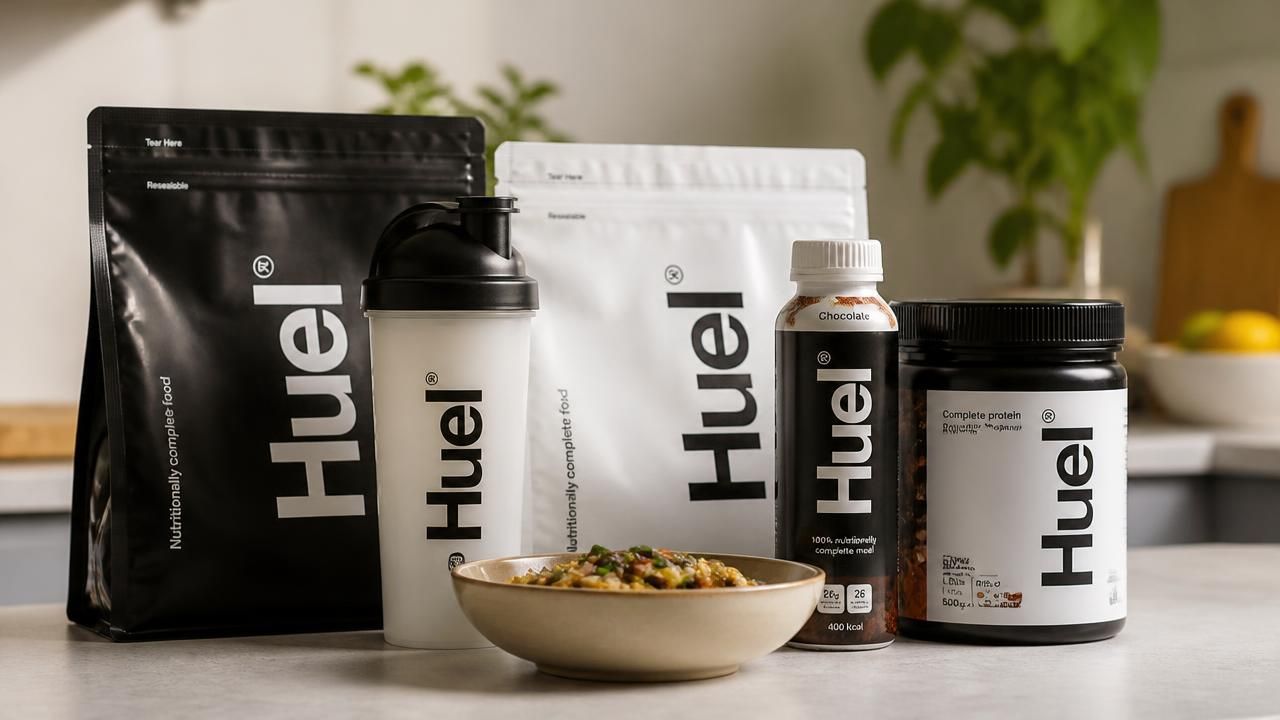
Huel, which counts actor Idris Elba among its backers, has built a loyal following with meal shakes, protein powders, ready-to-drink bottles, and hot meals. The company entered the U.S. market about eight years ago, establishing local manufacturing and warehouses as part of an international expansion. In an interview with Bloomberg’s Romaine Bostick on “The Close,” Huel CEO James McMaster said the company views Danone as the right partner to take it to its next stage.
“We view Danone as the right partner to take us to our next stage,” Huel CEO James McMaster told Bloomberg.
McMaster also noted that Huel established local manufacturing and warehouses when it entered the U.S. about eight years ago, and has since grown internationally. That infrastructure is likely a key part of the company’s appeal to Danone, which can use its global scale to push Huel further into retail channels.
Market reaction: Danone stock gains as Bernstein confirms buy rating
Danone shares drew investor attention following the deal’s close. Bernstein confirmed its buy rating on Danone after the Huel acquisition, according to ad-hoc-news, signaling analyst confidence in the strategic rationale. The deal also accelerated Danone’s push into functional nutrition, a category that includes protein-enriched foods, plant-based alternatives, and products targeting specific health needs.
The acquisition price has been reported slightly differently across outlets. Bloomberg described the deal as roughly $1.2 billion, while MSN reported a $1.15 billion sale. Such discrepancies are common in cross-border M&A coverage due to currency conversion, earnouts, and timing. The completion of the deal, however, is not in dispute: Yahoo Finance reported that Danone completed its acquisition of Huel, extending its portfolio in functional nutrition.
Why Danone is betting on Huel
Danone, the French multinational known for dairy, plant-based, and water brands, has been reshaping its portfolio toward higher-growth health and nutrition segments. Functional nutrition is a key pillar of that strategy. Huel offers a direct-to-consumer subscription model, a strong digital presence, and a younger, health-conscious customer base—assets that complement Danone’s scale in retail distribution and manufacturing.
Huel’s U.S. operations are particularly attractive. By establishing local manufacturing and warehouses eight years ago, Huel reduced shipping times and costs, and positioned itself for mainstream retail expansion. Danone is expected to help Huel scale further in the U.S. grocery and mass-retail channels, where Danone already has deep relationships. The deal could also give Danone a counterweight to slower-growing legacy categories.
How outlets framed the story
Coverage of the acquisition has varied by outlet. Bloomberg focused on the CEO’s perspective, highlighting Huel’s U.S. infrastructure and its search for a partner to support international growth. Yahoo Finance framed the deal as a completed acquisition that extends Danone’s functional nutrition portfolio. MSN emphasized Huel’s British identity, its plant-based focus, and the backing of Idris Elba. Ad-hoc-news zeroed in on the stock-market angle, noting Danone shares gained as the Huel acquisition closed and Bernstein reaffirmed a buy rating.
Together, the reports paint a picture of a strategic bolt-on acquisition rather than a transformative megadeal. For Danone, the purchase adds a fast-growing brand with a distinct consumer proposition. For Huel, it provides the distribution muscle and balance-sheet strength of a global food company. For investors, the Bernstein buy rating suggests confidence that the deal will be accretive to Danone’s growth and margin profile over time.
What to watch next
- Integration: How quickly Danone folds Huel into its functional nutrition unit without diluting the brand’s direct-to-consumer appeal.
- U.S. retail expansion: Whether Danone can push Huel into more grocery shelves and mainstream channels, building on Huel’s existing local manufacturing and warehousing.
- Financial impact: Updates on revenue contribution, margins, and any synergies from the roughly $1.15 billion to $1.2 billion deal.
- Competition: How rivals such as Nestlé and Unilever respond in the plant-based and functional nutrition space.
- Consumer trends: Whether demand for meal replacement and protein products continues to grow amid changing health and wellness priorities.
The acquisition marks another step in the consolidation of the functional nutrition market. As consumers seek convenient, high-protein, and plant-based options, large food companies are competing to acquire brands with loyal followings and digital-native business models. Danone’s purchase of Huel positions it to capture more of that demand—and to test whether a global giant can scale a disruptor without losing what made it distinctive.