Kansas has not elected a Democrat to the U.S. Senate in nearly a century. This year, both parties are spending as if that streak is about to end.
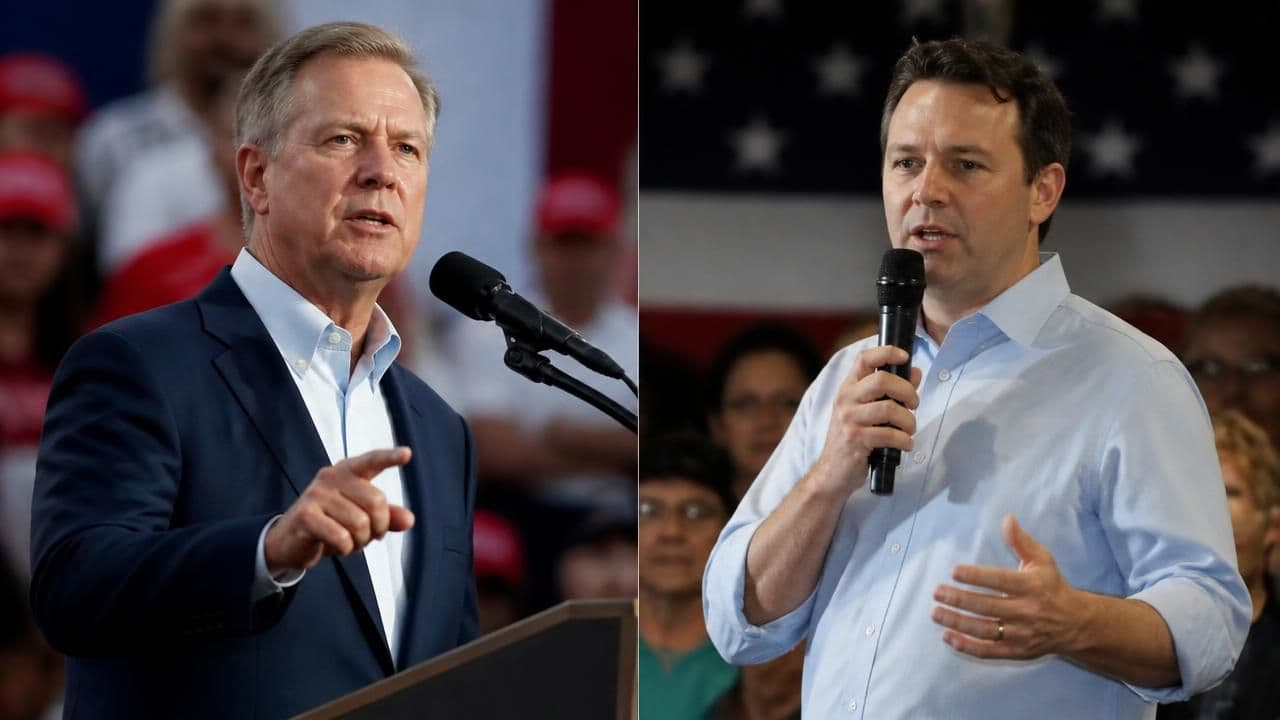
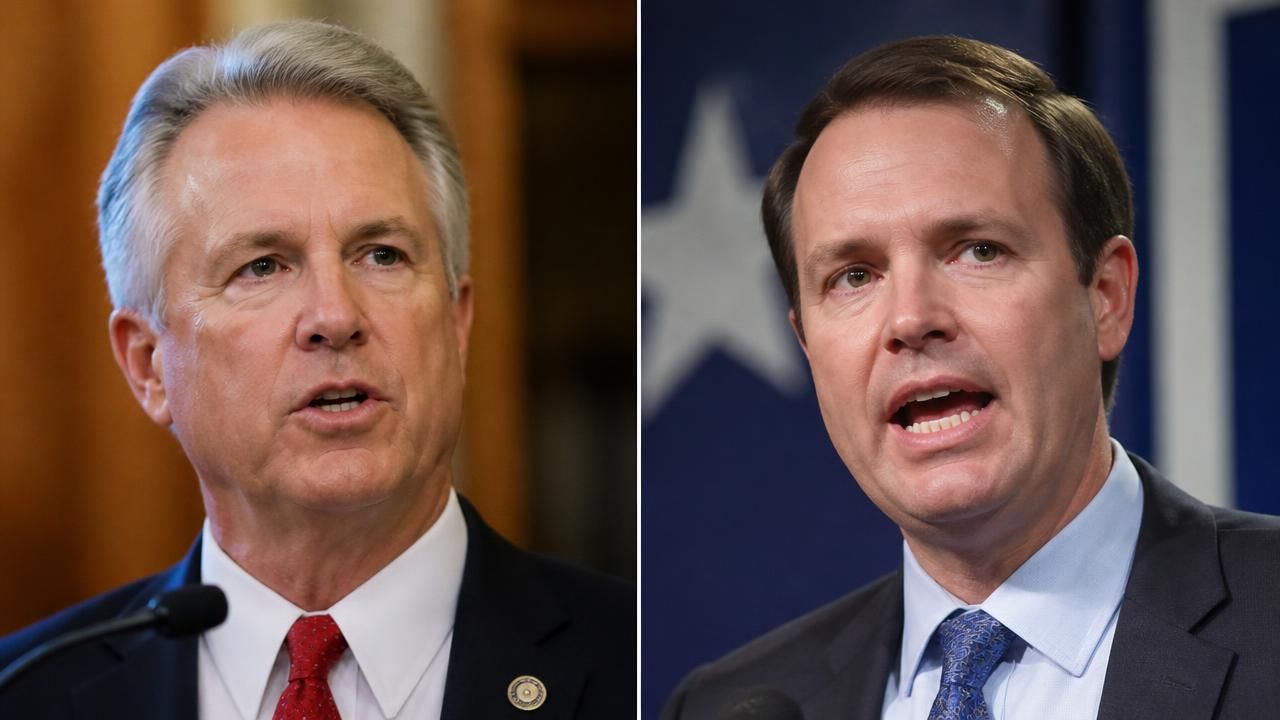
A newly released poll shows the state's Senate contest tied between Republican incumbent Roger Marshall and Democrat Adam Hamilton, according to KMBC, transforming a race that Republicans had treated as a formality into one of the most closely watched battlegrounds of the 2026 midterm cycle. NPR Politics framed the stakes bluntly: Kansas voters could send a Democrat to the Senate for the first time in nearly a century — and, in the same election, hand the governor's office back to Republican control.
Kansas voters could send a Democrat to the Senate for the first time in nearly a century — and flip the governor's office back to Republican control, even in what could be a tough year for the GOP. — NPR Politics
A tied race in a state Trump won twice by double digits
The collapse of the GOP's traditional advantage in Kansas is the product of an unusually volatile national environment. Reporting aggregated by MSN found Democrats now leading in five states that President Trump carried by double digits, an erosion that has alarmed Republican strategists who once built their Senate majority math around holding red-state fortresses.
Marshall, a physician and former congressman, entered the cycle with the advantages of incumbency, name recognition and a state that has not elected a Democratic senator since the 1930s. Hamilton, his challenger, has benefited from a national Democratic fundraising surge and from discontent among moderate Kansas Republicans and independents in the Kansas City suburbs — the kind of voters who have drifted away from the GOP in neighboring states as well.
Trump to campaign in Kansas — a bet that carries risk
President Trump is scheduled to campaign in Kansas to boost Marshall's bid, MSN reported, a move designed to consolidate the Republican base but one that carries its own liabilities. MSN's separate analysis asked the question Republican operatives are quietly debating: could Trump cost Republicans Kansas? The president's approval ratings in suburban and college-educated districts have lagged his 2024 performance, and Democrats are betting that tying Marshall to unpopular White House policies is the fastest route to a flip.
Trump's political team has meanwhile promised millions of dollars to Senate Republicans defending their majority, a signal that the party views the map as broader and more dangerous than anticipated.
Money: the clearest indicator of Republican anxiety
The financial flows tell the story as clearly as any poll. The New York Times reported that a top Democratic group is pumping millions into the Kansas Senate race, a level of investment that would have been unthinkable in a state once considered safely red. In a striking countermove, a Republican super PAC has paused its spending in the North Carolina Senate race in order to shift money into Kansas — sacrificing airtime in one battleground to defend another.
- Democratic spending: A leading Democratic group has committed millions to Kansas, per The New York Times.
- GOP reallocation: A Republican super PAC is pausing North Carolina spending and redirecting funds to Kansas.
- Prediction markets: Roughly $4 million in activity has been recorded on the Kansas Senate race, according to KSN — legal, for now, under current rules.
The prediction-market figure is itself a novelty of this cycle. Bettors on regulated platforms have begun pricing political outcomes with the same intensity as sporting events, producing real-time probability estimates that campaigns and journalists now cite alongside traditional polling. KSN noted that the arrangement remains legal only under current regulatory interpretation, leaving the practice exposed to future oversight.
The national picture: a Senate majority in play
Reuters's survey of the races that will decide control of the U.S. Senate places Kansas within a wider mosaic of contests that will determine whether Republicans retain their narrow majority. NBC News's running tracker of the 2026 midterms underscores how fluid that picture remains, with polling averages shifting weekly across a handful of states.
The mechanics are unforgiving. With the Senate split near the margins, a single loss in a state like Kansas can force Republicans to defend seats they never expected to contest, draining resources from more competitive terrain. That dynamic explains the North Carolina pause: political money is finite, and every dollar spent in Wichita is a dollar not spent in Charlotte.
Down-ballot stakes: governors, schools and early voting
Kansas is not voting only for the Senate. The governor's office, currently held by Democrats, is in play, and Republicans see it as their best chance to reclaim a statehouse they lost during the Trump era. Education has also emerged as a central issue, with EdWeek's national guide documenting ballot measures across states covering school funding, curriculum, vouchers and governance — questions that are mobilizing both teachers' unions and parental-rights groups.
Meanwhile, the machinery of the election is already moving. 2026 midterm primary elections and early voting have begun across multiple states, compressing the window in which campaigns can define their opponents.
Vance in South Texas, and a fading GOP stronghold
The reshaping of the electoral map extends beyond the Midwest. The New York Times reported that Vice President JD Vance visited South Texas as Republican support faded in a key GOP stronghold along the Rio Grande Valley — a region that had been central to the party's outreach to Hispanic voters. The trip appeared designed to shore up a coalition that both parties now regard as newly competitive.
What to watch
The next several weeks will test whether Kansas is an outlier or a leading indicator. Three signals matter most: whether Trump's visit stabilizes Marshall's numbers or accelerates suburban erosion; whether Democratic money continues to flow in at presidential-level rates; and whether the state's rural turnout machine, long the backbone of Kansas Republicanism, can offset losses in Johnson County and other Kansas City suburbs.
For a party defending a slender Senate majority, the answer may determine not just who represents Kansas, but who controls the chamber in January.