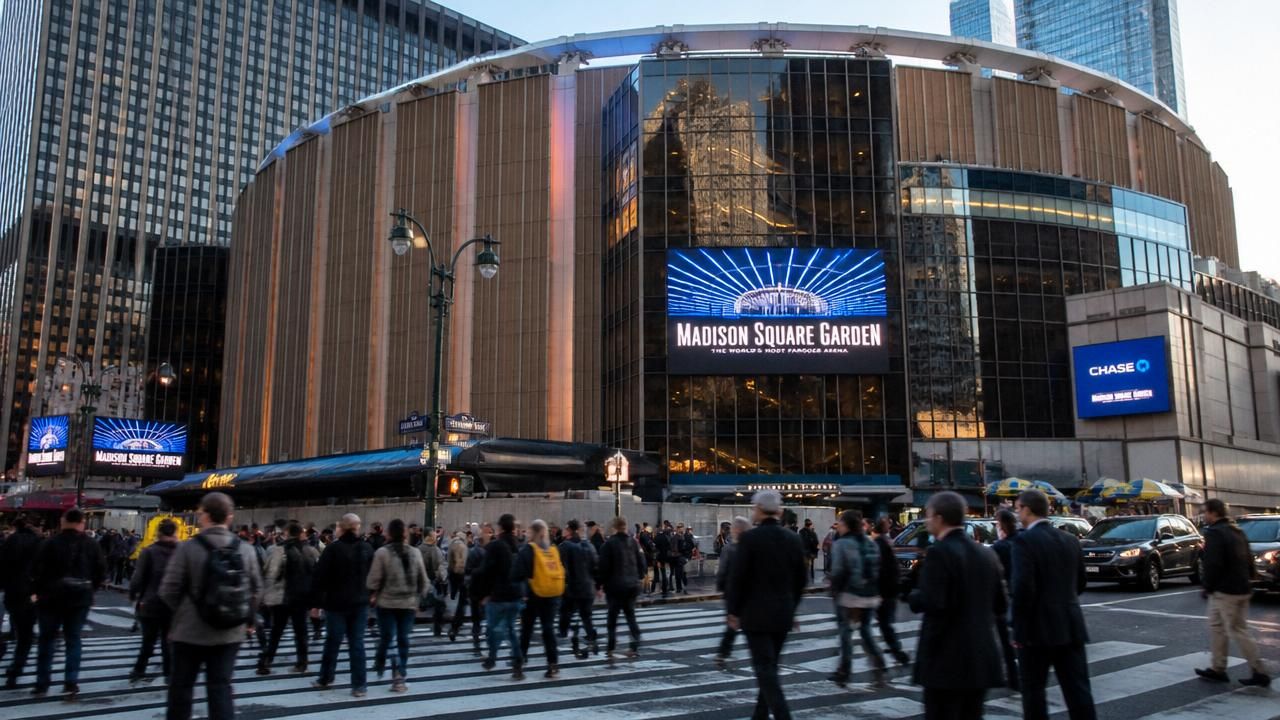
A bombshell report has revealed that Madison Square Garden (MSG) allegedly maintained a secret database tracking celebrities and high-profile visitors, categorizing them by sexual orientation and assigning risk scores. The database, obtained by Wired and corroborated by multiple outlets, includes labels such as “LGBTQIA,” “DO NOT HOST,” and risk levels ranging from low to high. The revelation has sparked outrage and raised serious questions about privacy and discrimination at one of the world’s most iconic entertainment venues.
The Database: What We Know
According to reports from Wired, The Verge, and Consequence, MSG’s database contained entries for hundreds of celebrities, including famous Knicks superfans, musicians, and even guests from Taylor Swift’s wedding. The database categorized individuals under headers like “LGBTQIA,” “DO NOT HOST,” and assigned risk scores (low, medium, high). Sources told MSN and Yahoo that the list included artists such as DaBaby, Fat Joe, and others, with some entries explicitly noting sexual orientation.
The Verge reported that the database was used by MSG security and management to assess potential risks associated with hosting certain individuals. However, the inclusion of sexual orientation and the “DO NOT HOST” label has drawn sharp criticism, with experts calling it a potential violation of privacy and anti-discrimination laws.
Reactions and Perspectives
The story has been framed differently across outlets. Wired’s original investigation emphasized the breadth of the database, noting it included “hundreds of celebs” and detailed categories. Consequence focused on the music industry angle, highlighting that many musicians were tracked. MSN and Yahoo ran shorter summaries, while Sandra Rose’s coverage named specific artists like DaBaby and Fat Joe, adding a celebrity gossip dimension.
LGBTQ+ advocacy groups have condemned the practice. “This is a chilling example of how private entities can weaponize personal data,” said a spokesperson for the Human Rights Campaign. “Classifying people by sexual orientation without consent is not only invasive but could lead to discrimination.” Legal experts note that while MSG is a private venue, New York City’s human rights law prohibits discrimination based on sexual orientation in public accommodations.
MSG has not officially commented on the report, but a source familiar with the matter told The Verge that the database was part of a broader security protocol used to identify potential threats. Critics argue that labeling someone as “LGBTQIA” has no bearing on security risk and amounts to profiling.
Historical Context
This is not the first time MSG has faced scrutiny over its treatment of celebrities and guests. In recent years, the venue has been involved in legal battles over its use of facial recognition technology to ban certain attorneys from entering. The current database controversy adds to a pattern of aggressive surveillance and data collection practices.
Privacy advocates have long warned about the creep of corporate surveillance. “This is a textbook case of mission creep,” said Albert Fox Cahn, executive director of the Surveillance Technology Oversight Project. “What starts as a security measure can easily turn into a tool for discrimination.”
Implications and Next Steps
The revelations could have significant repercussions for MSG. If the database is found to violate privacy or anti-discrimination laws, the venue could face lawsuits and regulatory action. Some lawmakers have already called for investigations. New York State Senator Brad Hoylman-Sigal tweeted: “This is deeply disturbing. I’ll be asking the NYS Division of Human Rights to investigate whether MSG’s practices violate our state’s anti-discrimination laws.”
For celebrities and high-profile individuals, the story underscores the risks of attending events at venues with opaque data practices. Many are now questioning what other databases might exist and how their personal information is being used.
Conclusion
The MSG database scandal is a stark reminder of the tensions between security and privacy in the modern age. As more details emerge, the public will be watching to see whether MSG takes responsibility and reforms its practices, or whether this becomes another chapter in the ongoing debate over surveillance and discrimination. One thing is clear: the list of concerns is growing longer than any risk score can capture.