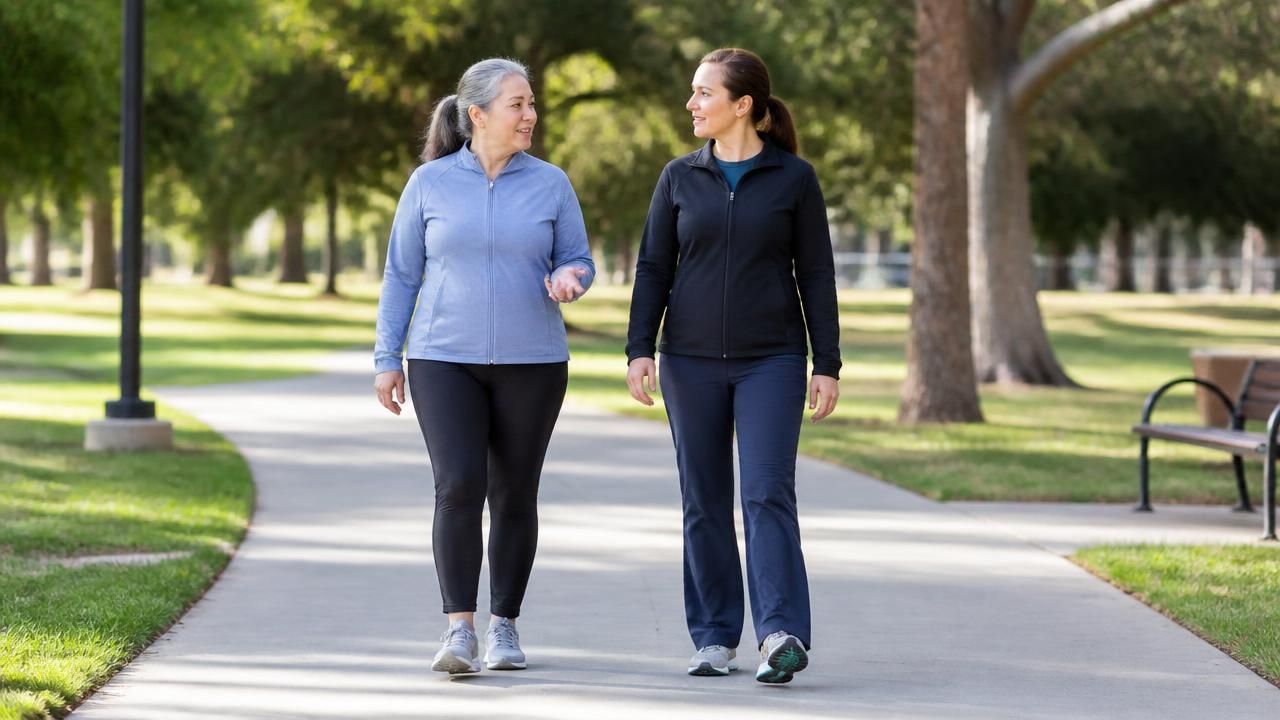
A surprisingly simple change in how a person walks could relieve knee osteoarthritis pain as effectively as medication and may even slow joint damage, according to a year-long clinical trial reported by Science Daily. The study found that adjusting the angle of a person’s foot while walking reduced pain by an amount comparable to drugs, without requiring pills or surgery. MRI scans revealed that participants who adopted the personalized walking technique experienced slower deterioration in a marker of knee cartilage health.
“The pain relief was comparable to medication, without requiring drugs or surgery. MRI scans showed slower deterioration in a marker of knee cartilage health.” — Science Daily summary of the trial
Knee osteoarthritis is one of the most common causes of disability worldwide, affecting millions of adults. Current treatments range from over-the-counter pain relievers and prescription opioids to corticosteroid injections and, in severe cases, total knee replacement. The new findings, if confirmed, could offer a low-cost, low-risk alternative that patients can adopt with minimal training.
The Study at a Glance
The trial followed participants for a full year. Researchers personalized the intervention by determining each person’s optimal foot angle during walking and then helped them practice that gait. The goal was to redistribute load across the knee joint, reducing stress on the damaged compartment. Pain scores dropped significantly, matching the relief typically seen with medication. More striking, imaging showed a slower decline in a biomarker of cartilage integrity, suggesting the technique may not just mask pain but potentially modify disease progression.
How It Works: A Simple Shift in Foot Angle
Walking is a complex biomechanical act. The angle at which the foot strikes the ground affects how forces travel up the leg. In people with knee osteoarthritis, especially in the medial (inner) compartment, abnormal loading accelerates cartilage wear. By adjusting foot progression angle—the degree to which the foot points inward or outward—patients can shift pressure away from the most damaged areas. The study’s personalized approach is key: not everyone needs the same correction. Researchers used real-time feedback to help participants find and maintain their ideal angle.
A Growing Body of Evidence
Separately, a ScienceDaily report on nearly 10,000 patients reveals what works best for knee arthritis pain relief. That large-scale survey adds real-world weight to the idea that non-surgical strategies—such as exercise, weight management, and gait training—are often the most effective first-line treatments. The convergence of a controlled trial and a massive patient survey strengthens the case for conservative care before resorting to drugs or surgery.
Beyond Walking: Supplements and Non-Surgical Procedures
Other outlets have framed the same story through different lenses. MSN’s coverage highlights “3 knee arthritis remedies proven to ease pain without drugs or surgery,” placing the gait study alongside other drug-free options. Prevention focuses on a surprising supplement that scientists say may relieve knee arthritis pain—though experts caution that dietary supplements are not regulated like pharmaceuticals and evidence for any single ingredient can be mixed. Wyoming News, meanwhile, describes a non-surgical procedure that may help relieve knee pain, reflecting regional interest in minimally invasive alternatives.
- Gait modification: Personalized foot-angle training reduced pain comparable to medication and slowed cartilage marker deterioration.
- Supplement: Prevention reports on a specific supplement that may ease pain, but patients should consult a doctor before adding it to their regimen.
- Non-surgical procedure: Wyoming News highlights an intervention that may offer relief without surgery, though details remain limited.
Why It Matters
The opioid crisis and the risks of surgery have created urgent demand for safer, effective knee arthritis treatments. A walking intervention is inexpensive, portable, and can be taught in a few sessions. It also empowers patients to take an active role in managing their condition. If the cartilage-slowing effect holds up in longer studies, the implications could be enormous: delaying or preventing knee replacement for millions of people.
Still, the technique is not a cure. Osteoarthritis is a progressive disease, and walking changes alone may not help everyone, especially those with advanced joint damage. Researchers emphasize that personalized assessment is essential—what works for one knee may not work for another.
What Patients Should Know
If you have knee osteoarthritis, talk to your doctor or a physical therapist about gait evaluation. A trained professional can measure your foot progression angle and recommend adjustments. Combine any gait training with strengthening exercises for the quadriceps and hamstrings, weight loss if appropriate, and other evidence-based therapies. Do not stop prescribed medications without medical advice.
As the ScienceDaily survey of nearly 10,000 patients suggests, the best approach is often multimodal: exercise, weight management, gait retraining, and possibly supplements or minimally invasive procedures. The new walking study adds a powerful, simple tool to that toolkit—one that may relieve pain without a pill or a scalpel.