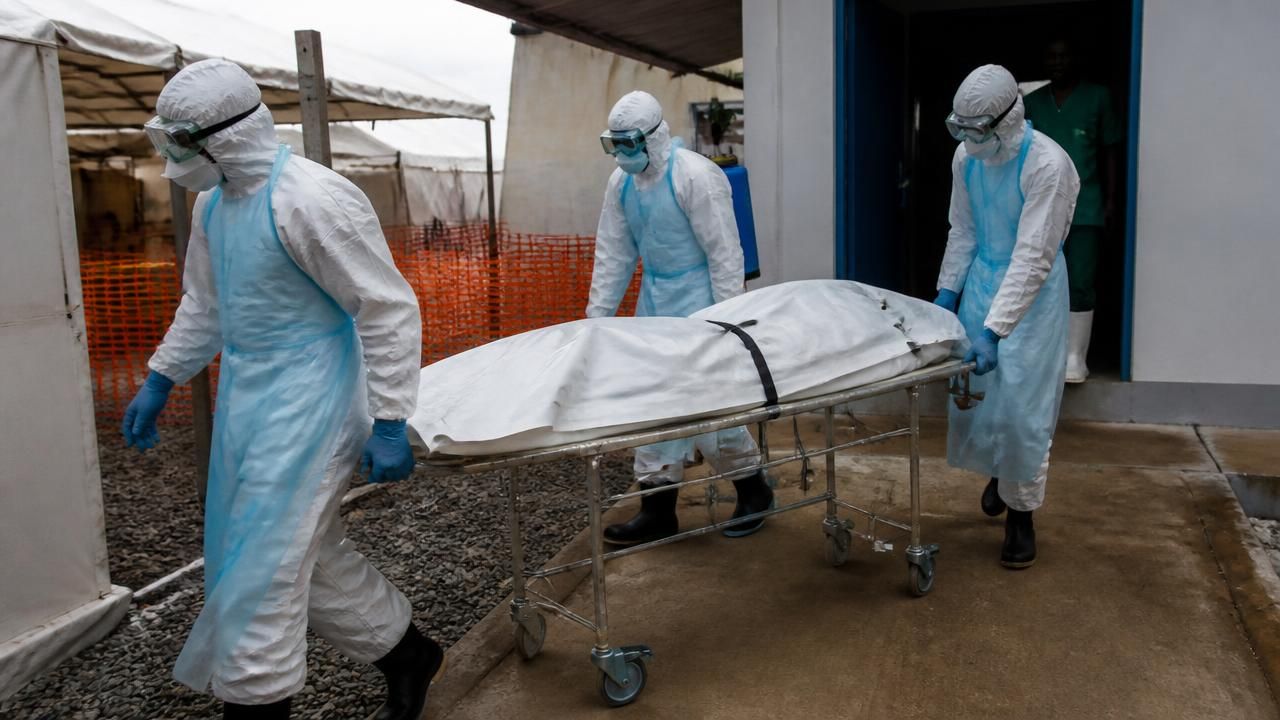
Kenya has recorded its first confirmed case of Ebola — and its first death from the disease — after a patient who had recently arrived from the eastern Democratic Republic of Congo died in Nairobi, the country's health ministry announced on Tuesday. The confirmation marks a significant widening of an outbreak that has been spreading rapidly through north-eastern DRC since it was declared in May.
According to Kenya's health minister, the patient was a Kenyan citizen who traveled back into the country from the DRC on Saturday. Twenty-eight contacts have been identified and are being monitored, the ministry said, as teams work to trace anyone who may have come into contact with the patient before their death. Regional outlets, including Hiiraan Online and Pakistan's The News, reported the case under the clinical name of the pathogen involved: Ebola Bundibugyo virus.
The case is Kenya's first in its history, and it immediately raised questions about cross-border transmission along one of Africa's busiest trade and travel corridors. The patient's route — from an active outbreak zone into a major East African capital — illustrates how quickly a virus that spreads through direct contact with bodily fluids can leap borders when surveillance is stretched thin.
An Outbreak Like No Other
The infection is linked to what has become the worst Ebola crisis the DRC has ever faced. It is the country's 17th recorded outbreak of the disease, and its deadliest. As of 2 October, 4,082 people had died out of 8,463 confirmed cases, according to figures cited by the Guardian. Case counts have continued to climb in the weeks since, prompting officials in Kinshasa and at the World Health Organization to describe the situation as a "surge."
What makes this outbreak particularly difficult is the strain involved. The Bundibugyo species of the Ebola virus — first identified in Uganda in 2007 — has no licensed vaccine and no specific antiviral treatment. The vaccines and monoclonal antibody therapies that proved transformative during the 2014–2016 West African epidemic and subsequent outbreaks in the DRC's Equateur and North Kivu provinces are not matched to this strain. That leaves health workers reliant on supportive care, aggressive contact tracing, and infection prevention and control measures — tools that are effective but far slower than a vaccination campaign.
"This is a different virus with a different set of tools," one senior health official involved in the response said, describing a race to contain transmission without the vaccine stockpiles that have been deployed in previous emergencies.
The Regional Stakes
Neighbouring countries have been on heightened alert for months. Uganda, Rwanda, South Sudan and Kenya all border or trade heavily with the affected provinces, and each has previously activated screening at land crossings and airports. Kenya's confirmation of a case on its soil is the first test of whether those preparations will hold.
Public health specialists caution that a single imported case does not constitute an outbreak. The critical variable is how quickly contact tracing closes the transmission chain. Kenya's identification of 28 contacts within days of the patient's death is a sign that the surveillance system functioned, though the incubation period of up to 21 days means the coming weeks of monitoring will be decisive.
There is also a political dimension. Kenya's health system has faced repeated strain in recent years, and any perception of a wider outbreak could affect travel, trade and tourism. Regional outlets have framed the news primarily through a security and preparedness lens, while Western coverage has emphasised the scale of the crisis inside the DRC.
International Response
The international response has been uneven. France announced it would earmark a further €7 million to help fight what it described as the DRC's worst-ever Ebola crisis, adding to earlier pledges. The funding is expected to support surveillance, laboratory capacity, treatment centres and community engagement — interventions that have repeatedly proven to be the difference between containment and catastrophe.
Yet aid agencies have warned that the response remains underfunded relative to need, and that insecurity in eastern DRC continues to hamper access to affected communities. Armed conflict and displacement in the region have made contact tracing extraordinarily difficult, and health workers have faced attacks in previous outbreaks.
What Happens Next
- Contact monitoring in Kenya: The 28 identified contacts will be watched for 21 days, the maximum incubation period. Any new fever cases will trigger isolation and testing.
- Vaccine development: Researchers say candidates targeting the Bundibugyo strain could be accelerated, but no product is expected to be ready in time for this outbreak.
- Cross-border coordination: Kenya, Uganda, Rwanda and South Sudan are expected to tighten screening and share epidemiological data.
- Funding gap: The WHO and partners have repeatedly appealed for more resources, warning that the outbreak is outpacing the response.
For now, the story is one of a virus moving faster than the systems designed to stop it — and of a continent once again relying on the fundamentals of outbreak control: find the cases, trace the contacts, and break the chain, with or without a vaccine.