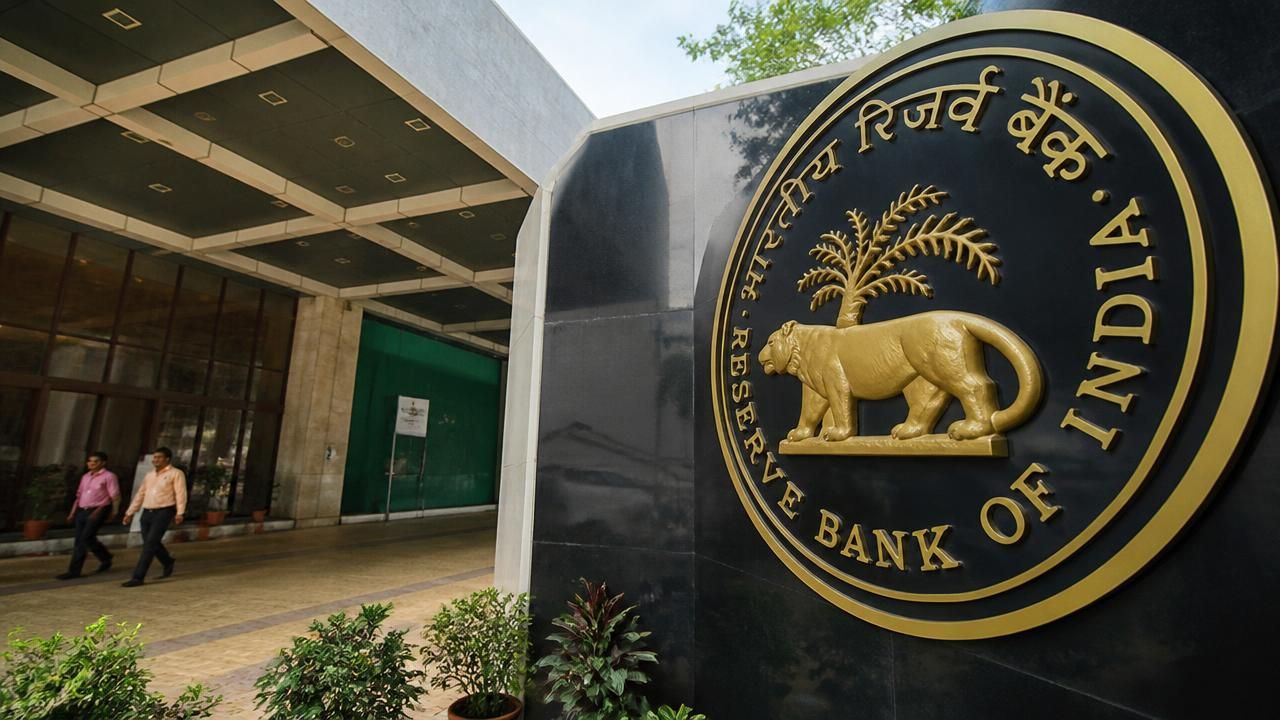
India's central bank raised its benchmark repurchase rate by 25 basis points to 5.50% on Thursday, ending one of the longest policy pauses in recent memory and marking its first rate increase in nearly four years. The Monetary Policy Committee also shifted its stance to "calibrated tightening," a signal that policymakers are prepared to move again if price pressures persist.
The decision, announced by Reserve Bank of India Governor Sanjay Malhotra following the MPC's latest review, ends a cycle that had left the repo rate untouched since February 2023. It was the first hike of Malhotra's tenure and the first increase since he took office, underscoring how quickly India's inflation picture has shifted.
Why the RBI Moved Now
According to statements accompanying the decision, the committee acted amid "rising inflation" and a "challenging global environment." Several outlets framed the move as a pre-emptive strike rather than a reaction to an inflation emergency. Economic Times' government vertical described it as a response to "inflation concerns and global uncertainty," while Mangalorean.com emphasized the "challenging global environment" language in the RBI's own communication.
The rate-setting panel simultaneously projected real GDP growth of 7.1% for FY27 — a bullish forecast that complicates the central bank's messaging. Cutting rates supports growth, but with an economy still expanding above 7%, the RBI has room to prioritize price stability without fear of stalling activity.
"Given the current economic scenario, rate hikes are off the table in the near-term." — Governor Sanjay Malhotra, as reported by Bloomberg
A Contradictory Guidance Signal
That Bloomberg characterization stands in sharp tension with how other outlets reported the same briefing. Moneycontrol quoted Malhotra saying near-term rate cuts are "off the table," while Bloomberg framed his guidance as ruling out further hikes in the near term. The two readings point in opposite directions, and the confusion itself is a story: markets parsing an ambiguous forward-guidance message from a governor delivering his first major policy signal.
The dissonance matters because Nomura has already penciled in further tightening. The investment bank expects the repo rate to rise to 5.75% via two additional 25 basis point hikes by December, according to Outlook Money. If Bloomberg's reading is correct, Nomura's forecast would be wrong — a discrepancy traders must weigh in real time.
Market Reaction: Muted, Then Watchful
The currency market's response was notably restrained. FXStreet reported that USD/INR remained "broadly muted" after the hike, suggesting the move was largely priced in. That calm contrasts with the anticipated second-order effects on Indian households and equity investors.
Hindustan Times noted the most direct consumer consequence: "loan EMIs may rise." Because most Indian home and auto loans are benchmarked to the repo rate, any hike in the RBI's policy rate mechanically raises borrowing costs for millions of retail customers. Outlook Money had previewed exactly this dynamic, publishing a guide on how markets and personal portfolios might react to the first hike in nearly four years. Pre-decision coverage from MSN and India Today speculated on bank stocks and stock market positioning — framing the event less as a surprise than as a decision markets were waiting to absorb.
What Happens Next
The move reverses the trajectory of the past several years, in which the RBI — like the European Central Bank and the U.S. Federal Reserve — moved from aggressive tightening in 2022–2023 to a long holding pattern and eventual easing. India's return to hiking places it in an increasingly uncommon group of central banks willing to tighten while growth remains robust.
- Borrowers: Floating-rate loan holders should expect higher EMIs in the coming weeks as banks reprice their lending rates.
- Savers: Fixed deposits and other deposit-linked instruments could see rates rise, partially offsetting the pain for households.
- Equity investors: Bank and rate-sensitive sectors face margin pressure, though a benign currency reaction suggests limited panic.
- Currency traders: The muted rupee response indicates the hike was anticipated; the real test will be whether the RBI follows through on further tightening.
Whether this proves to be a one-and-done hike or the opening chapter of a new tightening cycle will depend on incoming inflation data and global financial conditions. Nomura's call for 5.75% by year-end sets a clear benchmark against which the RBI's next moves will be judged — and against which Governor Malhotra's first major policy statement will ultimately be graded.