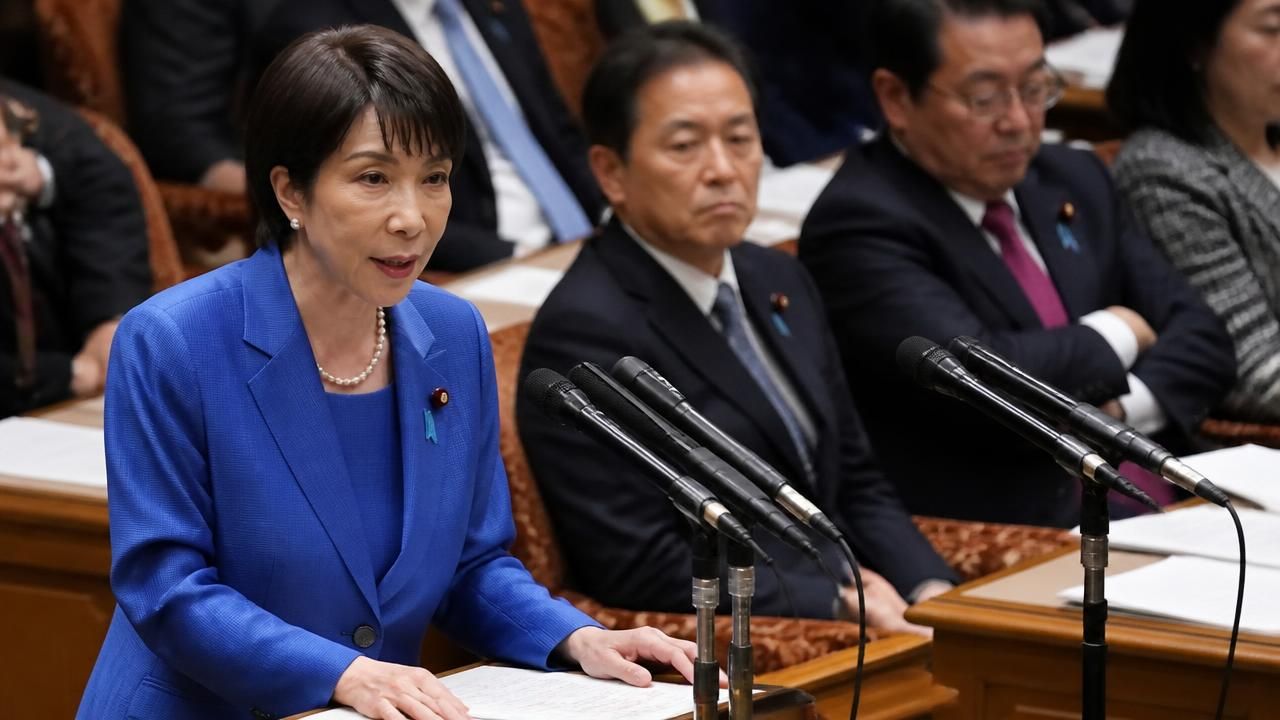
Japanese Prime Minister Sanae Takaichi has placed a temporary cut to the country's food sales tax at the heart of a new economic program, telling parliament that the relief would be paired with targeted measures designed to keep markets calm and a long-term investment plan aimed at lifting the world's fourth-largest economy out of decades of sluggish growth.
The cabinet formally approved the temporary reduction of the food sales tax to 1%, according to Bloomberg, a striking move given that groceries have long enjoyed a reduced rate of 8% against the 10% standard consumption tax that applies to most other goods and services. The shift would put Japan's levy on staple foods among the lowest in the developed world — at least for the duration of the relief.
A tax cut aimed at households
Takaichi's address to parliament, broken down by Bloomberg's Sakura Murakami, framed the food tax cut as temporary hardship relief for households squeezed by years of rising prices, combined with what the government described as measures to maintain market discipline. That phrase captures the central tension of the package: Tokyo wants to be seen as generous with consumers without being seen as reckless with its balance sheet.
As a share of government revenue, the consumption tax is one of Japan's most important funding sources, introduced in 1989 and raised repeatedly since. Cutting the food rate to 1% would carve a substantial hole in receipts at a time when Japan's public debt already stands at well over twice the size of its economy — by far the heaviest burden among major advanced economies.
The investment plan takes shape
Alongside the tax measure, the government said it would detail the first five years of Takaichi's flagship investment plan, a package intended to channel public and private capital into strategic sectors. Officials have cast the plan as a growth engine rather than a spending splurge, arguing that higher productivity and wages are the only durable route to repairing the public finances.
The cabinet reshuffle that accompanied the announcements underlined the emphasis on continuity over churn. Takaichi retained her key ministers, including the economy minister, and vowed to accelerate the rollout of spending plans. As one report put it, the prime minister is seeking to "speed up spending plans" rather than reset them — a signal that the current economic team will own both the tax cut and its consequences.
Markets, funding and the credibility question
Not everyone reads the package as disciplined. Different outlets have framed the same set of decisions in sharply divergent terms.
The Economist: "Takaichi Sanae's big-spending plans are unnerving markets."
East Asia Forum: "Takaichi's food tax cut eats into fiscal stability."
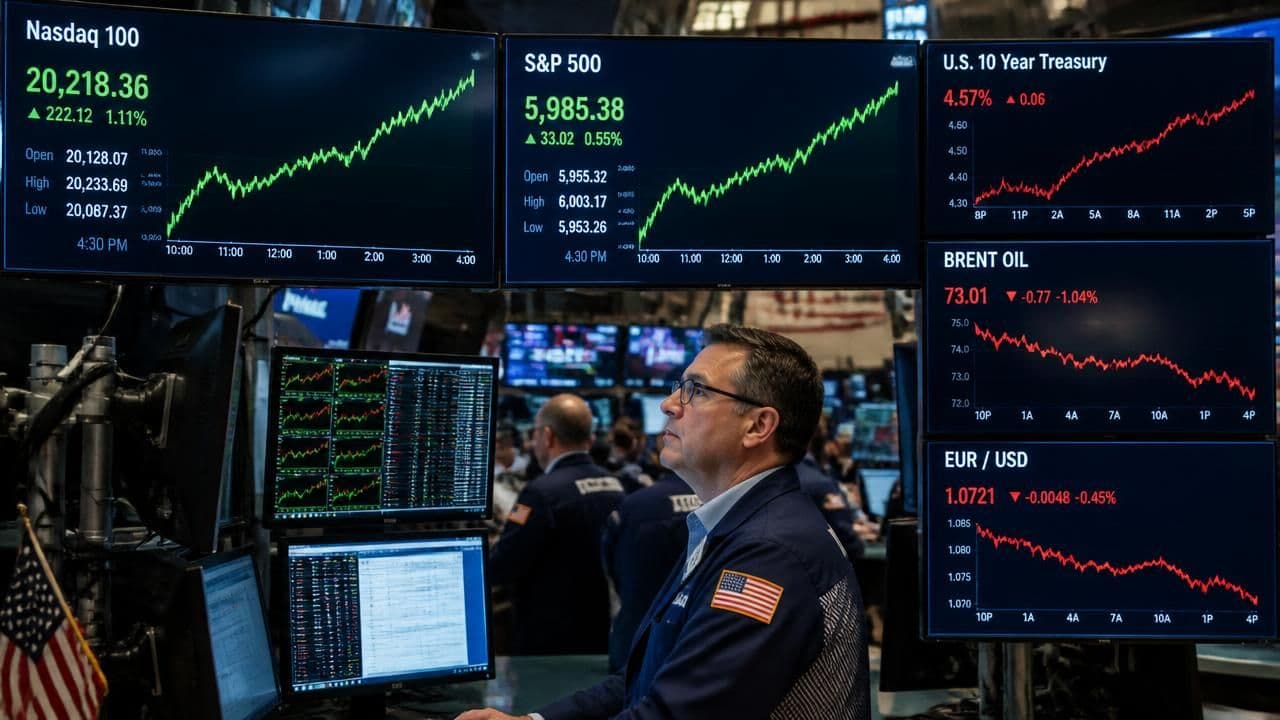
Reuters focused on a narrower but telling detail: Japan's outline of the tax cut sidesteps the question of how the relief will be funded. That omission, in Reuters' framing, keeps fiscal concerns alive among investors, who have grown sensitive to signs that Tokyo may lean on debt issuance to pay for consumption-side giveaways. Bloomberg's coverage similarly emphasized the government's attempt to project market discipline even as it loosens the fiscal stance.
The unease is not abstract. Japanese government bonds are among the most widely held assets in the world, and any sustained increase in issuance to cover a permanent or semi-permanent revenue shortfall would pressure yields and ripple through global fixed-income markets. The yen, already buffeted by the interest-rate gap with the United States, is another transmission channel: a package seen as fiscally loose can weaken the currency further, importing inflation even as the government tries to relieve it.
The ETF angle
For equity investors, the stimulus carries a more immediate implication. Coverage aimed at retail and ETF audiences has highlighted the potential for Japanese exchange-traded funds to benefit if household spending accelerates and corporate earnings respond. Broad Japanese equity ETFs — from large-cap benchmarks to currency-hedged variants — are the most direct instruments for global investors seeking exposure to a domestic demand boost, though the strategy cuts both ways if bond yields rise and the yen slides.
The broader ambition — and the risk
DevDiscourse framed the agenda as "Japan's Fiscal Future," treating the tax cut and investment plan as components of a single, ambitious economic strategy rather than isolated measures. That reading is generous to the government: it assumes the investment plan generates the growth needed to offset lost tax revenue.
The skeptical reading is that Japan is repeating a familiar pattern of stimulus-first policymaking, with the funding question deferred and the growth dividend uncertain. The government's challenge over the coming months is to publish financing details specific enough to satisfy bond markets while preserving the political appeal of cheaper groceries.
- What happened: The cabinet approved a temporary cut in the food sales tax to 1%, alongside a five-year investment plan outline.
- Who: Prime Minister Sanae Takaichi, who retained her key economic ministers in a reshuffle.
- Why it matters: Japan carries the developed world's largest debt load; how the cut is funded will shape bond, currency and equity markets.
- What's next: The government is expected to detail financing and the investment plan's first five years.
For now, Takaichi has bet that relief at the checkout counter and a credible growth strategy can coexist. Whether markets agree will depend less on the size of the tax cut than on the answer to the question its critics say it has so far avoided: who pays for it.