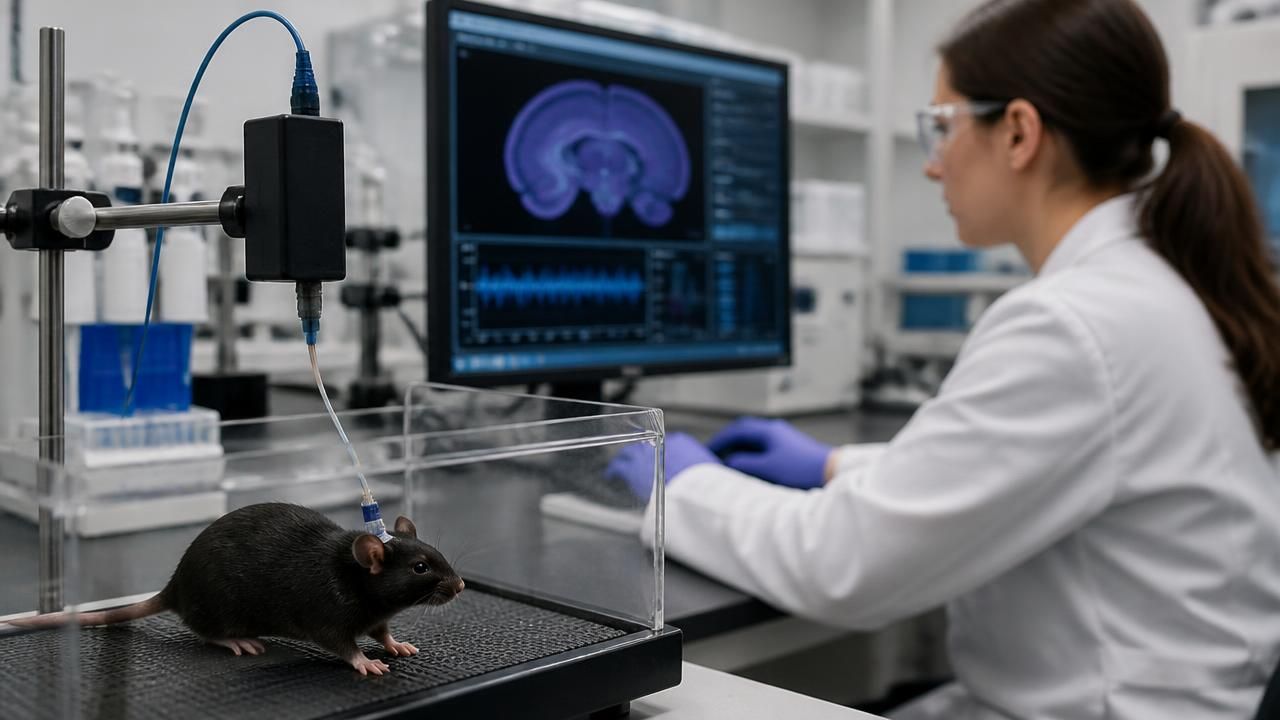
Stimulating the vagus nerve—the sprawling cranial nerve that carries signals between the brain and the body's major organs—has long been studied as a treatment for epilepsy and depression. Now a new line of research suggests it may play an unexpectedly direct role in something far more everyday: how well we learn and retain new motor skills.
According to findings reported by Science Daily, stimulating the vagus nerve in mice immediately after a practice session helped the animals develop stronger, longer-lasting motor learning. Crucially, the effect appeared tied to a specific window during which the brain is still consolidating a newly acquired skill—suggesting the stimulation does not create learning outright but instead helps lock it in.
A Window for Locking In New Skills
The mechanism, the researchers found, is not purely neural. The boost in retention was linked to rhythmic changes in the blood vessels of the brain, hinting that body-to-brain signals—blood flow, vascular pulsation, and other physiological cues—may help prepare the brain for lasting change. In other words, the vagus nerve may act less like a switch and more like a metronome, setting a rhythm that the learning brain can organize around.
That framing is a significant shift. Much of the popular conversation around the vagus nerve has centered on calm and stress reduction. This study places it squarely in the territory of memory, motor control, and rehabilitation—areas where even modest gains can be meaningful for stroke recovery, physical therapy, and athletic training.
From Depression to Exercise: The Clinical Picture
The new motor-learning work arrives alongside a growing clinical evidence base. CNN has reported on research indicating vagus nerve stimulation may relieve treatment-resistant depression—one of the most persistent and difficult-to-treat psychiatric conditions. For patients who fail multiple courses of medication, implanted vagus nerve stimulators offer a mechanistically different route, delivering regular electrical pulses to the nerve via a device surgically placed in the chest.
Separately, Medical Xpress has highlighted research suggesting vagus nerve stimulation could help people get more exercise—whether by improving exercise tolerance, reducing the perceived effort of physical activity, or breaking the cycle of fatigue and inactivity that undermines cardiovascular health.
The common thread across these findings is regulation: the vagus nerve influences heart rate, digestion, inflammation, and mood, so modulating it can ripple across systems that rarely respond well to single-target interventions.
The Consumer Boom: From Clinics to Wearables
As clinical interest grows, a parallel consumer market has exploded. Wareable has published a 2026 roundup of the best vagus nerve stimulation devices for stress and relaxation, alongside a long-term review of the ZenoWell device—part of a wave of gadgets that promise relaxation, better sleep, and lower stress without a prescription.
Retail-facing coverage has followed. USA Today has promoted Pulsetto, a wearable vagus nerve stimulator marketed to lower stress and improve sleep, complete with an exclusive discount code—a sign of how quickly the category has moved from neurology clinics to the wellness aisle.
"I wore a vagus nerve stimulator for 30 days to see if it would decrease my stress."
That headline, from MSN, captures the dominant consumer narrative: self-experimentation, anecdotal results, and a hunt for measurable calm. Prevention has likewise leaned into the mainstreaming of the science with explainers on the five ways the vagus nerve can boost health and how to activate it, while Psychology Today has framed the whole phenomenon as the "brain-body connection"—a concept that resonates with readers far beyond the laboratory.
The Caveats: Enthusiasm Outpacing Evidence
The enthusiasm is understandable, but the gap between clinical evidence and consumer marketing remains wide, and several of the source articles were inaccessible or paywalled at the time of this report. Experts quoted in general-audience coverage have cautioned that vagus nerve stimulation is not a panacea. Implanted devices used for depression and epilepsy are regulated medical treatments with real risks, including infection and nerve damage. Wearable, transcutaneous devices—which stimulate the nerve through the skin of the neck or ear—operate at far lower intensities and, while generally considered low-risk, have much thinner evidence for effects on mood, sleep, and learning.
There is also a simple interpretive problem: stress, sleep quality, and skill retention are notoriously susceptible to placebo effects and self-reporting bias. A wearable that makes you feel calmer may genuinely reduce stress—through relaxation, ritual, or expectation—without that benefit being attributable to nerve stimulation itself.
Why It Matters
The convergence of these threads—mouse studies on motor consolidation, trials in treatment-resistant depression, research on exercise adherence, and a booming consumer device market—suggests the vagus nerve has become a rare kind of scientific subject: one that straddles neuroscience, cardiology, psychiatry, and commerce simultaneously.
The most promising near-term implication may be the trickiest to monetize. If a brief, precisely timed burst of stimulation after practice can help a skill stick, the application is not a lifestyle gadget but a protocol—one that could eventually be tested in rehabilitation clinics, classrooms, and training facilities. For now, the science points toward a real, biologically plausible effect that is still being separated from the hype surrounding it. The next few years of clinical trials—not product launches—will determine which claims survive.