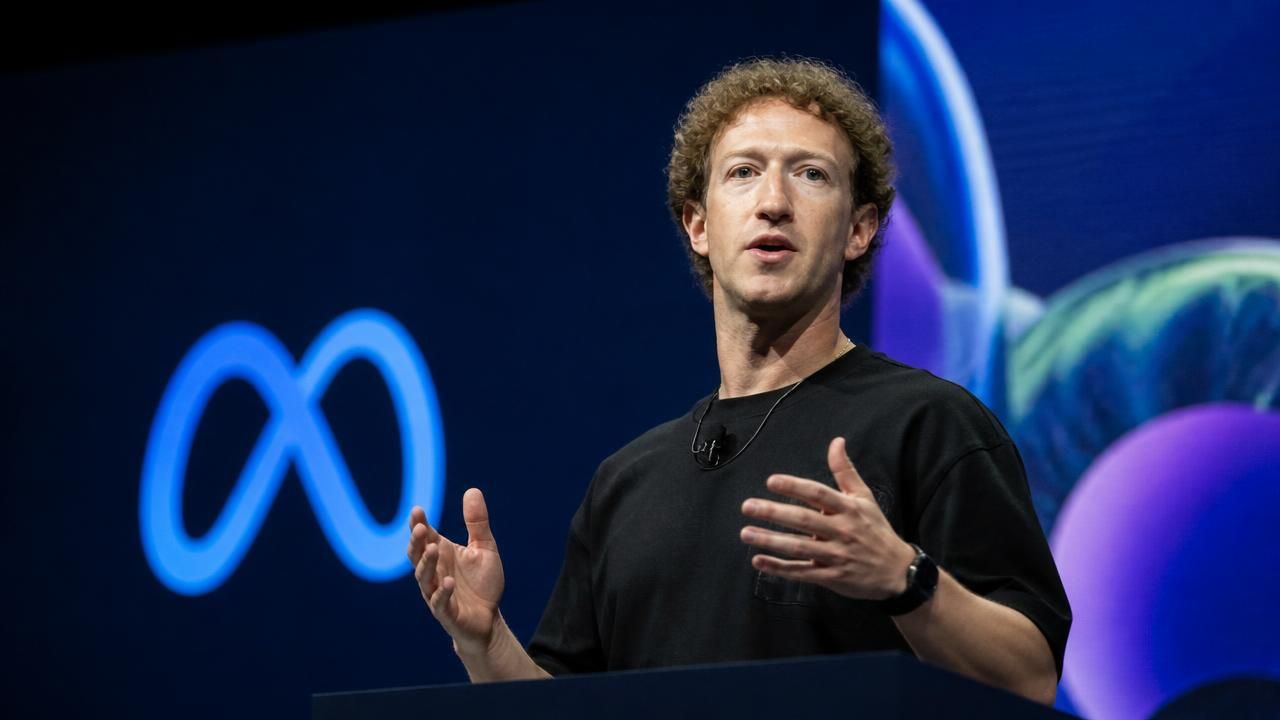
Meta is making a deliberate return to open source, releasing both a 30-billion-parameter AI model and the software development kits needed to build custom hardware around it. The twin announcements — an agent-optimized model called Muse Glimmer and a set of open-sourced SDKs for do-it-yourself "Muse gadgets" — mark one of the company's most aggressive attempts yet to seed an ecosystem rather than just ship a product.
According to VentureBeat, Muse Glimmer is licensed under Apache 2.0, a permissive arrangement that lets developers use, modify, and redistribute the model commercially. Campus Technology framed the release in more consumer-friendly terms, describing it as an "open-weight AI model designed to run on consumer hardware" — a significant detail, since most frontier-class agent models today require data-center infrastructure.
Two announcements, one strategy
The gadget SDKs are the more unusual half of the story. As The Verge reported, Meta is inviting developers to build their own Muse-powered devices using off-the-shelf components. The company suggests projects like loading the Muse agent onto a color E Ink display to surface reminders, embedding it in an HDMI stick to put Muse on a big screen, or squeezing it into a small touchscreen to create what amounts to a homemade version of a wearable AI charm.
"Muse gadgets are open source devices you build yourself," Meta says. "Program an off-the-shelf ESP32 board or set up a Raspberry Pi with our SDKs, then connect Muse to your displays, buttons, sensors, actuators, and whatever else you've got lying on your workbench."
The phrasing is telling. Meta is not competing with Apple or Amazon on finished consumer hardware here; it is courting the maker community — the Raspberry Pi and ESP32 crowd — as a low-cost distribution channel for its AI agent. Unite.ai characterized the move as Meta open-sourcing "Muse gadget SDKs for DIY AI hardware devices," a framing that emphasizes breadth of possible form factors over any single product.
Benchmark claims meet independent scrutiny
The release has also revived a familiar argument about how AI performance gets marketed. TechRepublic reported that Meta claims its Muse Spark 1.3 — a variant or successor designation in the Muse line — beats GPT-5.6 Sol at coding tasks, while noting that independent tests are "more mixed." That gap between vendor benchmarks and third-party evaluation has become a recurring theme across the industry, where coding and agentic benchmarks are often measured on curated task sets that may not reflect messy real-world workloads.
The divergence in how outlets labeled the model — Muse Glimmer versus Muse Spark 1.3 — also suggests Meta is shipping a family of related releases rather than a single artifact, with naming that has yet to settle in public coverage.
The money question
Open-sourcing a 30B agent model sits awkwardly beside Meta's enormous capital expenditure on AI infrastructure. Yahoo Finance framed the Muse Glimmer launch directly against an intensifying "open-source AI spending debate," the ongoing argument over whether giving away model weights undercuts the billions companies are pouring into compute and data centers.
Meta's answer, implicit in the strategy, is ecosystem lock-in and talent: an open model that runs on cheap hardware generates goodwill, developer familiarity, and downstream demand for Meta's paid services. VentureBeat separately reported that Meta is standing up an enterprise AI platform and has recruited MongoDB's chief executive to lead it — a signal that the company intends to monetize the agent stack at the business level even as the consumer-facing pieces are given away.
A hardware hobbyist in the executive suite
The DIY gadget push may have an internal champion. MSN reported that Nat Friedman, the former GitHub CEO whom Meta hired to lead its AI products, bought hundreds of Mac minis for his team — an unorthodox procurement decision that fits the profile of someone building hands-on hardware and agent experiments rather than purely cloud-based demos.
Friedman's GitHub pedigree matters here too. Open-source distribution, developer tooling, and community-led adoption are the mechanics he knows best, and the Muse SDKs read like a GitHub-era playbook applied to AI hardware.
Why it matters
The competitive context is a market splitting into two camps: closed, API-first frontier labs and open-weight challengers that trade some capability for distribution and control. By pairing an Apache 2.0 model with hardware SDKs, Meta is betting that the next wave of AI interaction will not happen exclusively inside a phone app or a chatbot window, but in cheap, single-purpose devices scattered around a home or workshop.
- For developers: a permissively licensed agent model plus hardware reference paths lowers the cost of experimentation to roughly the price of a Raspberry Pi.
- For enterprises: an open-weight model can be run on-premises, a meaningful advantage for regulated industries wary of sending data to third-party APIs.
- For Meta: the strategy builds developer mindshare and a hardware ecosystem it does not have to manufacture — while the spending debate over whether open source pays for itself remains unresolved.
What remains unproven is whether hobbyist enthusiasm converts into durable platform adoption. Meta has seeded the parts bin; whether anyone builds something lasting from it is now up to the workbench.