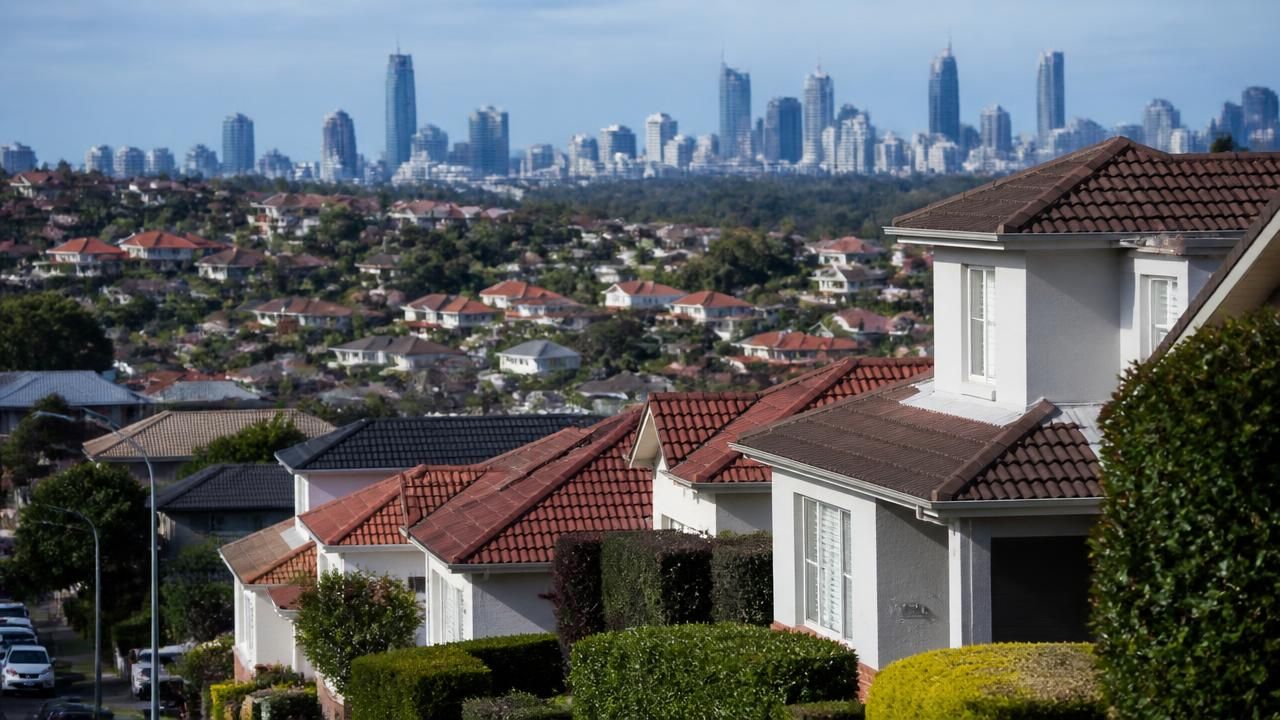
Australia's long property boom is giving way to a deepening correction, with new data showing prices falling for a sixth consecutive month and declines spreading from the biggest cities into suburbs that had once seemed insulated. The downturn is now touching 93 per cent of suburbs in Australia's capital cities, according to MSN, while Reuters reports the August figures point to more pain ahead. National property values have been shaved by 5.2 per cent, with Brisbane and Sydney hit hardest, The Guardian reports.
The scale is rare for a market that for three decades has been a one-way bet. Bloomberg Markets notes that national house prices rose roughly 70 per cent in the past seven years alone, making Australia one of the most expensive property markets in the developed world. Now, with affordability stretched and borrowing costs rising, that momentum has reversed. MSN reports that prices have dropped for six straight months, with falls of up to 15 per cent expected in some forecasts. Commonwealth Bank, the country's largest lender, forecasts a 9 per cent decline, according to news.com.au.
From Boom to Broadening Decline
The geography of the downturn is shifting. Earlier falls were concentrated in Sydney and Melbourne, but The Guardian reports Brisbane and Sydney are now the hardest hit as the 5.2 per cent national decline filters through. MSN's report that the downturn has spread to 93 per cent of capital-city suburbs captures how broad the correction has become. Another MSN analysis warns that Australia's 'safe' housing markets are now falling too, undermining the idea that some regions could escape the cycle.
Reuters describes the August data as a deepening downturn, with more pain ahead. The wire service also highlights a less visible consequence: billions in collateral damage. The hidden costs range from slower construction and weaker household spending to pressure on government revenues that depend on property taxes and stamp duty. In a country where housing is a national obsession and a key economic engine, falling prices ripple far beyond homeowners' balance sheets.
A Collapse or a Correction? The Framing Fight
Not everyone sees the decline as a crisis. The Guardian's economics columnist Greg Jericho argues that horror warnings about Australia's 'collapsing' housing market are absurd and very much in bad faith. His intervention captures a broader divide in how the story is being told. Some outlets emphasize the pain for recent buyers and the risk of negative equity, while others frame the correction as overdue relief after years of runaway prices.
Horror warnings about Australia's 'collapsing' housing market are absurd – and very much in bad faith.
The Barefoot Investor, a popular Australian personal-finance commentator, offered a blistering message for Australians complaining about falling house prices, according to MSN. His argument reflects a view that the complaints of existing owners often ignore the barriers facing first-home buyers. Yet MSN also reports proof that it is harder for first-home buyers, even as prices fall. Higher interest rates, tighter lending standards and the deposit hurdle mean a cheaper market is not necessarily an accessible one.
The Hidden Costs and the Road Ahead
Reuters's focus on 'billions in collateral damage' underscores why the housing slowdown matters beyond individual transactions. When prices fall, developers delay projects, sellers withdraw listings, and households cut spending as their wealth effect fades. The construction pipeline weakens, and state governments that rely on property transfer duties face budget gaps. The Reserve Bank of Australia, meanwhile, must weigh falling asset prices against inflation and employment when setting interest rates.
The forecasts vary widely. MSN reports expectations of falls up to 15 per cent, while CBA's central case is a 9 per cent drop. The difference reflects uncertainty over how high rates will go and how quickly sellers adjust. If the decline is orderly, it may restore some affordability without crashing the economy. If it accelerates, the negative wealth effect could deepen a slowdown.
For now, the data points in one direction: the downturn is broadening, not bottoming. The Guardian's report on the 5.2 per cent national decline, Reuters's warnings of more pain ahead, and MSN's finding that 93 per cent of capital-city suburbs are falling all describe a market in transition. The debate is no longer whether Australian housing is cooling, but how cold it will get—and who will bear the cost.