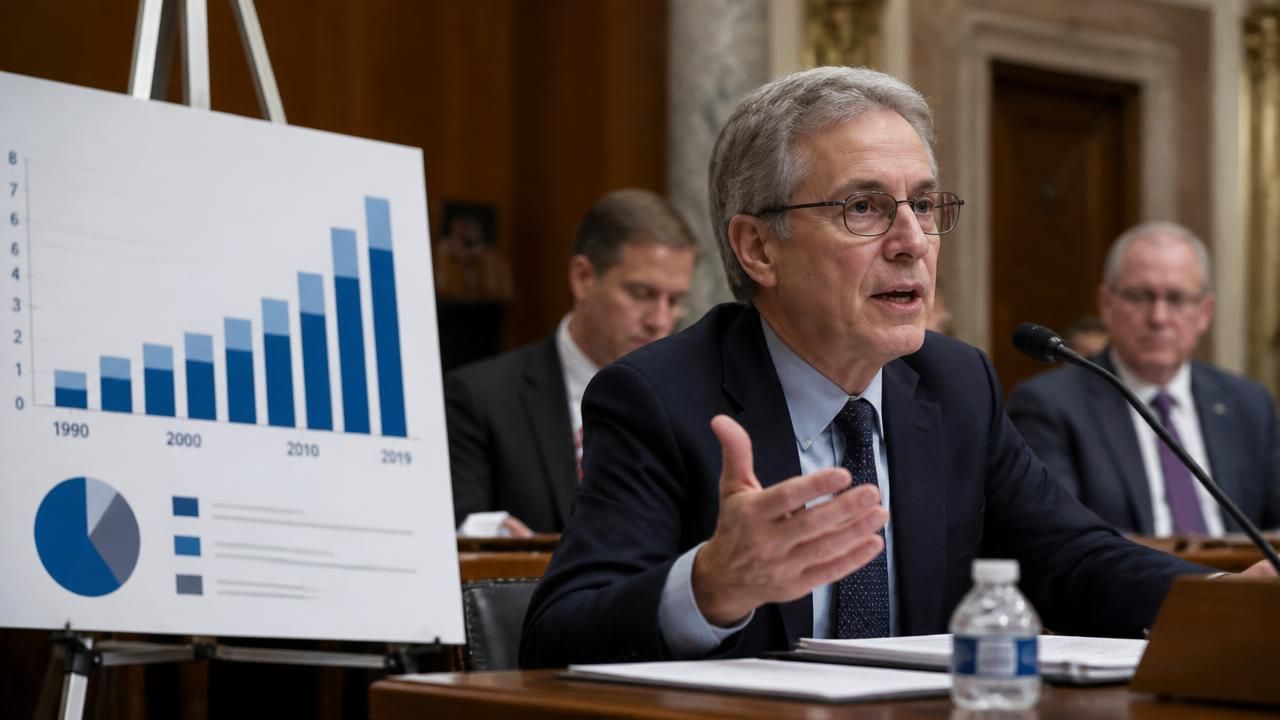
The number of patents protecting individual prescription drugs in the United States has more than tripled over three decades, according to a study published Monday in JAMA — offering some of the most concrete evidence yet that pharmaceutical manufacturers are systematically extending monopolies over medicines that Americans already pay far more for than patients in peer countries.
Researchers found that small-molecule drugs approved in 1990 carried an average of 2.1 patents. By 2019, that figure had climbed to 6.9 patents per drug. Critically, most of the growth came not from patents on a drug's active ingredient — the molecule that actually does the therapeutic work — but from so-called nonprimary patents covering peripheral features.
What counts as a nonprimary patent
The JAMA analysis categorizes the surge in filings by what the patents actually cover. Rather than protecting genuine pharmaceutical innovation, the new patents clustered around areas such as:
- Minor tweaks to a drug's nonactive ingredients, such as reformulating a liquid into a tablet
- Updates to the way a drug is prescribed or used, including dosing schedules
- The design of specialty delivery devices, such as auto-injectors and pen injectors
Individually, each of those patents may be narrow. Stacked together on a single medicine, they form what researchers and regulators call a patent thicket — a dense legal perimeter that generic competitors must dismantle or design around before they can bring a cheaper version to market.
The thicket problem
The practical effect is that a drug can remain effectively exclusive long after the patent on its underlying molecule has expired — with no corresponding clinical advance for patients. Generics, which typically sell for a fraction of brand prices, arrive years later than they otherwise would, and spending stays elevated in the interim.
“The cost of healthcare in general is a debilitating, pre-existing condition for Americans. But the high prices of prescription drugs usually stand out as a pain point,” Ars Technica wrote, noting that while there are many factors behind the disparity, “exploitation of the US patent system is an obvious one.”
The pricing gap is well documented. Research from the RAND Corporation has repeatedly found that US brand-name drug prices run roughly two-and-a-half times higher than those in comparable high-income nations. Americans fill fewer prescriptions per capita than patients in many of those countries and still spend more overall.
Congress turns to insulin — and to patents
Attention on the patent system is converging with a separate, decades-long fight over insulin. Forbes reported this week that Congress is targeting both insulin costs and drug patent practices, reflecting a bipartisan appetite for action that has been building since the price of the hormone roughly tripled between 2002 and 2013. Roughly 8 million Americans with diabetes rely on insulin, and surveys have found that a substantial share have rationed doses because of cost.
The Inflation Reduction Act of 2022 capped insulin at $35 per month for Medicare beneficiaries, and a separate bipartisan effort to extend that cap to commercially insured patients fell short in the Senate. Lawmakers have since widened their focus from individual drug prices to the mechanisms — including patent thickets — that manufacturers use to defend market exclusivity.
Two framings of the same story
Coverage of the JAMA findings split along familiar lines. Consumer-facing outlets like MSN cast the issue in bluntly economic terms, framing Big Pharma's patent monopoly as an instrument that is “stealing your next paycheck — and driving up costs,” positioning drug spending as a household wage problem rather than an abstract policy debate.
The trade press and editorial boards took a more explicitly legislative line. The Daily Record argued plainly that “Big Pharma's patent games are costing patients” and that Congress must act, treating the study as a mandate for reform rather than merely a data point. Ars Technica, meanwhile, located the story within the broader dysfunction of US healthcare economics, treating patent exploitation as one of several “insidious reasons” Americans pay more.
The distinctions matter because they point toward different remedies. A consumer-framing story invites price caps and rebate mandates. A patent-framing story invites procedural reform at the US Patent and Trademark Office — higher bars for obviousness, limits on the number of claims per drug, and greater scrutiny of follow-on filings.
What happens next
Policy analysts have floated several proposals: requiring the patent office to consider a drug's full patent portfolio when reviewing new claims, tightening rules on nonprimary patents, and shortening the exclusivity periods that thickets effectively manufacture.
Meanwhile, Medicare's newly authorized drug price negotiation program is already underway, with the first negotiated prices scheduled to take effect in 2026 — an initiative that the pharmaceutical industry has challenged in court and that Congress has continued to scrutinize.
The JAMA study gives reformers a fresh quantitative anchor: a threefold rise in patent stacking that researchers say has not been matched by comparable clinical benefit. Whether that evidence translates into legislation — on insulin, on patents, or on both — is now a question for Capitol Hill rather than the laboratory.