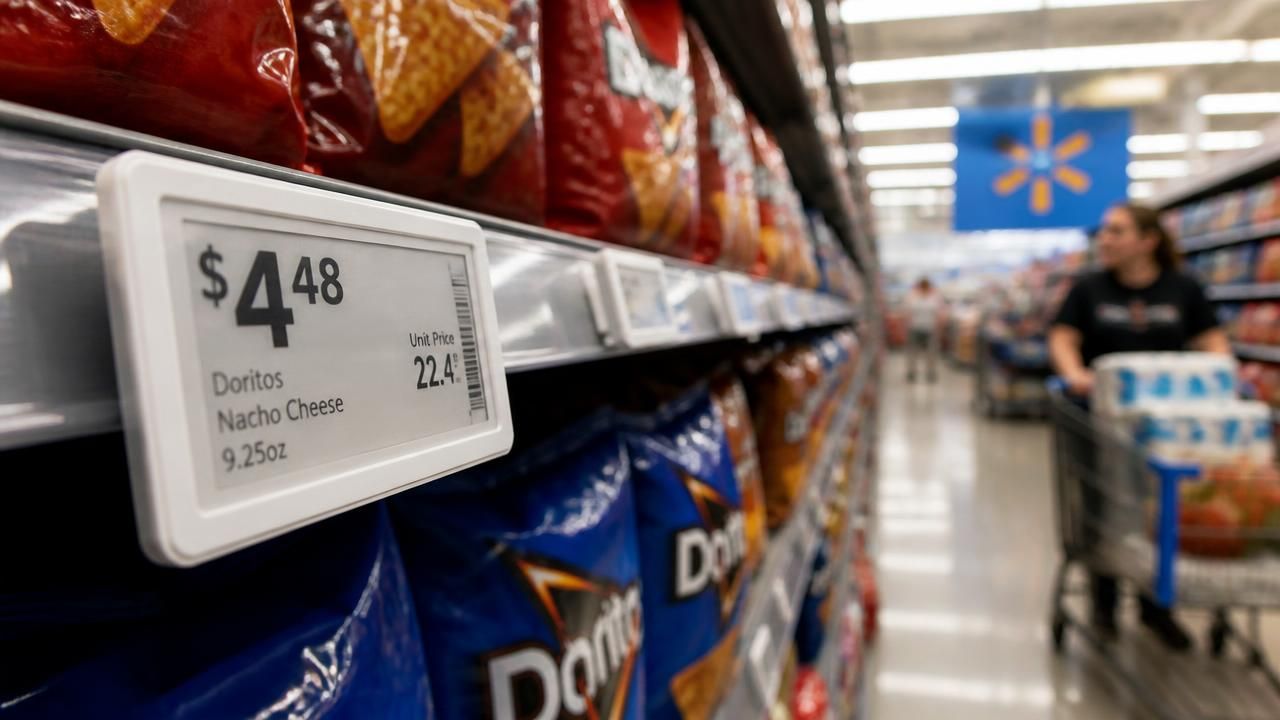
Walmart is pushing back against a wave of speculation that its expanding network of digital shelf labels and its growing use of artificial intelligence could be used to charge shoppers different prices based on their personal data. In a letter to customers, Walmart CEO John Furner said the company will not adjust prices based on a shopper's income, browsing history, urgency, or assumptions about what they might be willing to pay.
"Your income, shopping history, urgency or what we think you could pay won't change the price," Furner wrote. "And whether you're buying groceries or electronics on a hot afternoon or in a sudden rush for an item, it's never a reason to charge you more."
The statement, first reported by The Wall Street Journal and covered widely by outlets including The Verge, The Associated Press, and Retail Dive, amounts to a rare, on-the-record denial from one of the world's largest retailers on a topic that has become a flashpoint in the broader debate over algorithmic pricing.
Why Walmart Is Speaking Out Now
At the center of the controversy are electronic shelf labels, the small digital price displays that are gradually replacing paper tags in Walmart stores. The technology allows store associates to update prices remotely, a change the company says is designed to save labor and reduce errors rather than to enable dynamic or "surge" pricing.
Furner framed the rollout as a purely operational upgrade. "We price the product, not the person," he wrote, according to coverage of the letter, a line that has become the company's central talking point. He also said Walmart would not use conversations captured through its AI assistant, Sparky, or other customer interactions as a basis for setting prices.
The Broader Fears Driving the Backlash
The reassurances come amid mounting public anxiety about "dynamic pricing" and "personalized pricing," two related but distinct practices. Dynamic pricing refers to adjusting prices based on real-time factors such as demand, time of day, or inventory. Personalized pricing goes further, tailoring the price to an individual shopper based on data about them.
Both practices have drawn scrutiny across the economy. Airlines and hotels have used demand-based pricing for decades, and ride-hailing companies like Uber popularized surge pricing. More recently, the technology has crept into physical retail and fast food, prompting regulators and consumer advocates to warn about transparency and fairness.
"Your income, shopping history, urgency or what we think you could pay won't change the price." — Walmart CEO John Furner, in a letter to customers
Digital shelf labels have intensified those concerns because they make rapid, store-wide price changes technically trivial. A system that can update thousands of tags in minutes could, in theory, shift prices with demand — a scenario that has fueled viral speculation on social media, much of it unverified.
How Different Outlets Framed the Story
Coverage of Furner's letter varied in emphasis. The Verge led with the customer-facing promise, highlighting the specific categories Furner said would not influence pricing. Retail Dive framed the letter as a direct response to dynamic pricing concerns. Several MSN-syndicated reports zeroed in on the quotable slogan, "We price the product, not the person," while another emphasized that Walmart was embracing the labels but rejecting dynamic pricing outright, with the headline "We Won't Do It."
The Associated Press took the broadest angle, tying the denial to the company's expansion of digital shelf labels and its use of AI — placing Walmart's announcement in the context of a retail industry increasingly powered by data and automation. Together, the coverage portrays a company trying to get ahead of a narrative before it hardens into consumer distrust.
What Walmart Actually Said — and Didn't
The letter is notable for what it rules out. According to Furner, Walmart will not set prices based on:
- A shopper's income or financial profile
- Purchase or browsing history
- Urgency, such as buying during a rush or in hot weather
- Estimates of what a customer could be willing to pay
- Conversations with the company's AI assistant, Sparky
What the letter does not address is whether Walmart might use dynamic pricing in ways that don't involve personal data — for example, adjusting prices store-by-store based on local competition or inventory. The company's public statements have focused narrowly on rejecting personalization, leaving some questions open.
Why It Matters
Walmart is the largest private employer in the United States and one of its biggest grocers, so its pricing practices carry outsized weight. If the retailer adopted algorithmic, personalized pricing, it could accelerate adoption across the industry — and if it credibly rejects the practice, it could set a reputational standard competitors feel pressured to follow.
The episode also illustrates a broader tension in retail's digital transformation. Technologies introduced for efficiency — digital labels, AI assistants, data analytics — can easily be repurposed for pricing power, and consumers know it. Retailers are discovering that the mere capability to change prices dynamically can be enough to trigger suspicion, whether or not the capability is used.
For now, Walmart is betting that a public, plain-language pledge will quiet those fears. Whether the promise holds as the technology matures — and whether shoppers trust it — remains the open question.