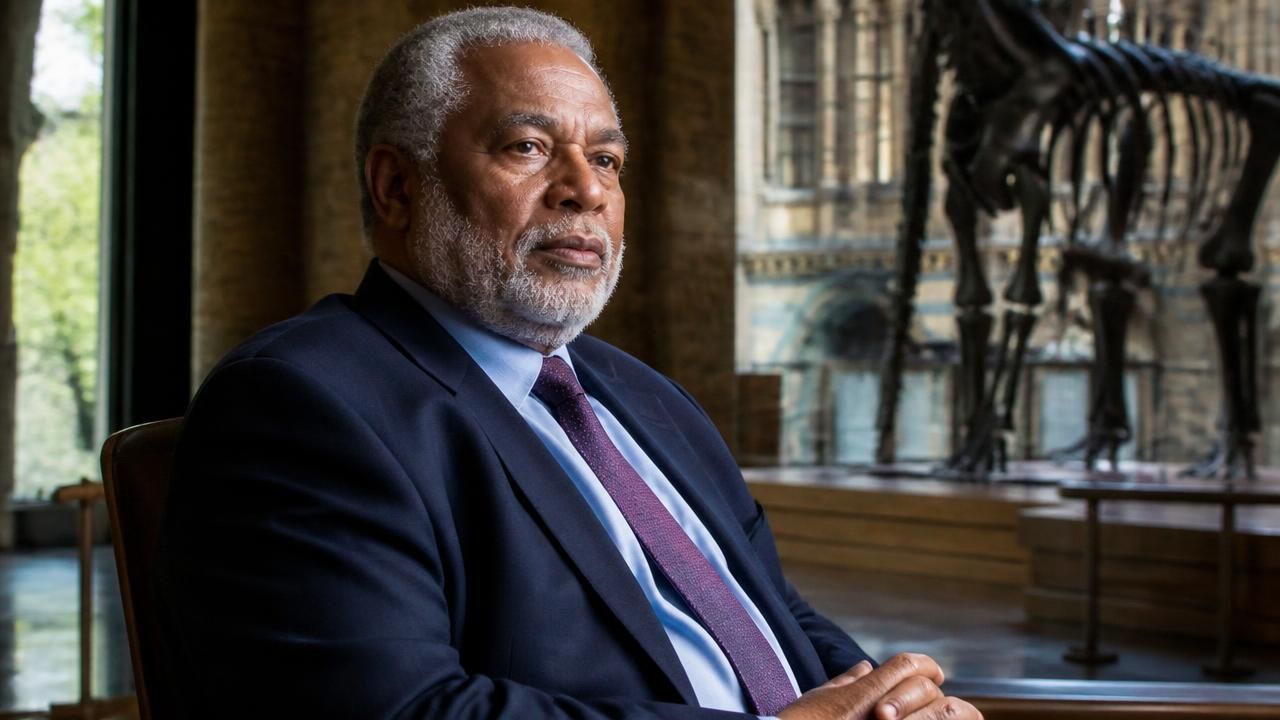
The Smithsonian Institution, the world’s largest museum, education, and research complex, is facing one of the most turbulent moments in its 179-year history. Lonnie Bunch, the first African American to serve as its secretary, has announced he will retire, a decision that comes after months of escalating conflict with the Trump administration over how the nation’s history should be presented, funded, and remembered.
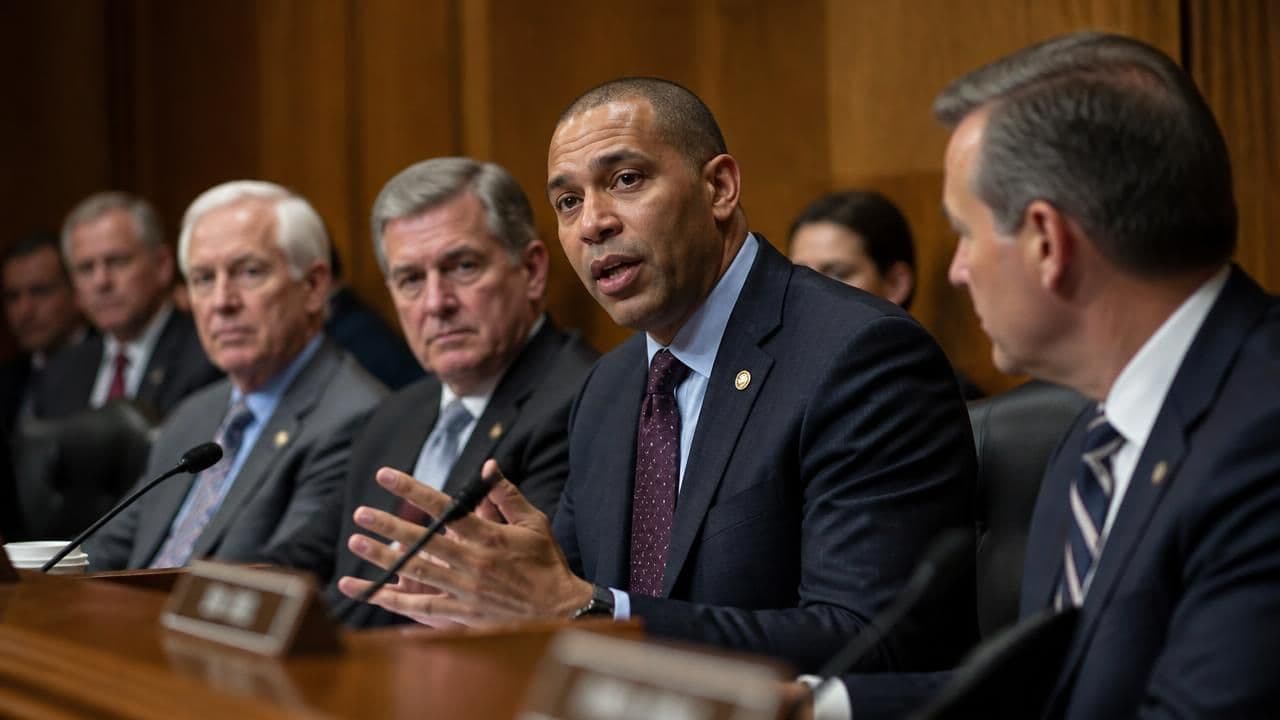
Bunch’s departure was confirmed amid a White House campaign that has accused the Smithsonian of “ideological capture,” threatened to cut federal support, and reportedly plans to install signs at its facilities accusing the institution of political bias. The administration has also floated a proposal to erect a 30-foot statue of George Washington that would replace a 1967 federal sculpture, a move critics see as part of a broader attempt to reshape national memory.
A White House Report and a Franklin Exhibit
At the center of the dispute is a 162-page White House report released in July that argued the Smithsonian’s National Museum of American History had strayed from “straightforward historical education and scholarship” toward “an extreme political activism that seeks to transform our country.” The report singled out an exhibit called “The Electric Dr. Franklin,” which ran from 2021 until 2025 and is still available online.
The exhibit described Benjamin Franklin’s pioneering contributions to electrical science while also noting that he had enslaved people in his household. “Benjamin Franklin’s remarkable scientific accomplishments were, in part, enabled by slavery,” the exhibit stated. It further speculated that enslaved people or indentured servants may have assisted Franklin in his electrical experiments, adding: “Indentured servants and enslaved people in his household could also have been used, although we may never know for certain.”
“Ideological capture ... moved the Museum’s mission away from straightforward historical education and scholarship toward an extreme political activism that seeks to transform our country.” — White House report
The administration seized on such passages as evidence of bias. But historians and museum officials say the exhibit reflected mainstream scholarship that examines the intertwined legacies of slavery and the Founding Fathers. The report’s criticism, they argue, is less about factual accuracy than about political control over how America’s past is interpreted.
Who Is Lonnie Bunch and Why He Matters
Lonnie Bunch became the Smithsonian’s 14th secretary in 2019, after serving as the founding director of the National Museum of African American History and Culture. His appointment was historic: he was the first Black leader of the institution, and he oversaw the Smithsonian during the COVID-19 pandemic, a period of racial reckoning, and a widening partisan divide over public history.
Under Bunch, the Smithsonian expanded its digital offerings, opened new exhibitions, and navigated controversies over monuments and historical interpretation. But his tenure also coincided with the Trump administration’s growing scrutiny of cultural institutions. The White House report, the funding threats, and the proposed signage have created what many observers describe as an untenable political environment.
“Who wants to sign up to deal with the political pressure?” one Smithsonian watcher told MSN, reflecting the anxiety now hanging over the search for Bunch’s successor. The institution’s Board of Regents is expected to lead a national search, but candidates may be wary of stepping into a job that now requires not only scholarly credentials but also political resilience.
A Battle Over Memory and Money
The Smithsonian receives a significant portion of its funding from the federal government, which makes it especially vulnerable to political pressure. The administration’s threat to cut support has alarmed museum leaders, donors, and lawmakers who fear that budget reprisals could undermine research, preservation, and public programming across the Smithsonian’s 21 museums, 14 education and research centers, and the National Zoo.
The proposal to put up signs accusing the Smithsonian of political bias is highly unusual. Typically, such disputes are fought through congressional hearings, budget amendments, or public statements. Physical signage at federal museums would mark an extraordinary escalation, turning exhibition spaces into battlegrounds for partisan messaging.
The 30-foot Washington statue plan adds another symbolic dimension. The current 1967 federal sculpture would be replaced by a towering figure of the first president. Supporters say the change would restore a more traditional patriotic iconography. Critics counter that it is part of a coordinated effort to erase or minimize exhibits that address slavery, colonialism, and systemic racism.
Differing Frames: Victory, Casualty, or Cautionary Tale
Different outlets have framed Bunch’s retirement in sharply contrasting ways. The New York Times asked, “Did Trump Win the Battle Over the Smithsonian?”—suggesting the administration’s pressure campaign has already achieved a major victory. The New Republic focused on race and power, calling Bunch “the first Black Smithsonian head” to retire “as fight with Trump ramps up.” The Philadelphia Tribune’s editorial board was blunter, calling his exit “the latest casualty in Trump’s war on Black history.”
Conservative voices, by contrast, argue that the Smithsonian had drifted into left-wing advocacy and that the White House is simply demanding accountability for taxpayer dollars. They point to the Franklin exhibit’s conjecture about enslaved assistants as an example of speculative scholarship presented as fact.
Museum professionals and free-expression advocates warn that the real danger is not any single exhibit but the precedent of political appointees deciding what constitutes acceptable history. If federal funding can be wielded to punish interpretive choices, they say, the Smithsonian’s independence—and its ability to serve as a trusted national archive—is at risk.
What Comes Next
The search for a new Smithsonian secretary will be a critical test. The next leader will have to manage a sprawling institution, reassure nervous staff, court private donors, and navigate a White House that has shown a willingness to intervene directly. The outcome will signal whether the Smithsonian can remain a place of rigorous, independent scholarship or becomes another front in the culture war.
For now, Bunch’s retirement leaves a void at the top of an institution that millions of Americans visit each year. The battle over its future is not just about one leader or one exhibit. It is about who gets to tell the American story—and whether that story can include the parts that are painful, contested, and unresolved.