A federal judge in California is now the single most important gatekeeper standing between Paramount Skydance and its $111 billion acquisition of Warner Bros. Discovery — and the coalition trying to stop the deal is making its final argument that the settlement meant to resolve a twelve-state antitrust lawsuit grants the public “virtually nothing.”
The filing, submitted to U.S. District Judge Araceli Martínez-Olguín by the Committee for the First Amendment, Free Press, Freedom of the Press Foundation, Future Film Coalition, and International Documentary Association, asks her to reject a settlement between California Attorney General Rob Bonta and Paramount. Twelve states led by California sued to block the transaction in July, and they initially won a significant procedural victory when Martínez-Olguín ruled that combining Paramount with Warner Bros. Discovery would likely reduce competition substantially and violate antitrust law.
A Settlement Nobody Agrees On
That victory now appears fragile. Bonta announced a settlement with Paramount earlier this week, and the other states involved in the suit signed on to the agreement — a development that surprised observers who had read the judge's preliminary ruling as a serious obstacle to closing. Under the terms described by the parties, Martínez-Olguín must still decide whether to approve the settlement. It is that decision the advocacy coalition is targeting.
But the procedural picture is unusually murky, and different outlets are framing it in sharply different ways. While Ars Technica and TV Tech reported the settlement as announced and awaiting judicial approval, the Washington Examiner reported that the California attorney general had cancelled a settlement meeting with Paramount outright. CNN, meanwhile, framed the moment as one in which Paramount and the state attorneys general are heading to the negotiating table rather than concluding a deal. The conflicting accounts underscore how fluid the situation remains a matter of days after the announcement.
Deadline added to the pressure campaign with a new video from the “Block the Merger” coalition urging policymakers to accept “no concessions” — a direct rebuttal to the idea that behavioral remedies, rather than a full block, can protect competition.
Why the Cable Business Haunts the Deal
At the heart of the antitrust case is the shrinking but still enormously profitable cable television business. Warner Bros. Discovery's linear networks — the cable channels that still generate billions in carriage fees even as cord-cutting accelerates — are the assets regulators and economists worry would be consolidated under a single owner alongside Paramount's CBS, MTV, Nickelodeon, and Showtime properties. Industry analysts have begun asking publicly whether the structural decline of the cable bundle could itself undo the merger's rationale: if the economics that justified the $111 billion price tag keep deteriorating, the combined company could be left carrying legacy assets whose value erodes faster than any promised synergies can materialize.
That tension sits awkwardly beside the deal's central promise. Paramount has publicly committed to releasing roughly 30 theatrical films a year post-merger, a volume that would make the combined studio one of the most prolific in Hollywood and a signal to exhibitors that the new entity intends to stay committed to the big screen rather than retreating entirely into streaming.
“I think it's awesome,” Tom Cruise said of the 30-movies-a-year pledge, lending star power — and considerable industry weight — to Paramount's pitch.
Ellison's Final Hurdle
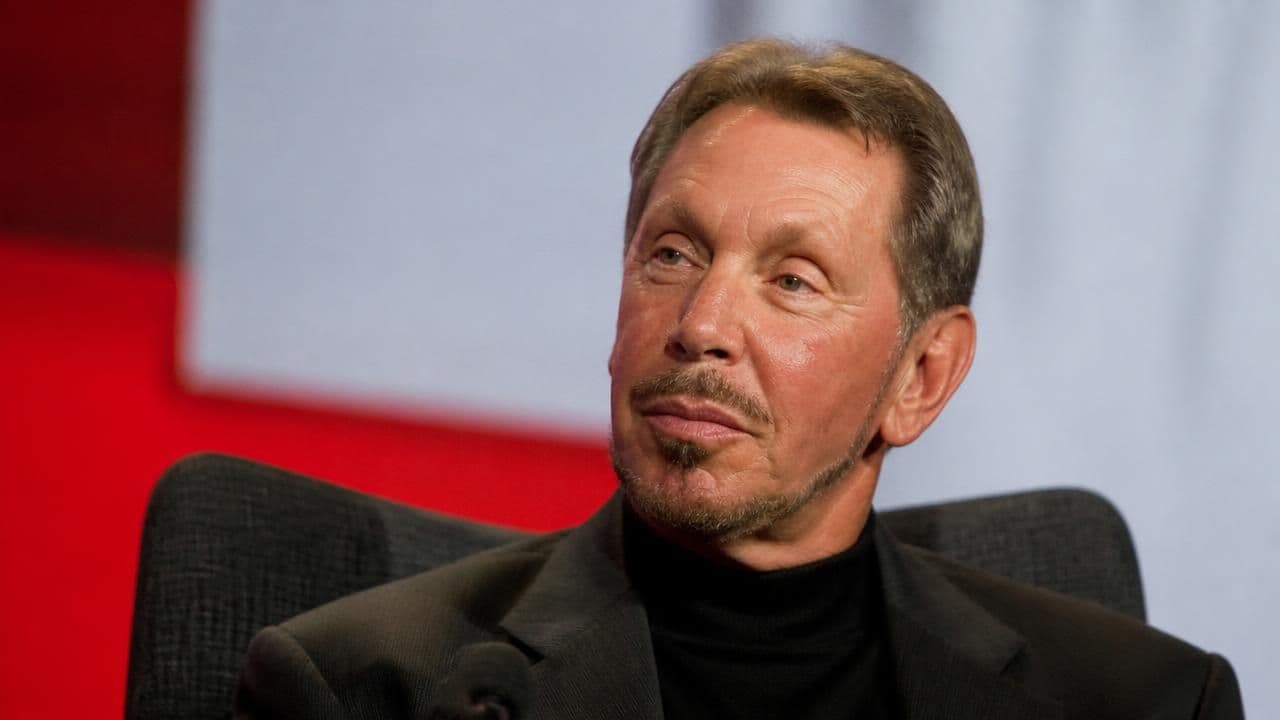
The man responsible for clearing that hurdle is David Ellison, the Paramount CEO whose Skydance Media engineered the transaction. CNBC reported that Ellison is at the final obstacle before buying Warner Bros. Discovery — and that so far he has been unable to clear it. The network also examined where the delay leaves WBD itself: parked in limbo, its strategy on hold, its employees and creative partners uncertain, and its stock price hostage to the outcome of a single judge's docket.
That limbo has real consequences. Studios in transition struggle to greenlight expensive projects, talent agencies hesitate to sign long-term deals, and rival buyers watch for signs that the transaction might collapse or be re-cut. A prolonged delay also gives opponents more time to organize — precisely what is happening, with advocacy groups, filmmakers' organizations, and press freedom bodies converging on a single message.
What the Judge Must Decide
Legally, Martínez-Olguín faces a narrower question than the merits of the merger itself: whether the settlement Bonta negotiated adequately addresses the competitive harms she already found likely. If she concludes that the concessions are cosmetic — the coalition's central claim — she can reject the agreement and set the parties back toward litigation.
If she approves it, the twelve-state challenge essentially evaporates, and Paramount Skydance can move to close. Forbes devoted a two-part analysis to the confrontation between the California attorney general and Paramount, reflecting how closely the business press is watching a case that could reset the balance of power across Hollywood, broadcast news, and the streaming economy.
For now, the outcome rests on filings, hearings, and a judge's assessment of whether a settlement that critics call an empty concession is, in fact, enough to protect a media market already consolidating at remarkable speed.