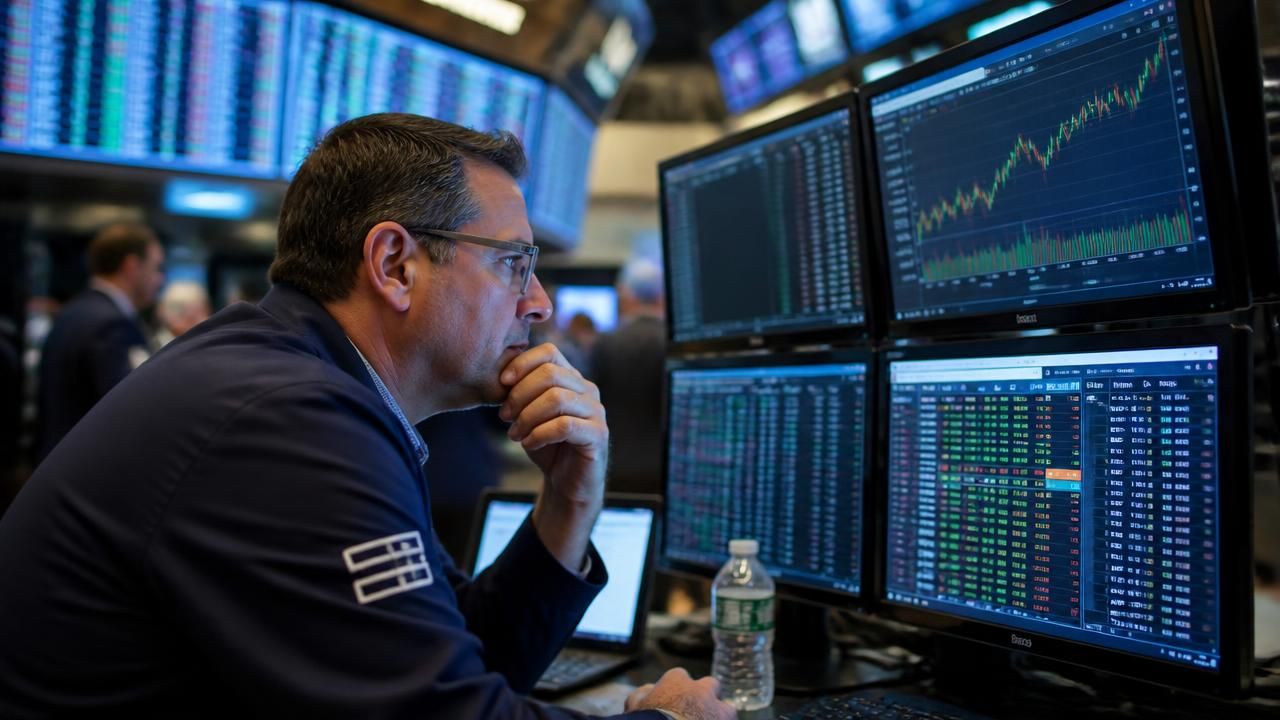
Retail investors are no longer the tourists of the exchange-traded fund market. Once dismissed as momentum-chasers who arrived late and left early, individual investors now represent a materially larger slice of ETF ownership — a shift that industry executives say is reshaping product design, distribution and, increasingly, risk management across the asset management industry.
The trend sits inside a widening divergence on Wall Street. Flows into broad, low-cost ETFs keep climbing, yet retail positioning in the market's most crowded theme — artificial intelligence — is turning defensive. At the same time, a striking $80.8 billion wager in oil inverse ETFs, reported by MSN, suggests a meaningful slice of the retail base is now trading volatility itself rather than picking long-term winners.
The ETF boom goes mainstream
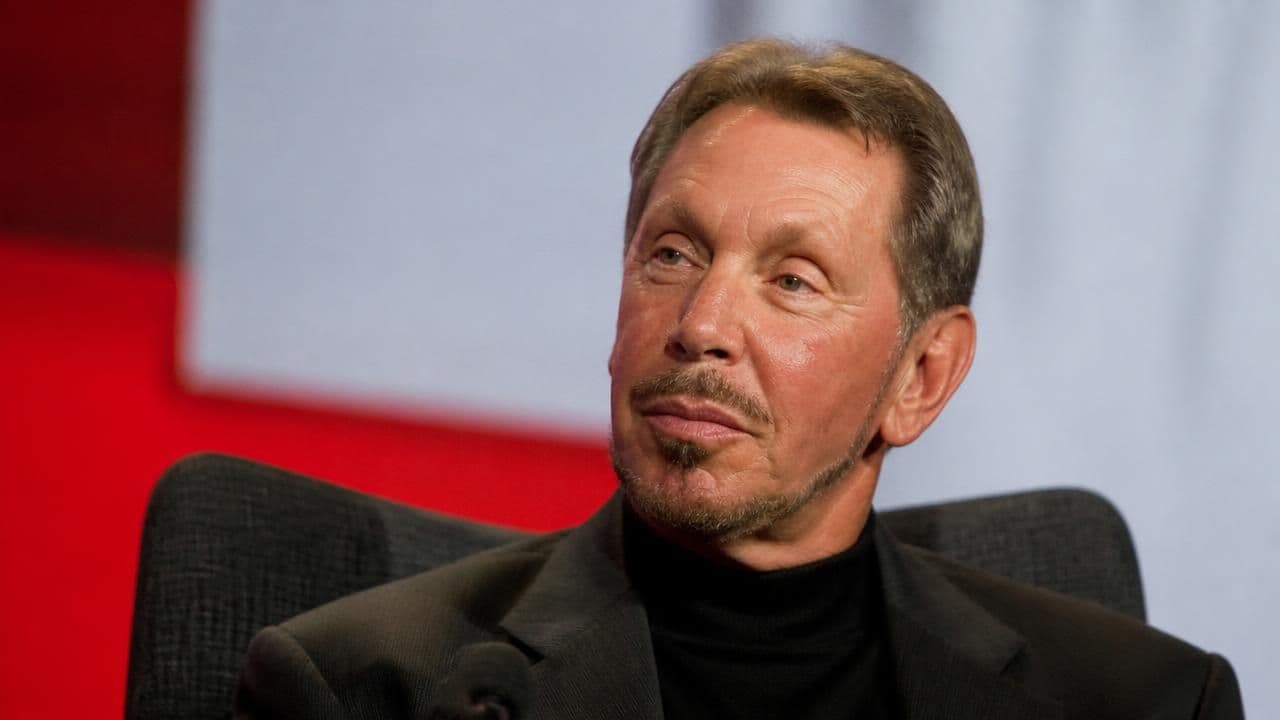
Anna Paglia, executive vice president and chief business officer at State Street Investment Management, appeared on Bloomberg's Open Interest to explain the scale of the shift, noting that retail investors now account for a far larger share of the ETF market than they did in the years following the 2008 financial crisis. That migration has been powered by commission-free trading, fractional shares, the rise of model portfolios, and a decade in which passive vehicles outperformed most active managers.
Retail investors now account for a much larger share of the market — and with that growth comes the gamification of investing, one of the clearest risks we are watching. — Anna Paglia, State Street Investment Management, on Bloomberg Open Interest
The gamification warning is not new, but it lands with more force now that retail money is large enough to move entire fund categories. App-based interfaces, streaks, leaderboards and social feeds have compressed the distance between a swipe and a leveraged bet. Regulators in the United States and Europe have spent several years scrutinizing whether these design choices encourage overtrading, and Paglia's comments place a major ETF issuer squarely on the side of caution.
Private credit moves toward the core
Paglia also argued that investment-grade private credit can become a lasting part of investors' core portfolios rather than a satellite allocation reserved for institutions. The pitch reflects a broader convergence: asset managers are packaging private markets into evergreen, semi-liquid vehicles that can sit inside a retirement account. Supporters say the strategy offers yield and diversification away from public equities and bonds; skeptics counter that valuation opacity and limited liquidity have not yet been tested through a full credit cycle. State Street's bet is that the wrapper — not just the underlying loans — is the product innovation that matters.
The AI trade: still owned, but hedged
The retail relationship with AI is where the story becomes more nuanced. CNBC reported that retail investors are not entirely giving up on the AI trade, but they appear noticeably more cautious — a framing echoed by the International Business Times, which described investors as suddenly hedging their bets rather than abandoning the theme. The distinction matters. Selling out of AI would be a directional call; hedging is a risk-management posture, and it implies retail participants have absorbed the lesson of concentration risk after two years in which a handful of megacap names drove index returns.
Practically, that caution shows up in rotating toward equal-weight funds, adding dividend or low-volatility exposure, holding cash-like ETFs, or pairing long AI positions with hedges. Full details of those reports were behind access restrictions at the time of publication, but the headline signals across multiple outlets point in the same direction: conviction intact, sizing reduced.
$80.8 billion on the other side of oil
The most vivid data point comes from inversed oil ETFs, where retail investors have placed an $80.8 billion bet, according to MSN. Inverse funds are structurally unforgiving — they reset daily, decay in choppy markets, and are designed for tactical trading rather than long-term holding. A flow of that magnitude into a leveraged, short-side product is the clearest evidence yet that a portion of the retail base is no longer investing in companies but in macro narratives: geopolitics, OPEC+ supply decisions, and the direction of global growth.
Whether that positioning is prescient or late is an open question. Oil has repeatedly defied consensus forecasts, and inverse vehicles can punish holders even when the underlying thesis is eventually correct.
Picking winners inside retail itself
Retail's growing footprint has also created a meta-question: should investors buy the retailers? Coverage of the VanEck Retail ETF (RTH) raises that issue directly. A fund tracking traditional retail equities is a different animal from a fund tracking retail investor behavior — one is exposed to consumer spending, the other to trading activity. The confusion between the two is a useful reminder that the retail-investor story is now significant enough to spawn its own thematic products.
How the framing differs
- Bloomberg frames the story institutionally — an ETF issuer explaining market structure, product evolution and conduct risk.
- CNBC and IBTimes frame it behaviorally — what retail is doing with the AI trade, and why caution is replacing conviction.
- MSN aggregates the spectacular numbers, emphasizing flows and tickers over structural analysis.
What to watch
- Whether ETF inflows stay broad-based or concentrate further into derivatives-heavy, single-theme funds.
- Regulatory attention on app design and gamified trading interfaces.
- Performance of investment-grade private credit as it enters retail core allocations.
- Whether inverse oil positioning unwinds into a rally, punishing late shorts.
The through-line is a retail investor who is simultaneously more sophisticated and more exposed: adopting institutional-style vehicles, hedging the era's defining trade, and occasionally making very large, very short-term macro bets. The industry's next product cycle — and its next regulatory battle — will be built around that contradiction.