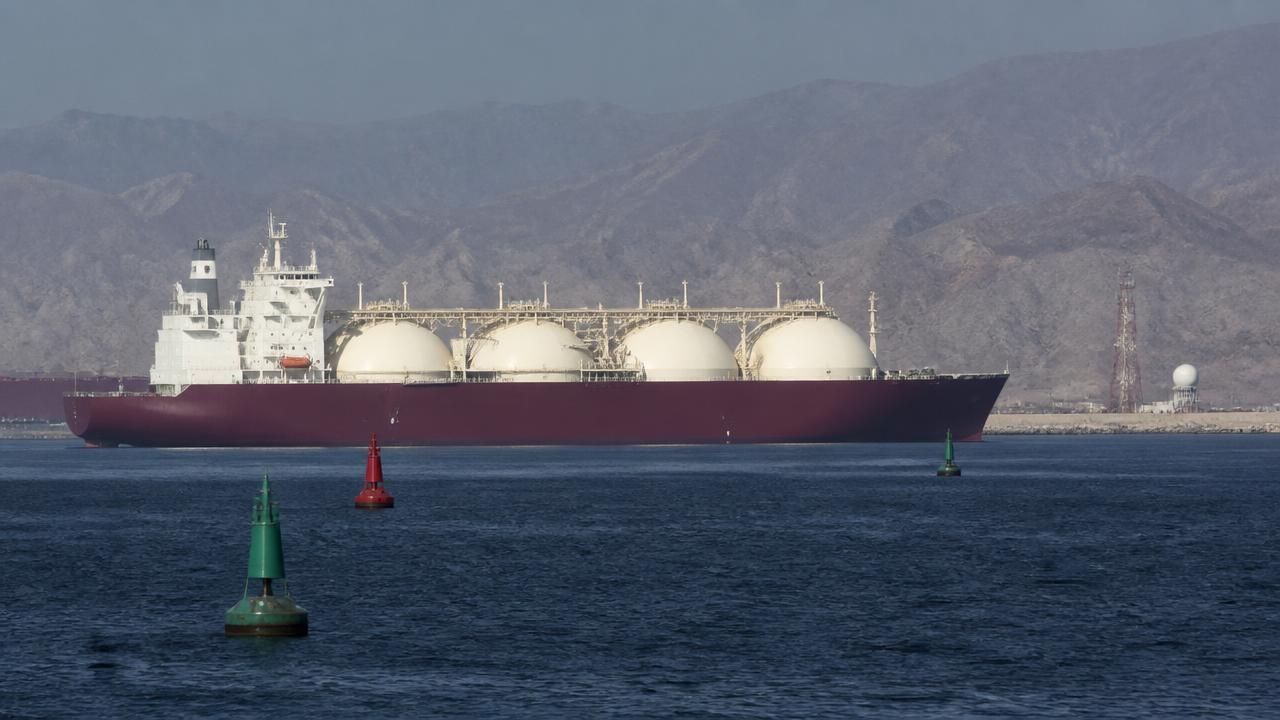
The Strait of Hormuz, the narrow waterway through which roughly a fifth of the world's liquefied natural gas normally passes, has become the epicenter of a global energy crisis that is reshaping the LNG market in ways traders say may prove permanent. As the US-Israel war with Iran drags on, Qatar — the world's largest LNG exporter — has seen its exports collapse by as much as 96%, a contraction that has wiped an estimated $24 billion from the Gulf state's revenues and triggered force majeure declarations across its supply chain.
A chokepoint under siege
Shipping data shows overall Hormuz traffic down roughly 95% from normal levels, according to Al Jazeera, a figure that captures how completely the crisis has severed the Gulf's energy lifeline. For LNG, the disruption is uniquely severe: unlike crude oil, which can be rerouted through pipelines to the Red Sea or the Mediterranean, gas molecules have no alternative exit from the Gulf.
QatarEnergy has extended force majeure on its LNG deliveries, according to OilPrice.com, citing the continued blockage of traffic through the strait. The declaration — a legal mechanism that excuses the company from contractual obligations — signals that Doha does not expect a near-term normalization of the waterway.
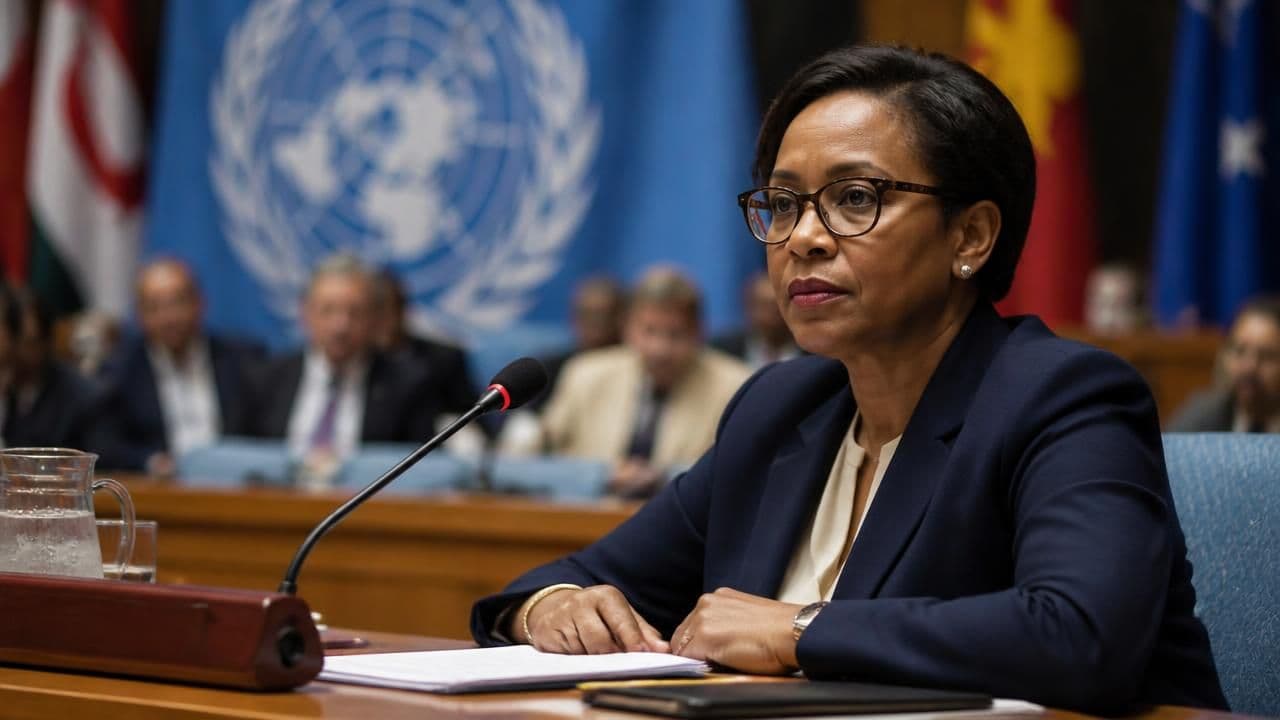
"There is no alternative to the Strait of Hormuz for LNG," QatarEnergy's chief executive warned, a blunt assessment reported by Upstream that underscores the strategic trap in which Gulf producers now find themselves.
The workaround: ship-to-ship at a fraction of prewar flow
With direct transit constrained, Gulf producers have turned to a costly and logistically complex workaround. Qatar and the United Arab Emirates are increasingly relying on rare ship-to-ship (STS) transfers, in which LNG cargoes are moved between vessels outside the immediate conflict zone before being dispatched to buyers, according to OilPrice.com.
The volumes, however, remain marginal. Reports indicate routes designed to skirt Hormuz are currently carrying only about 3% of prewar flow — a rounding error against the scale of the shortfall. The STS method also introduces delays, higher insurance costs and greater safety risk, making it a stopgap rather than a solution.
- Qatar: force majeure extended; exports down as much as 96%; estimated losses of $24 billion.
- UAE: joining Qatar in rare STS transfer operations to bypass the strait.
- Overall Hormuz shipping: down about 95% versus normal levels.
- Alternative routing: carrying roughly 3% of prewar LNG flow.
A fragile sign of life
Not every data point points downward. Bloomberg reported that Qatar has ramped up LNG tanker traffic through the Strait of Hormuz to the highest level in more than two months, a sign that Doha is growing more comfortable moving ships through the waterway despite the persistent risk. That modest uptick has been read by some traders as the first hint of a thaw.
The framing gap between outlets is instructive. Where Bloomberg emphasizes a two-month high in tanker movements and emerging confidence, OilPrice.com stresses that force majeure remains in force and traffic is still effectively blocked. The divergence reflects genuine uncertainty: incremental sailings may be enough to lift monthly comparisons without meaningfully easing a global shortage that has tightened markets from Europe to Asia.
A shortage that bites
With Qatari barrels offline, the global LNG market has swung sharply into deficit. Buyers in Europe, still rebuilding inventories after severing most Russian pipeline imports, and in North Asia, the world's largest LNG-consuming region, are competing for a shrinking pool of spot cargoes. The result has been upward pressure on benchmark prices and a scramble for long-term contracts that had, before the crisis, been tilting in buyers' favor.
Analysts quoted across sources argue the episode may prove a structural turning point. Importers that had grown comfortable relying on flexible, just-in-time spot purchases are now reconsidering the premium they are willing to pay for supply security — a shift with implications for everything from European industrial competitiveness to Asian power generation costs.
Expansion plans on hold
The crisis is also clouding QatarEnergy's long-planned expansion of its liquefaction capacity, a multi-billion-dollar program central to its ambition to lift output substantially by the end of the decade. Reuters reported that the company has acknowledged the Hormuz crisis may delay those projects, a warning that reverberates through a global supply chain already stretched thin.
Delayed expansion matters beyond Qatar's balance sheet. Much of the projected growth in world LNG supply through 2030 was expected to come from the Gulf. If those volumes slip, the market's ability to absorb rising demand — particularly from fast-growing Asian economies seeking to displace coal — will be constrained for years.
What comes next
The path forward hinges on the trajectory of a conflict that shows no sign of resolution. Every week of disruption deepens the financial wound in Doha and accelerates contingency planning elsewhere: new floating storage projects, revived pipeline proposals and a renewed push into renewable capacity as importers hedge against chokepoint risk.
For now, the Strait of Hormuz remains what it has always been — indispensable. And Qatar's warning that no alternative exists is being heard far beyond the Gulf: in Tokyo trading floors, in Brussels energy ministries, and in every market where the price of keeping the lights on now depends on a narrow stretch of water that few can afford to see closed.