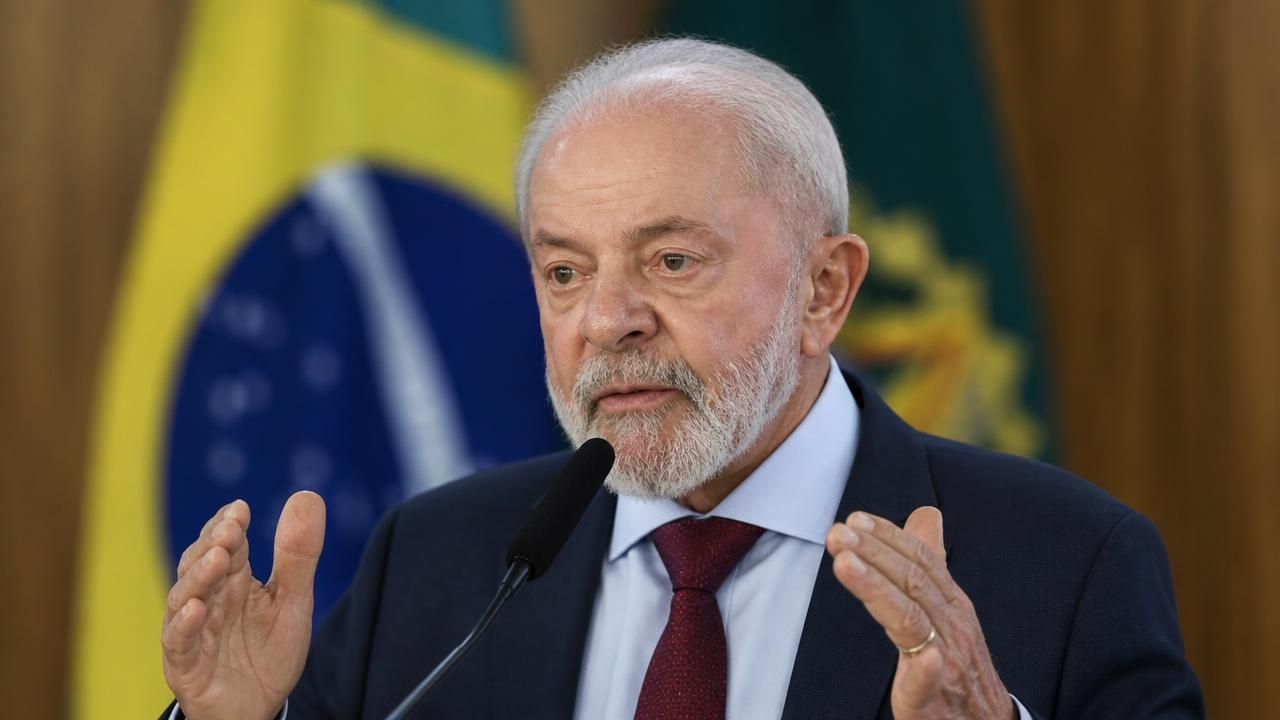
Brazilian President Luiz Inácio Lula da Silva is preparing to sign two provisional measures on Friday — one that would ban online betting and another designed to let heavily indebted households renegotiate what they owe — according to two people with knowledge of the matter, in a move that reshapes one of the world's fastest-growing gambling markets just months before voters head to the polls.
The twin decrees, which take effect immediately upon publication but require congressional ratification within 120 days to remain permanent, represent the most aggressive intervention yet by a government that only recently moved to regulate — rather than restrict — sports betting. They also signal that Lula intends to campaign on household finances and consumer protection, framing the gambling industry as a drain on the wages of working Brazilians.
A Policy U-Turn on Betting
The timing is striking. Brazil spent years assembling a legal framework for fixed-odds betting, culminating in Law 14,790/2023, which authorized licensed operators and began collecting licensing fees and taxes in January 2025. Regulators had billed the market as a source of revenue and a way to bring a sprawling grey economy into the light. The new measure would reverse much of that, at least for online casino-style products and betting platforms.
Trade publication Yogonet, which covers the global gaming industry, framed the story primarily as an existential threat to operators, noting that Lula has signaled openness to a ban on online casinos and betting advertising. The outlet's coverage — carried under headlines flagging a possible "ban on online casinos and betting ads" — reflects how the sector views the shift: not as a regulatory tweak but as a potential write-down of a market that analysts had valued in the tens of billions of reais annually.
"The president has made clear that protecting family budgets takes precedence over tax receipts from an activity that has been associated with addiction and over-indebtedness," a person familiar with the deliberations said, speaking on condition of anonymity because the measures had not yet been signed.
The Debt-Relief Half of the Equation
The second provisional measure is the carrot accompanying that stick. It would establish a framework for renegotiating individual debts, building on the Desenrola Brasil program launched in 2023, which allowed millions of Brazilians to restructure obligations with banks, retailers and utilities. MSN's coverage of the package emphasized the welfare dimension, reporting that the government is simultaneously boosting welfare payments — an approach that echoes the playbook Lula has used since his first term in the 2000s, when conditional cash transfers became a hallmark of his Workers' Party governments.
Household debt in Brazil has hovered near record levels, with a large share of families carrying credit-card and store-credit balances at interest rates that can exceed 100% annually. Consumer default rates climbed sharply during the post-pandemic tightening cycle, when the central bank's Selic rate stayed in double digits. For a president whose approval ratings have wobbled, easing that burden offers a tangible, pocketbook-level message.
Why Now
Bloomberg Markets framed the announcement squarely in electoral terms: the measures arrive ahead of an election in which Lula is expected to seek another term, and welfare spending plus debt relief are among the few fiscal levers a government can pull without waiting for Congress. Provisional measures — medidas provisórias — are constitutionally guaranteed tools that give the executive immediate effect, though lawmakers can dilute, amend or simply let them lapse.
That legislative risk is substantial. Brazil's Congress includes a well-organized rural and evangelical caucus with socially conservative views on gambling, but it also contains members whose districts benefit from betting-related employment and advertising revenue. Sports clubs across the country's top football divisions have signed lucrative shirt-sponsorship deals with betting firms, and any advertising ban would ripple through broadcast rights, stadium naming deals and club finances.
Competing Frames
The story has been told three different ways. Financial outlets such as Bloomberg treat it as a market-moving policy event, focused on what it means for operators, tax collections and the broader fiscal picture. General-interest coverage, like MSN's aggregation, foregrounds welfare payments and household relief — the voter-facing story. And industry trade press, led by Yogonet, reads it as a regulatory earthquake for a sector that had only just finished adapting to 2023's legalization.
- Regulatory question: Whether the ban covers all online betting or only casino-style games, and whether sports betting survives in licensed form.
- Fiscal question: How the government replaces the licensing and tax revenue it would forgo, estimated in the billions of reais.
- Political question: Whether Congress ratifies the measures or lets them expire, and how opposition candidates respond.
- Social question: Whether a ban pushes bettors back to unlicensed offshore operators, an outcome regulators have warned about.
What to Watch
Markets will parse the exact wording Friday for signs of carve-outs — for horse racing, lotteries or state-run operations — and for the scope of the advertising prohibition. Consumer advocates and public-health researchers have argued for months that Brazil's betting boom contributed to defaults among low-income families, citing central bank data showing money flowing from Bolsa Família recipients to betting platforms.
Operators, meanwhile, will weigh whether to litigate, lobby or retrench. With an election calendar accelerating and a Congress that returns from recess into a crowded agenda, the next 120 days will determine whether Friday's decrees become durable law or merely a campaign-season gesture.