A new poll from NPR/PBS News/Marist finds that registered voters are significantly less confident that the U.S. Postal Service will deliver election mail on time compared with 2024, a decline driven in part by former President Donald Trump's sustained efforts to cast doubt on mail voting and to reshape the agency. The survey, released this week, underscores a growing partisan divide over a method of voting that became a lifeline during the pandemic but has since been engulfed in political controversy.
A Crisis of Confidence
According to the poll, only about half of registered voters say they are very or somewhat confident that the Postal Service will deliver their mail-in ballots on time, down sharply from four years ago. The drop is most pronounced among Democrats and independents, who have been alarmed by operational changes at USPS and by Trump's repeated claims—without evidence—that mail voting is rife with fraud. In 2020, Trump explicitly said he would withhold funding from the Postal Service to make it harder to process mail-in ballots, and he installed a major donor, Louis DeJoy, as postmaster general. DeJoy's tenure has been marked by cost-cutting measures, including the removal of high-speed sorting machines and reductions in overtime, which critics say have slowed mail delivery.
"Voters are paying attention to what happened in 2020 and what could happen again," said a spokesperson for the poll. "They remember the warnings about ballots not arriving in time."
The poll also reveals a stark partisan gap: while a majority of Republicans express confidence in USPS, only a minority of Democrats do. That split mirrors the broader polarization over voting access that has intensified since the 2020 election.
Local Officials Retain Trust
Yet the same survey shows that voters still overwhelmingly trust their local election officials to run a fair and accurate election. This confidence in local administration stands in contrast to the skepticism about the mail system. PBS News reported that many voters say they believe their town or county clerk will ensure their vote is counted, even if they worry about the post office. That distinction is crucial, as local officials are often the ones who must scramble to accommodate voters who fear their ballots will be lost.
"We're seeing a shift in how people plan to vote," said a local election administrator in Michigan. "They trust us, but they don't trust the mail. So they're coming in person or using drop boxes."
Texas Special Election: A Test Case
In Texas' 6th congressional district, where a special election is underway, the issue is front and center. Daryl Eddings, Sr., a Democratic candidate, has made protecting mail voting a central theme of his campaign. His campaign manager, in an interview with Wikinews, described the obstacles voters face. "We're telling people to request their ballots early and to hand-deliver them to the county clerk if they can," the manager said. "Too many are worried that if they drop it in the mailbox, it won't get there in time. That's a sad state of affairs."
The campaign manager added that the campaign has been training volunteers to help voters navigate the absentee ballot process, and that they have heard from numerous elderly and disabled voters who depend on mail voting but are now anxious. The Texas race, set in a suburban district that leans Republican, could be an early indicator of how mail voting concerns affect turnout in 2024.
How USPS Could Refuse to Deliver Ballots
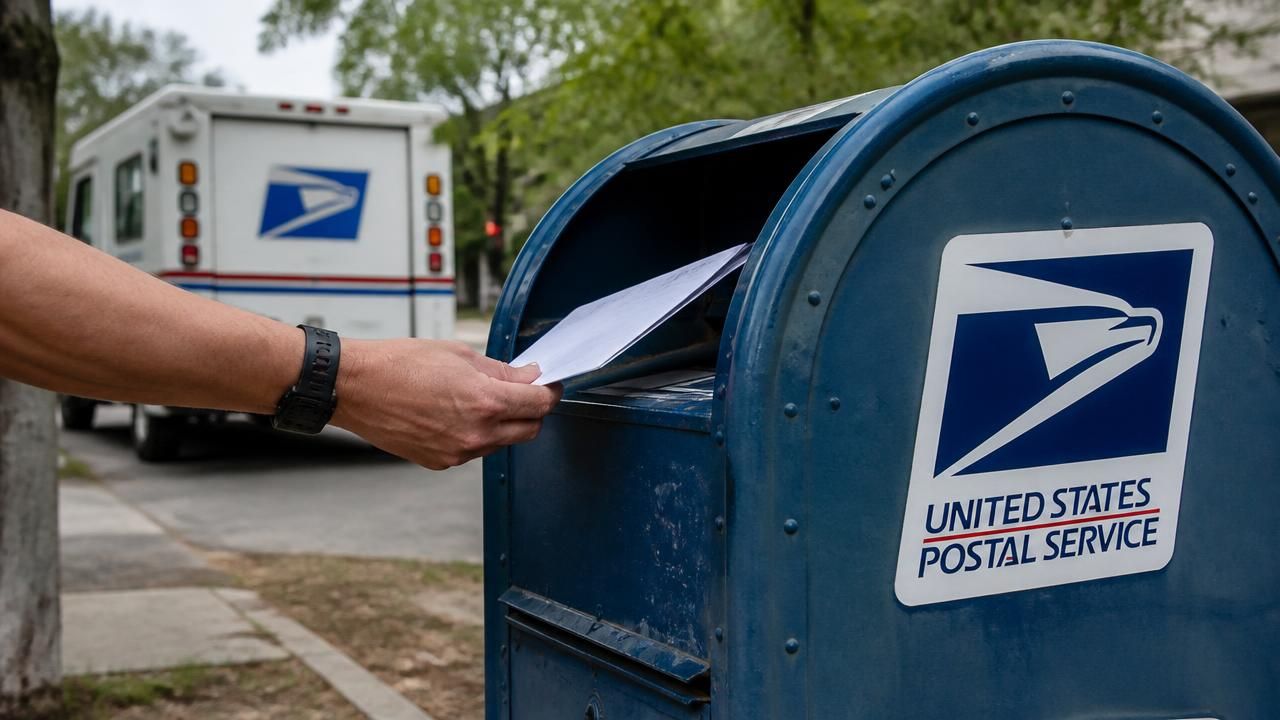
The New York Times detailed several ways the Postal Service could fail to deliver mail ballots, ranging from operational lapses to policy decisions. For instance, ballots that lack sufficient postage or are improperly addressed can be returned to sender. But more concerning, the agency could deprioritize election mail if it decides to treat it as standard mail rather than as a special category. In 2020, a federal judge found that USPS had failed to prioritize election mail, leading to delays. The Times also noted that the agency's practice of not forwarding mail could result in ballots being discarded if a voter has moved. Additionally, changes to processing facilities and the removal of sorting machines could create bottlenecks in key swing states.
USPS has said it is committed to delivering election mail on time, but critics point to DeJoy's continued role and the lack of transparency around operational changes. The agency did not respond to requests for comment for this article.
What It Means for November
The declining trust in USPS could have significant implications for the 2024 election. With more voters likely to use mail-in ballots due to convenience or health concerns, any perception that the mail is unreliable may depress turnout or lead to more provisional ballots. It also fuels a cycle of distrust: if voters believe their mail ballot won't count, they may stay home or vote in person, which could create long lines and other barriers.
Election officials across the country are urging voters to request ballots early and to use drop boxes if available. They also stress that voters can track their ballots online. But ultimately, the poll suggests that restoring confidence in the mail system will require more than just operational fixes—it will require rebuilding faith in the institutions that run elections.
As one voter in Pennsylvania put it: "I trust my neighbor who works at the polls. I don't trust a mailbox." That sentiment, echoed by many, captures the challenge ahead.