Oil prices fell again on Tuesday, with Brent crude sliding toward $99 a barrel after tumbling across the previous four sessions, as traders latched onto signs of a diplomatic off-ramp in the standoff between Washington and Tehran over the Strait of Hormuz. The move erased earlier gains and marked one of the sharpest two-session declines of the year, with crude down roughly 6% in that span as the geopolitical risk premium that had inflated prices began to bleed out of the market.
The trigger was a report suggesting Iran could reopen the Strait of Hormuz — the world's most consequential oil chokepoint — if the United States lifted a blockade of its ports. The headline landed squarely in a market already primed for de-escalation, and traders responded by unwinding the long positions they had built up during weeks of escalation.
What Actually Moved the Market
The price action was a textbook case of a headline-driven reversal. Crude had opened higher, extending a modest bounce off multi-week lows, before giving back those gains within hours of the Hormuz report crossing terminals. According to Bloomberg Markets, the reversal was near-instantaneous: oil erased earlier gains once the reopening scenario hit the wires.
"Oil erased earlier gains on a report that Iran could reopen the Strait of Hormuz if the US lifted a blockade of its ports." — Bloomberg Markets
The scale of the move — roughly 6% across two sessions — reflects how much political risk had been priced in. Options markets had been charging a significant premium for upside protection, and as that premium collapsed, mechanical selling amplified the decline.
Diplomacy Takes Center Stage in New York
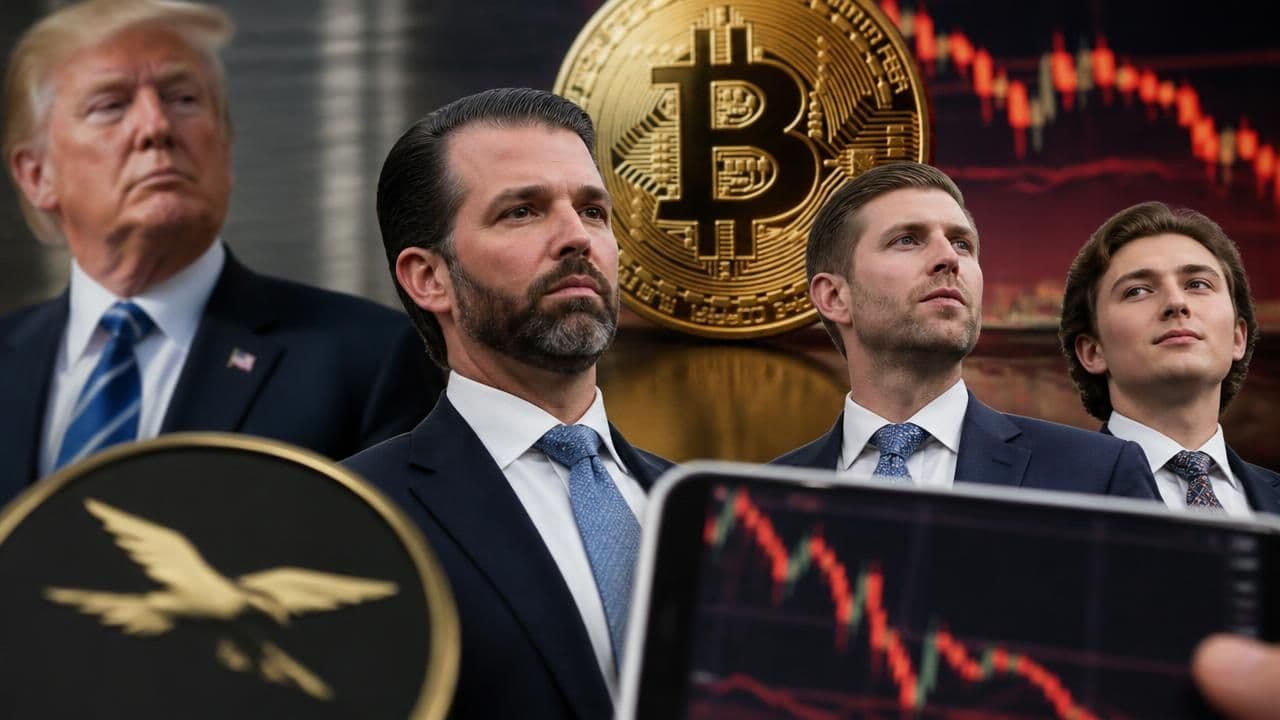
The timing is not coincidental. US President Donald Trump is set to address the United Nations General Assembly in New York later in the day, and markets are watching for a possible meeting with his Iranian counterpart, Masoud Pezeshkian. A face-to-face encounter between the two leaders, however brief or informal, would be the clearest signal yet that both sides are looking for a negotiated exit from the current confrontation.
Bloomberg's Will Kennedy broke down the situation for viewers, framing the session as a waiting game in which every diplomatic signal — a handshake, a pull-aside, a readout from a bilateral — carries a price tag measured in dollars per barrel. Traders are effectively trading the probability of a meeting, not the underlying supply-and-demand balance.
The Grains Spillover
The ripple effects were not confined to energy. CBOT grains and soybeans fell in tandem with crude, a reminder that agricultural commodities have become sensitive to the same macro-political drivers. The Livemint report on the session noted grain and soybean futures sliding "as oil drops on Iran hopes," underscoring how much the farm complex now trades on the cost of diesel, freight and fertilizer — all of which are levered to the crude price.
When oil falls on de-escalation hopes, the immediate effect on grains is a softer input-cost picture: cheaper fuel for tractors, lower freight rates for moving harvests, and a reduced inflation risk in the fertilizer complex. That is a modestly bearish story for prices, even if it is a welcome one for farmers' margins.
Why the Risk Premium Was So Fat
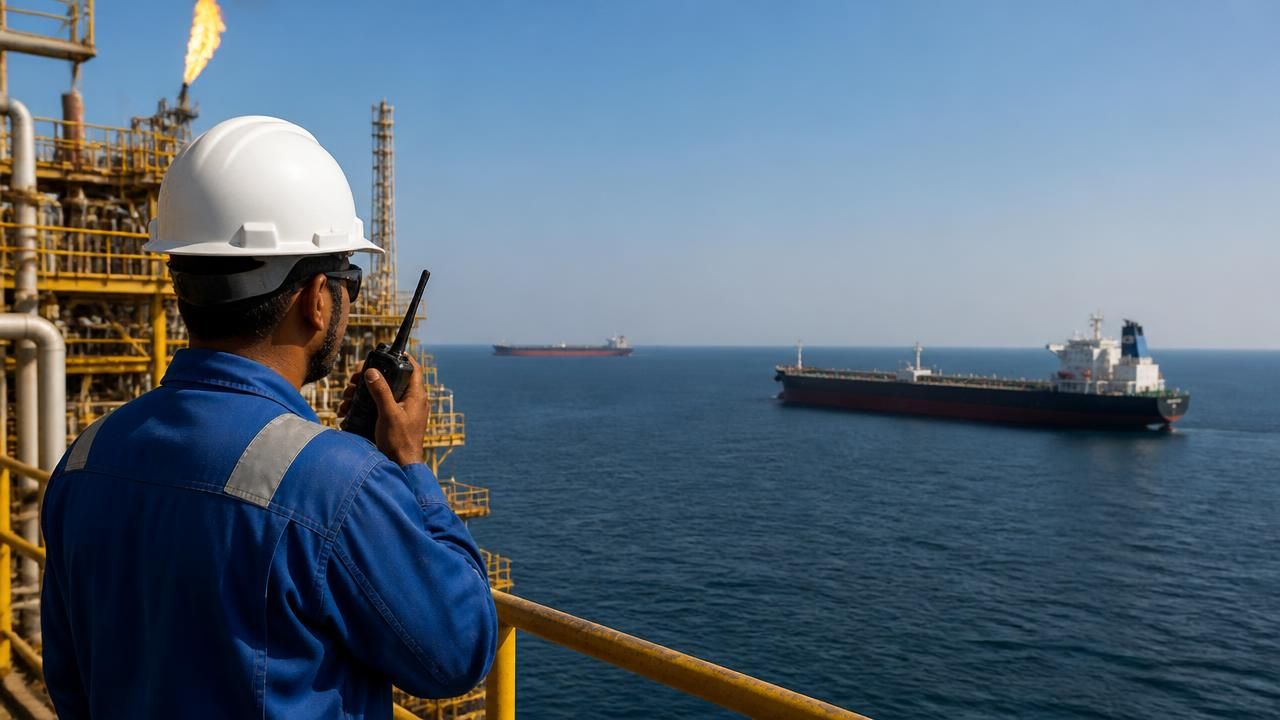
The Strait of Hormuz is not an ordinary chokepoint. Roughly one-fifth of global oil consumption and about a quarter of seaborne crude passes through the narrow waterway between Iran and Oman each day. Analysts have long warned that any credible closure — even a partial one — would send prices into triple digits within days, with the tightest impact felt in Asian refining hubs that depend on Gulf crude.
That structural vulnerability is why markets consistently overpay for Hormuz risk. This year's run-up embedded a substantial war premium into both Brent and West Texas Intermediate, and the current unwind is essentially traders removing that insurance premium rather than repricing actual supply and demand. Inventory data, OPEC+ policy and refinery margins have barely featured in the recent narrative.
How Different Outlets Framed It
Coverage of the move split along familiar lines. Bloomberg led with the diplomacy angle, emphasizing the potential Trump-Pezeshkian meeting and the port-blockade condition attached to any reopening. Aggregators such as MSN framed the session through the lens of momentum, headlining the "6% in two sessions" statistic as evidence that "Hormuz diplomacy rewrites the risk premium." Commodity desks at MarketScreener and Rigzone ran near-identical wire copy under the headline "Oil Drops as Traders Track Hormuz Diplomacy Prospects," while agricultural outlets such as Livemint focused on the cross-asset read-through into grains and soybeans.
That divergence itself is informative: the energy press is trading the headline, the farm press is trading the consequence.
What Traders Watch Next
- The UN address. Any language from Trump that softens the blockade posture would likely extend the selloff; escalation rhetoric would reverse it.
- A Trump-Pezeshkian meeting. Confirmation of a sit-down would be the single most bullish signal for de-escalation — and the most bearish for crude.
- Physical flows. Traders will look past rhetoric for evidence in tanker tracking and insurance rates that transits are actually normalizing.
- The grains complex. Continued weakness in CBOT soybeans and corn would confirm that the macro read-through is real rather than a one-day flinch.
For now, the market is behaving as if diplomacy has a better-than-even chance of holding. Whether that optimism survives the week depends less on barrels and more on what is said in New York.