Across the United States, a quiet but profound shift is taking place in how cities answer their most urgent calls for help. Since George Floyd's murder in 2020, alternative response programs—where mental health clinicians, paramedics, and trained peers handle nonviolent 911 calls instead of police—have proliferated. This week, that movement gained fresh momentum as Memphis opened an emergency mental health line for 911 callers, Columbus Fire and EMS reported success with its Care Two mental health response unit, and NPR, in a story syndicated by WUKY, examined how one city is leading the charge to reshape 911 from the ground up.
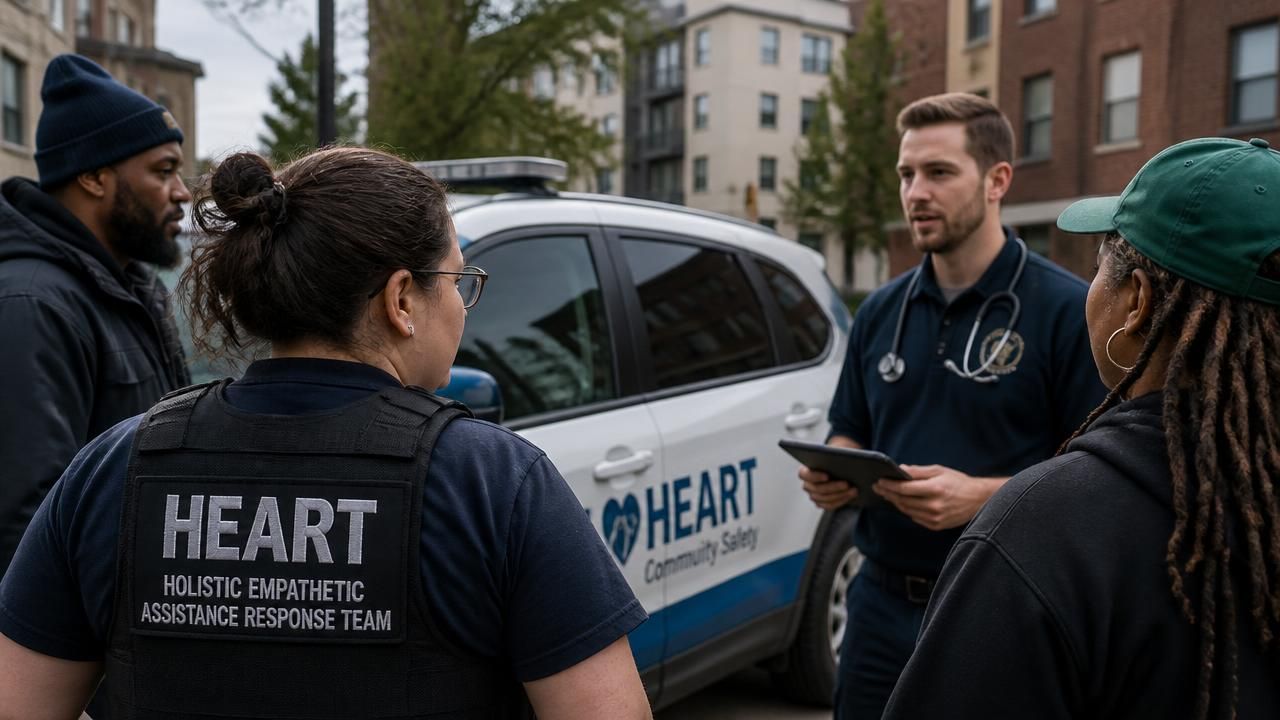
The NPR and WUKY report focuses on Durham, North Carolina, where the Community Safety Department operates the Holistic Empathetic Assistance Response Teams, known as HEART. Durham's program is among the most ambitious experiments in the country: it combines unarmed crisis responders, mental health clinicians, emergency medical technicians, and peer support specialists. When someone calls 911 about a neighbor in psychiatric distress, a person using drugs, or someone experiencing homelessness, dispatchers can route the call to HEART rather than sending armed officers.
What does it take to do this work well? — NPR
That question animates the national debate. Durham officials say the answer involves careful triage, extensive training, strong community trust, and follow-up care that continues long after the immediate crisis. The program does not handle violent calls or situations involving weapons. Instead, it targets the vast middle ground of 911 calls that have historically fallen to police simply because no other system existed. By diverting those calls, Durham hopes to reduce unnecessary arrests, ease pressure on officers, and connect residents with health and social services.
Memphis is taking a different but complementary approach. The city has opened a dedicated emergency mental health line for 911 callers, allowing dispatchers to transfer callers directly to mental health professionals. The move comes as Memphis continues to grapple with high-profile incidents involving police and people in crisis. Local officials frame the line as a way to ensure that callers receive the right response the first time, rather than defaulting to law enforcement. The Yahoo News report highlights the city's push to make crisis care more accessible and to prevent mental health emergencies from escalating into tragic encounters.
In Columbus, Georgia, the Fire and EMS department's Care Two unit has already demonstrated measurable success, according to WRBL. Care Two pairs paramedics with mental health clinicians to respond to behavioral health calls. The unit can assess patients on scene, de-escalate crises, and connect people to treatment without an emergency room visit or a police escort. Columbus officials say the program has reduced strain on hospitals and jails while improving outcomes for residents. It is a model that other mid-sized cities are watching closely.
A Movement Born from Crisis
The modern alternative response movement did not begin with Floyd's murder. Eugene, Oregon's CAHOOTS program has dispatched unarmed crisis workers since 1989. But Floyd's killing in Minneapolis triggered a national reckoning over policing, and cities from Denver to Olympia to New York began piloting their own versions. The Biden administration and Congress have pumped federal dollars into crisis response through the American Rescue Plan and other grants. The 988 Suicide and Crisis Lifeline, launched in 2022, created a national phone number for mental health crises, but it does not dispatch mobile teams. Cities are now building the local infrastructure that 988 alone cannot provide.
Yet the landscape remains uneven. Some programs operate 24/7; others run only during business hours. Some are housed in police departments; others, like Durham's, sit in separate community safety agencies. Funding is often temporary, dependent on grants or pandemic relief. Staffing is a constant challenge, as demand for mental health clinicians far outstrips supply. And dispatchers must make split-second decisions about which calls are safe for unarmed responders—decisions that carry real risk.
Different Frames, Same Direction
The sources covering this story reflect different angles on the same trend. NPR and WUKY take a national, systemic view, asking what it takes to redesign 911 responsibly and at scale. Yahoo's report on Memphis is local and immediate, focused on a new line that residents can use today. WRBL's coverage of Columbus is practical and outcome-oriented, emphasizing the success of a specific unit. Together, they show a movement that is both top-down and bottom-up: federal funding and national advocacy on one side, city-level innovation and data on the other.
Experts caution that alternative response is not a cure-all. Programs work best when they are integrated with emergency medical services, behavioral health providers, and hospitals. They need clear protocols for when to call police, robust data collection, and community oversight. They also need political staying power. Some police unions have resisted the idea of civilian responders, arguing it could compromise safety. Some activists, meanwhile, worry that alternative programs can become a way to avoid deeper police reform. The most successful cities, researchers say, treat these programs not as a substitute for police but as a specialized layer of public safety.
For Durham, Memphis, and Columbus, the early results are promising but incomplete. Durham's HEART teams have handled thousands of calls since launching, with the vast majority resolved without arrest or hospitalization. Memphis's new line is still in its infancy. Columbus's Care Two has become a case study in how fire departments can expand their mission beyond fires and car crashes. Each city is writing its own playbook, but they share a common premise: that a mental health crisis is not a crime, and that the right responder can make all the difference.
As more cities look to reshape 911, the question is no longer whether to try alternative response, but how to do it well—and how to pay for it, staff it, and sustain it beyond the next budget cycle. The answer will determine not just how quickly help arrives, but what kind of help it is.