Pakistan intensified its diplomatic campaign to restart negotiations between Iran and the United States this week, sending its interior minister to Tehran for talks on regional stability while preparing to dispatch its army chief for a second round of mediation efforts — even as Iranian officials publicly denied that any direct talks with Washington are underway.
The competing narratives, emerging from more than a dozen reports across regional and international outlets, underscore how fragile the diplomatic track has become. Islamabad describes steady progress; Tehran describes preconditions that remain unmet; Washington, according to multiple accounts, is simultaneously tightening the economic screws.
A Flurry of Diplomatic Traffic
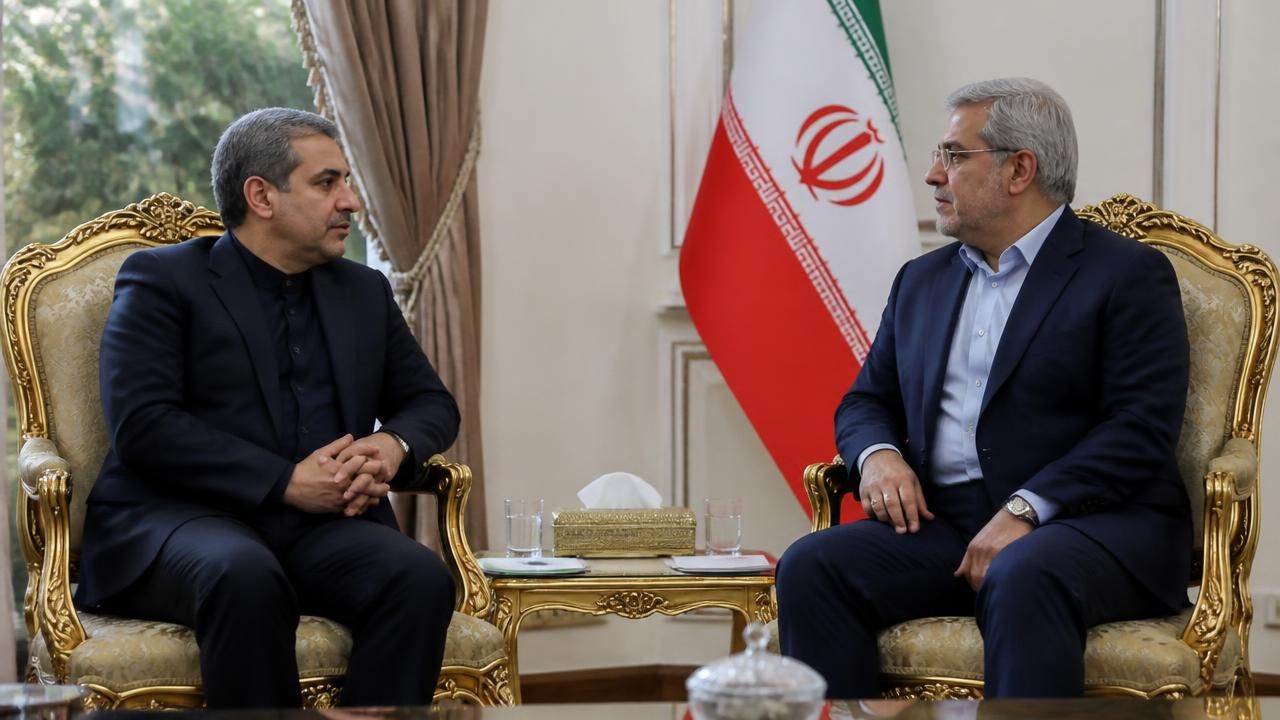
Pakistan's Interior Minister Mohsin Naqvi met his Iranian counterpart, Eskandar Momeni, in Tehran to discuss "regional peace and stability," Pakistan's Interior Ministry said. The meeting came as Islamabad presses to revive talks that have been frozen for weeks.
According to Reuters, the two countries are exploring a path toward new talks with the US as part of a China-initiated push — a detail that reframes the mediation as a three-capital effort rather than a purely bilateral one. Gulf News reported that an Iranian delegation had arrived in Pakistan for what it described as three-way ceasefire discussions, while Al Jazeera framed the moment around a single question: can Pakistan's army chief break the deadlock?
That question now has a name attached. General Asim Munir, Pakistan's army chief, is due in Tehran — his second such trip, according to Al Jazeera — a signal of how much weight Islamabad is placing on military-to-military channels when foreign-ministry tracks have faltered.
Conflicting Accounts From Islamabad and Tehran
Pakistan's government has been notably upbeat. A minister said Pakistan and Iran made "significant progress" in talks on the conflict, a claim carried by Reuters and echoed by Al Jazeera.
Pakistan's interior minister said the two sides had made "significant progress" in talks on the conflict — a characterization Tehran has not endorsed.
The Times of Israel struck a sharply different tone, reporting that Iran says there are no current talks with the US, even as a regional official hailed mediation progress. The gap between those two statements is the central tension of the story: Pakistan is selling momentum, while Iran is keeping its distance and its leverage.
Iran's Seven Conditions
According to live coverage compiled by Livemint and MSN, Iran has set conditions for any renewed engagement with Washington: end the war, unfreeze frozen assets, and lift the naval blockade. MSN's live blog put the number of terms at seven, a list that effectively asks the US to reverse the core elements of its pressure campaign before talks begin.
That sequencing problem — Iran wants relief first, Washington wants concessions first — is the same structural impasse that has sunk previous rounds. It is also why Pakistan's mediation is being watched so closely: a third party can sometimes bridge a gap that neither principal will cross unilaterally.
Sanctions, Houthis and the Risk of Escalation
Working against the diplomats is a hardening US posture. MSN reported that Pakistan's army chief was heading to Iran as President Trump's tougher sanctions threatened to derail peace efforts — a reminder that economic pressure and ceasefire diplomacy are running on separate, and often contradictory, tracks.
Pakistan is also pressing Tehran on a second front. One report said Islamabad urged Iran to help end Houthi attacks on Saudi oil sites, linking Yemen's campaign to the broader regional de-escalation agenda. Separately, live coverage reported that Saudi forces foiled an attack on Riyadh.
Meanwhile, Gulf News noted that Israel–Hezbollah tensions were escalating alongside the ceasefire diplomacy — a reminder that any Iran–US understanding would sit inside a wider web of conflicts rather than replacing them.
Why Hormuz Matters
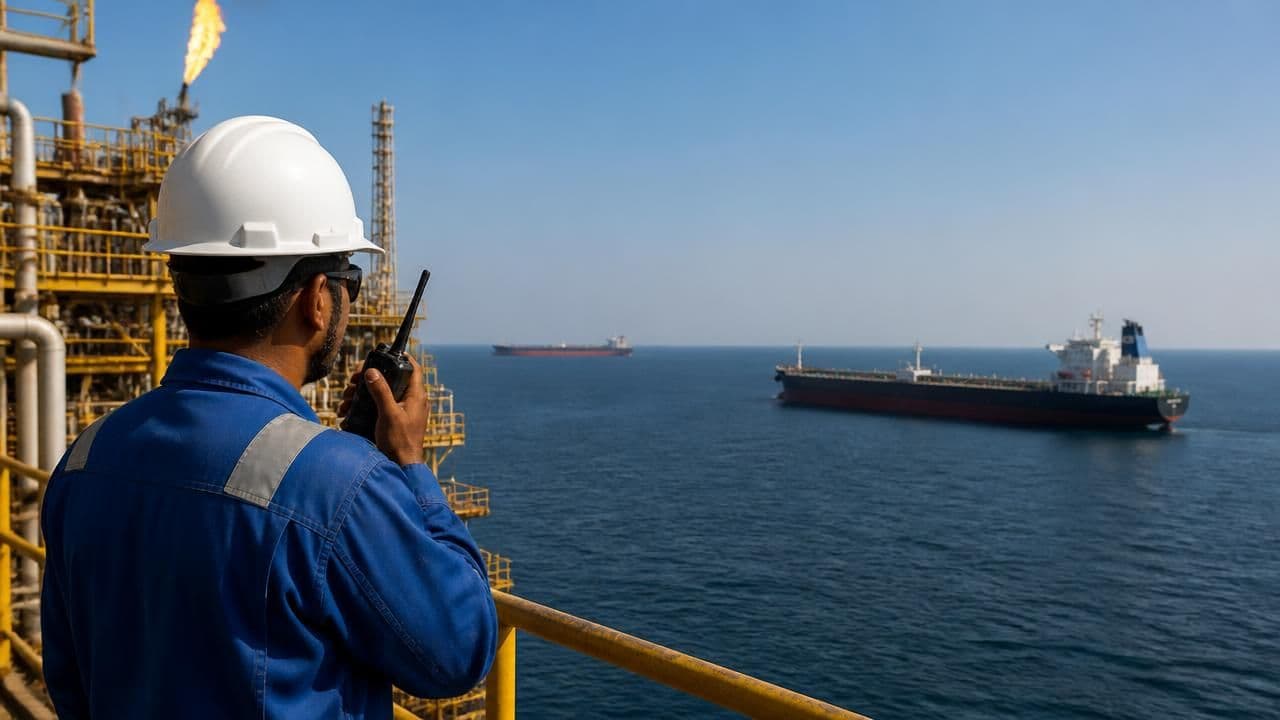
The most economically consequential thread may be the Strait of Hormuz. Millennium Post reported that Pakistan and Iran discussed ways to reopen the strait and prevent further escalation of the West Asia conflict. Roughly a fifth of global oil consumption moves through the chokepoint in normal times, and any sustained closure would ripple through energy markets, shipping insurance, and inflation expectations far beyond the region.
For Pakistan, the stakes are compounded. It borders Iran, depends on Gulf energy flows, and maintains close security ties with Saudi Arabia — a set of relationships that make it one of the few capitals with plausible channels to all the relevant parties. That positioning, analysts note, is both Islamabad's diplomatic asset and its vulnerability: failure would expose it to blame from every side.
What to Watch
- Munir's visit: Whether the army chief returns with anything more concrete than the "significant progress" already claimed.
- Iran's public line: Any shift from "no current talks" would be the clearest signal that mediation is working.
- US sanctions: Further designations would undercut Islamabad's narrative of momentum.
- Hormuz: Any reopening arrangement would be the first tangible economic dividend of the process.
- China's role: Reuters' reporting on a China-initiated push suggests Beijing is quietly invested in a deal.
For now, the story remains one of motion without a breakthrough. Pakistan is shuttling between capitals and claiming progress; Iran is setting terms and denying talks; the US is applying pressure and warning against escalation. Whether that combination produces a ceasefire or simply another round of failed mediation may depend on whether Tehran's seven conditions and Washington's sanctions calendar can be reconciled — a question no mediator, including Islamabad, has yet answered.