Apple has flipped the switch on the claims website for its $250 million class action settlement over the delayed, artificially intelligent Siri it promised but never delivered — and millions of US iPhone owners may now be entitled to a slice of the payout. The settlement received court approval, and the portal where eligible device owners can file claims went live this week, confirming details first reported by MacRumors and picked up across the tech press.
The case centers on Apple Intelligence, the generative AI suite the company unveiled at its 2024 Worldwide Developers Conference as the headline feature of the iPhone 16 generation. Buyers were told a dramatically more capable Siri — one that could understand personal context, chain together multi-step tasks across apps, and respond to on-screen awareness — was coming. It didn't arrive on schedule, and plaintiffs argued Apple's marketing promised capabilities the product could not deliver.
Who qualifies for a payout
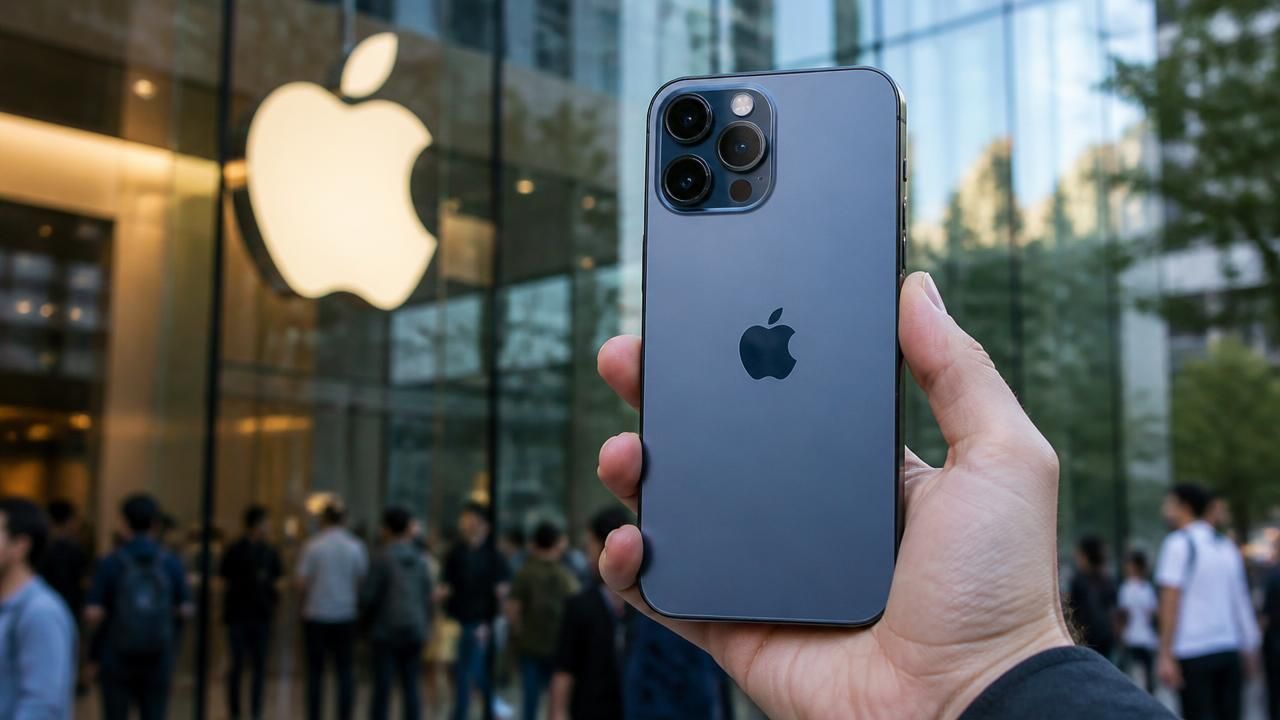
The class is narrowly drawn, which limits the pool but also concentrates the money. According to the settlement's terms, you are eligible if you are a US resident who purchased one of the following between June 10, 2024, and March 29, 2025:
- iPhone 15 Pro
- iPhone 15 Pro Max
- Any iPhone 16 model, including the 16, 16 Plus, 16 Pro, and 16 Pro Max
The window is meaningful: it captures the launch period of the iPhone 16 line, when Apple's AI messaging was at its most aggressive, and it ends roughly around the date Apple formally delayed the personalized Siri features it had previously advertised.
How to file a claim
Filing is handled entirely through the settlement's dedicated website. Claimants must provide their name, current contact information, and — critically — the serial number of the qualifying iPhone. That last requirement is the biggest friction point for would-be claimants: the serial number lives in the device's Settings menu, on the original packaging, or in an old receipt or Apple account record. Owners who have traded in or sold their phones will need to dig through backups, carrier records, or Apple's own device history to find it.
The settlement site also requires anyone filing to attest under penalty of perjury that the purchase information is accurate. Claims are per eligible device, meaning a household that bought two qualifying phones can file for both.
How much money are we talking about?
The Verge reported that claimants can expect an estimated $25 per eligible device, with that figure potentially rising to as much as $95 depending on how many people actually submit valid claims. The settlement website itself spells out the mechanics:
Payments may increase depending on the number of claims filed — the less dilution of the fund, the larger the individual payout.
That structure explains the split in coverage. Some outlets, including NewsBytes and AndroidHeadlines, led with the eye-catching "up to $95" figure. Others, notably MSN and PCMag, framed the news more soberly: the headline $250 million number is the maximum size of the settlement fund, not a guaranteed per-person payout. Administrative costs, notice expenses, and plaintiffs' attorney fees come out of that pool before any money reaches class members, and the per-device amount floats inversely with participation. A huge response rate — plausible given how easy Apple's iPhone user base is to reach — would push individual checks toward the low end.
Background: how a Siri ad became a lawsuit
The dispute dates to a March 2025 television commercial featuring actress Bella Ramsey that showcased a Siri capable of remembering personal details and acting across apps. Apple pulled the ad after the features slipped, and the company acknowledged publicly that the more personalized version of Siri would take longer than anticipated. The delay became a rare reputational black eye for a company that markets itself on shipping polished software on its own schedule.
Apple has since reorganized parts of its AI leadership and continued to roll out Apple Intelligence features incrementally, including ChatGPT integration and other assistant upgrades, though the fully contextual Siri remains a work in progress. The company has not admitted wrongdoing as part of the settlement.
Why it matters
The case lands at a moment when regulators and consumers are scrutinizing how AI capabilities are marketed versus what actually ships. Apple is far from alone in advertising AI features ahead of their readiness, but as the most valuable company in tech, its settlement sets a marker. A nine-figure payout tied specifically to AI marketing claims gives plaintiffs' firms a template — and gives product marketers a reason to soften the language on next-generation feature promises.
For consumers, the practical takeaway is simple: if you bought a qualifying iPhone in the window, filing takes minutes and costs nothing. The deadline to submit is set by the court-approved settlement schedule, so eligible owners are advised not to wait. Whether the check is $25 or $95, it's the first direct dividend from a year in which the industry promised more AI than it could deliver.