Miami Republican Breaks Ranks
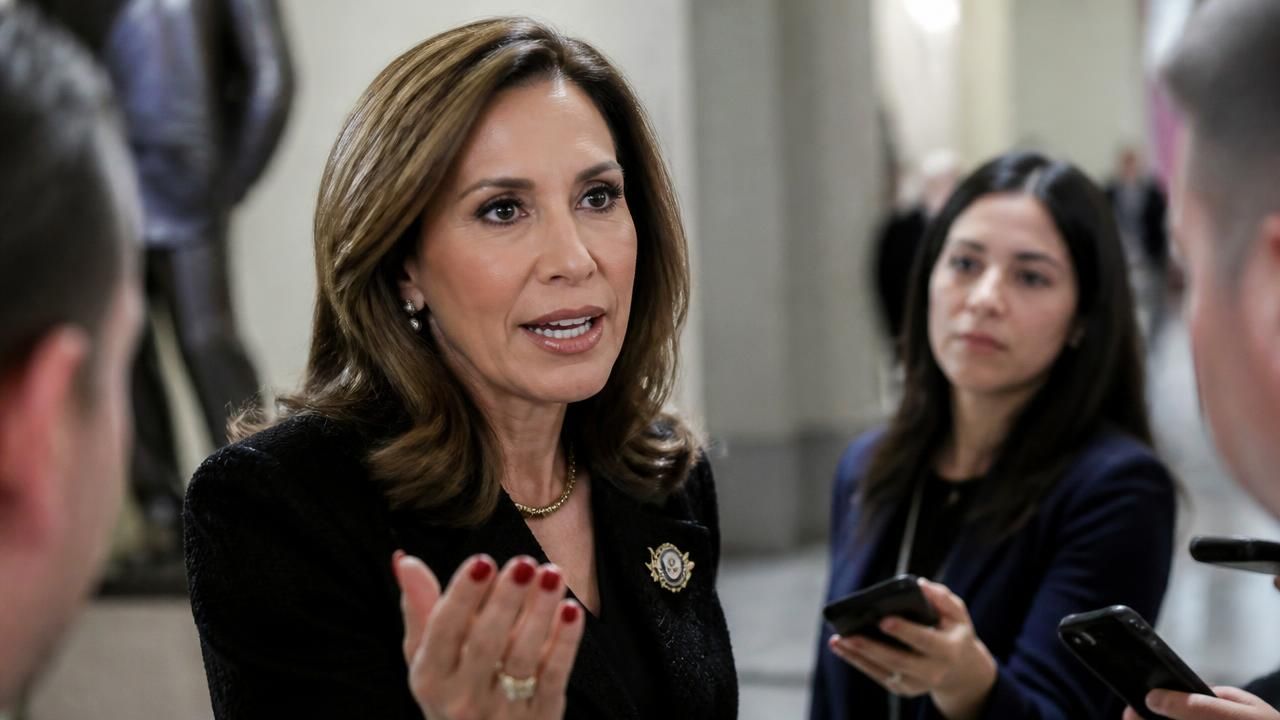
Representative María Elvira Salazar, a three-term Republican from Miami, is breaking with President Donald Trump over immigration in a new campaign ad aimed at Hispanic voters. The ad, released this week, criticizes the administration’s immigration crackdown as having ‘gone too far’ and says that Hispanics ‘feel betrayed.’ The move by Salazar, who won re-election by 20 percentage points in 2024, signals growing anxiety among some Republicans about their standing with Hispanic voters ahead of the 2026 midterms.
Salazar represents Florida’s 27th Congressional District, a heavily Hispanic seat covering parts of Miami-Dade County. Her ad marks a rare public rupture with Trump, who remains overwhelmingly popular among Republican primary voters. But Salazar’s decision to go directly to Hispanic voters with a message of restraint on immigration underscores the political tightrope many Republicans face as the administration escalates deportation operations and rhetoric.
“The immigration crackdown has gone too far. Hispanics feel betrayed.”
That message, according to sources familiar with the ad, is designed to resonate with Cuban, Venezuelan, Nicaraguan, and other Latino communities in South Florida that have historically leaned Republican but are increasingly uneasy with the tone and tactics of the crackdown.
Backlash From Fellow Republicans
The ad has not gone unanswered. Fox News reported that Salazar is ‘under fire by fellow Republicans’ after the ad bashing Trump on immigration. The House Freedom Caucus, a hardline conservative bloc, slammed Salazar over the spot, accusing her of undermining the president’s agenda. The intra-party criticism highlights the risk Salazar is taking: she is betting that her constituents will reward her for breaking with Trump on an issue that remains a top priority for the GOP base.
“House Freedom Caucus slams Rep. Salazar over Trump immigration ad.” — Fox News
The backlash also reveals a broader divide within the GOP. While Trump allies argue that tough immigration enforcement is a winning issue, some Republicans in swing and Hispanic-heavy districts worry that the crackdown’s harsh imagery and family separations could alienate the fastest-growing segment of the electorate.
Different Frames in the Media
News outlets have framed Salazar’s ad in sharply different ways. The New York Times described it as a ‘G.O.P. Representative Breaks With Trump in Ad Criticizing the Immigration Crackdown,’ emphasizing her three-term tenure and 20-point re-election margin as evidence that she is not politically vulnerable. MSN’s syndicated coverage was more blunt: ‘Maria Salazar tells Trump his immigration crackdown has gone too far,’ and ‘Florida Republican Lawmaker Torches Trump Over Immigration Crackdown.’ Another MSN headline said the ad is ‘fueling questions about key District 27 race.’
Florida Politics zeroed in on the ad’s target audience, calling it ‘aimed at Hispanic voters.’ And The Guardian, in its live coverage of the 2026 midterms, noted that Democratic candidates hold narrow leads in Texas and Michigan Senate races — a reminder that the national environment could shift further against Republicans if Latino voters defect. The Guardian’s poll data does not directly mention Salazar, but it provides context for why her ad matters beyond one district.
Historical Context and Implications
Salazar’s break with Trump is not unprecedented. In 2016 and 2020, some Republican candidates in Hispanic-heavy districts distanced themselves from Trump’s rhetoric on immigration while still supporting his policies. But the 2026 cycle is different: Trump is no longer a candidate but a sitting president, and his administration has already launched a sweeping crackdown that includes mass deportations, workplace raids, and efforts to end birthright citizenship. Those policies are popular with the GOP base but have rattled some Latino voters.
Hispanics are the second-largest voting bloc in the United States, and their share of the electorate is growing. In Florida, they make up nearly 20% of registered voters, and in Salazar’s district, they are the majority. A Republican strategist in Miami, speaking on condition of anonymity, said Salazar’s ad is ‘a warning shot’ — a signal that the party cannot take Latino voters for granted. ‘She’s not trying to become a Democrat,’ the strategist said. ‘She’s trying to survive a general election in a district where a hardline immigration message could backfire.’
The White House did not immediately respond to a request for comment. But Trump allies on Capitol Hill made their displeasure known. One House Republican, who declined to be named, said Salazar’s ad ‘doesn’t help the team.’ Another said it was ‘a mistake.’ The House Freedom Caucus’s official account posted a statement calling her ad ‘disappointing’ and ‘out of touch with the Republican base.’
For Democrats, the ad is a gift. They quickly circulated it as evidence that even Trump-backed Republicans are running away from the president’s immigration record. ‘María Elvira Salazar is finally admitting what we’ve known all along: the crackdown has gone too far,’ said a spokesperson for the Democratic Congressional Campaign Committee. ‘But one ad doesn’t erase her votes for Trump’s extreme agenda.’
Salazar’s campaign did not respond to a request for comment. But in the ad, she speaks directly to the camera, saying she is a Republican who supports the president but believes the crackdown must be ‘humane’ and ‘targeted.’ She does not call for an end to deportations, but she does call for a ‘pause’ on policies that separate families. That nuance may be enough to satisfy her constituents — or it may fuel a primary challenge. Already, at least one Republican in Florida has floated a primary bid against her.
The coming months will test whether Salazar’s bet pays off. If other Republicans in Hispanic-heavy districts follow her lead, it could force a broader reckoning within the GOP over immigration. If she is punished, it will send a signal that breaking with Trump — even on a policy that affects your own constituents — carries a steep cost. Either way, the ad has already become a national story, and the 2026 midterms are now a referendum on how far the immigration crackdown should go.