American consumers opened their wallets again in August, delivering a retail sales increase of 1.2% that comfortably beat Wall Street's consensus estimate of 0.8% and reversed a sharp pullback in July. The Commerce Department data, released Tuesday and reported across Bloomberg, MSN, Yahoo Finance, The Hindu BusinessLine and The Economic Times, marked the largest monthly advance in five months and offered one of the clearest signals yet that household demand remains resilient despite elevated gasoline prices and lingering inflation anxiety.
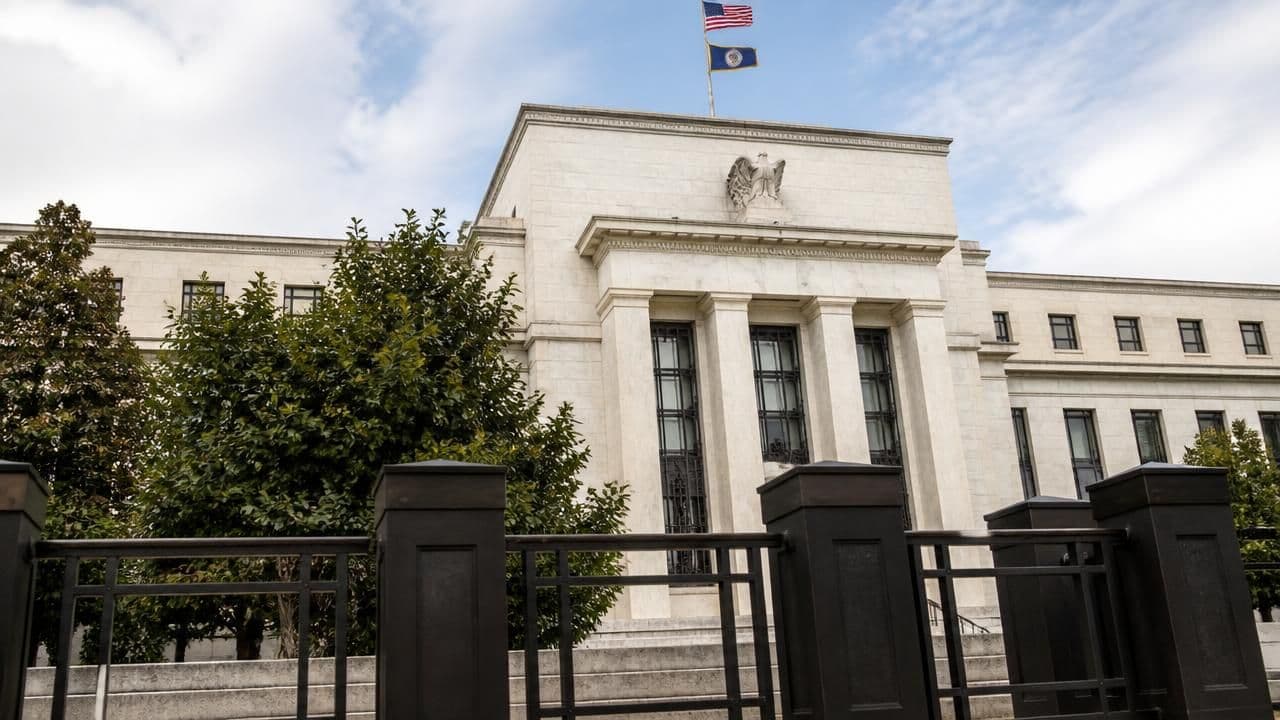
The report landed hours before the Federal Reserve was due to announce its latest interest-rate decision, giving investors a fresh read on the strength of the consumer economy at a moment of maximum policy uncertainty. US stock futures rose ahead of the Fed's announcement, with traders pointing to the retail data as evidence that the economy is neither stalling nor overheating.
A Broad-Based Rebound
The headline number only tells part of the story. The gains were unusually wide-ranging: twelve of the thirteen retail categories tracked by the government reported increases, a breadth that economists regard as a sign of genuine demand rather than a quirk of one or two volatile sectors. Back-to-school shopping provided a seasonal lift, while motor vehicle purchases added meaningful momentum, a detail emphasized by The Hindu BusinessLine in its coverage.
Twelve of 13 retail categories reported increases, boosted by back-to-school shopping.
Core sales, which strip out the volatile autos segment, were even stronger: up 1.4% on the month, according to figures highlighted by The Hindu BusinessLine. Yahoo Finance framed the same data with a two-part headline — noting that sales rose more than expected and that ex-auto sales accelerated — a distinction that matters because autos can distort the underlying trend.
From July Slump to August Surge
Context is essential. The August rebound follows a July decline that was itself larger than economists had anticipated — a drop that briefly fuelled speculation that the American consumer was finally capitulating after more than two years of elevated borrowing costs. Yahoo Finance's July coverage and MSN's framing of the August report as a recovery from a month in which "shoppers pulled back spending" together capture the whipsaw nature of the recent data.
Rather than signaling a lasting downturn, the July weakness now looks more like a pause — a pause that August emphatically reversed. MSN described the 1.2% gain as the biggest increase in five months, underscoring how abruptly the momentum shifted.
Consumers Versus the Pump
What makes the August strength notable is that it occurred against a headwind. Gasoline prices were higher over the summer, eating into discretionary budgets and weighing on sentiment surveys that have repeatedly shown consumers feeling worse than their actual spending behavior suggests. Bloomberg's Michael McKee, reporting from Washington, highlighted precisely this tension: consumers are still spending even as the cost of filling a tank rises.
That divergence — dour sentiment, durable spending — has become one of the defining puzzles of the post-pandemic economy. Households have been supported by a strong labor market, steady wage gains and, in many cases, savings accumulated during the pandemic era. Retailers, in turn, have leaned on promotions and back-to-school promotions to draw shoppers in.
Markets Turn to the Fed
The timing of the release amplified its market impact. The Economic Times covered the retail figures alongside live coverage of US stock futures and the Fed's much-anticipated rate decision, reflecting how closely the two narratives are now intertwined. A consumer who keeps spending complicates the case for aggressive rate cuts, but it also reduces the odds of a recession — a trade-off investors were weighing in real time as equities opened higher.
For policymakers, the report cuts both ways. Robust demand supports growth and employment, but it can also sustain price pressures in the services economy, where inflation has proved stickiest. A hot consumer therefore buys the Fed time to move cautiously, rather than justifying either rapid easing or a return to tightening.
How the Story Was Framed
- Bloomberg led with the breadth of the spending and the gasoline-price backdrop, anchoring the story in Washington and the macro picture.
- Yahoo Finance emphasized the beat against expectations and the acceleration in core, ex-auto sales.
- MSN stressed the rebound from July and the five-month high.
- The Hindu BusinessLine spotlighted motor vehicle purchases and the 1.4% core gain.
- The Economic Times tied the data directly to Fed-day market positioning and stock futures.
Each framing reflects a different audience: macro investors, rate watchers, global readers and retail traders. Together they describe a single underlying reality — an American consumer that remains, for now, the engine of the world's largest economy.
What Comes Next
Economists caution against reading too much into a single month. Seasonal adjustment around back-to-school is notoriously tricky, and one strong print does not erase the broader pattern of slowing discretionary demand visible in credit-card data and earnings commentary from major retailers. The next test comes with the September report and the holiday shopping season, when the durability of this rebound will be genuinely measured.
For now, the message from August is unambiguous: expectations were beaten, the gains were broad, and the consumer — squeezed by gasoline prices, watched closely by the Fed — has not yet blinked.